Roast cooks who prefer plain fish
Plain fillets leave the seasoning and sauce to you. Check the stated net fish weight, any ice glaze and the size of each portion before planning the plates.


Choose plain frozen fillets if you want to season the fish yourself and serve it with roast vegetables or sauce. Choose coated fillets for a prepared centrepiece, but check how much of the product is fish and read the allergen label; if you prefer cod or haddock, compare the portion sizes as well as the species.
Plain fillets leave the seasoning and sauce to you. Check the stated net fish weight, any ice glaze and the size of each portion before planning the plates.
Breaded or battered fillets provide a familiar coated format alongside potatoes and vegetables. Check the ingredients, allergens and cooking instructions for the exact pack.
If you are serving one or two people, the species, individual fillet size and sourcing information may help you choose between packs. Check the portion details rather than relying on the pack weight alone.
Start with the fish you want on the plate, then check whether its portion size, preparation and cooking instructions fit the rest of the roast.
| Priority | What to check | Your needs |
|---|---|---|
| Portions | Check net contents, any ice glaze and the stated number or weight of portions. A total pack weight need not describe the amount of fish on each plate. | I want to know whether the fillets will make the portions I have planned for the roast. |
| Fish and coating | Check the species and, for coated fish, the fish percentage and ingredient list. Birds Eye lists Alaska pollock as 51% of its battered fish fillets. | Plain fish lets me choose the seasoning; a coated fillet suits a meal where I want batter or breadcrumbs. |
| Oven planning | Read the exact pack’s thawing, oven temperature and cooking-time instructions. Do not use one fish product’s directions for another. | The fish needs to fit around my potatoes and vegetables without relying on guesswork about its cooking time. |
| Ingredients | Read the current allergen declaration. The Birds Eye battered pollock ingredient list includes wheat, milk and mustard; ingredients differ between products. | I need to check that the particular fillets I serve fit the people eating them. |
| Bones | Check the pack wording and inspect fish when serving. Birds Eye cautions that some bones may remain in its breaded haddock despite care taken to remove them. | I want to take extra care when serving fish to children or anyone for whom a remaining bone would be a concern. |
Ice glaze and individual portion sizes can change how a pack works for the meal you are planning.
Check the stated net contents and portion information, especially when comparing glazed fillets with other formats.
Batter or breadcrumbs form part of the finished product and can bring additional allergens. Birds Eye’s battered fish fillets list Alaska pollock as 51% of the product.
Read the fish percentage and ingredients when choosing between plain and coated options.
Birds Eye warns that some bones may remain in its breaded haddock even after removal checks.
Check fish carefully when serving someone who needs extra caution.
Frozen fish products can specify different preparation methods, temperatures and cooking times.
Use the directions on the fish pack and plan when it needs to go into the oven alongside the other dishes.
Tesco lists both plain frozen haddock and own-label breaded cod and haddock, giving shoppers different formats to compare.
Birds Eye offers coated frozen fish fillets, including battered pollock and breaded haddock products.
Young's describes natural fish fillets as well as prepared fish formats.
M&S lists plain Wild Icelandic Cod Fillets alongside Lightly Dusted Cod and Breaded Haddock.
These options cover plain pangasius and tilapia fillets for seasoning yourself, plus a Young's cod product for a prepared fish centrepiece. Compare the pack directions and portion details for the meal you are making.
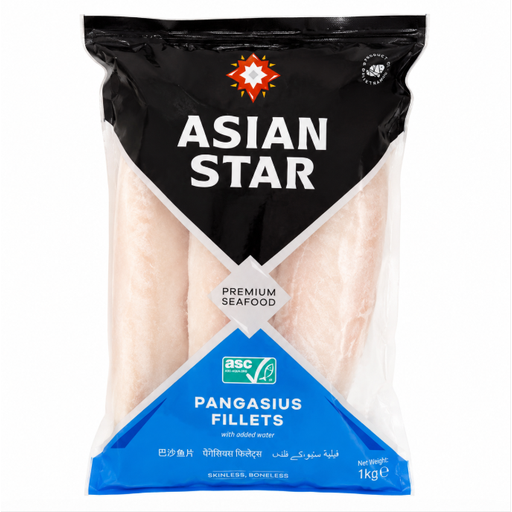 Image unavailable
A plain-fillet option if you want to add your own seasoning for the roast. The name states a 1kg pack and 800g net weight; check the pack’s cooking directions when planning the oven schedule.
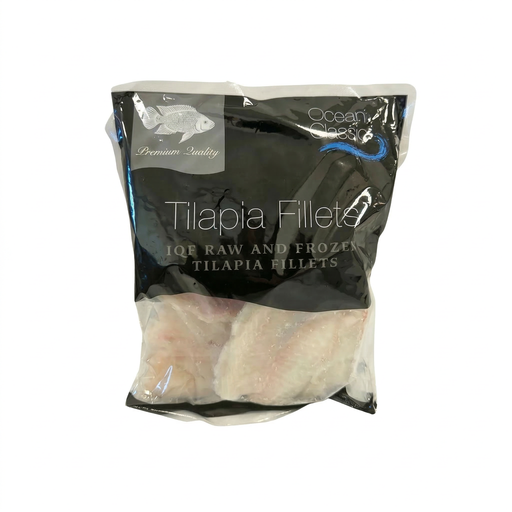 Image unavailable
These plain tilapia fillets leave the seasoning to you. The name states a 1kg pack and 800g net weight; allow for thawing as directed before cooking and check the pack’s oven instructions.
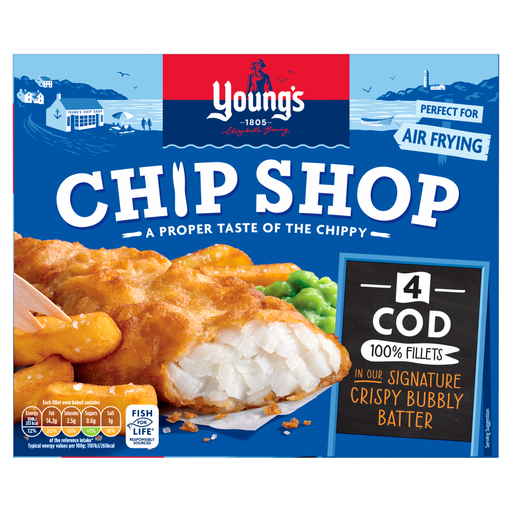 Image unavailable
A prepared cod option for a fish-centred roast; the pack contains four fillets and states 400g. Check its oven directions alongside the other dishes, and read the current allergen declaration for wheat, mustard and milk before serving.
Yes. Plain fillets can be served with roast potatoes, vegetables and a sauce, while leaving the seasoning to you. Check the product’s cooking directions and portion size before planning the meal.
Check the species, net contents, portion information and, for coated fish, the percentage that is fish. Batter or breadcrumbs are part of the finished product, so the same pack weight does not necessarily mean the same amount of fish.
Follow the directions for the exact product: some specify cooking from frozen, while others require thawing first. Check its oven temperature and timing rather than borrowing instructions from another pack.
Check the current pack for fish and any ingredients in the coating. Birds Eye’s battered pollock lists wheat, milk and mustard, but another product’s ingredients may differ.
Follow the storage instructions on the individual pack. Birds Eye’s battered fish directions say not to refreeze after defrosting, so do not assume the directions are the same across products.