Who is this choice for?
The useful starting point is the eater’s familiar textures, alongside the household’s preparation and ingredient requirements.
Families introducing fish to a selective child
A small serving in a familiar format gives the child a chance to encounter fish without making acceptance the goal of a single meal. The NHS advises continuing to offer unfamiliar foods without pressure.
Households planning freezer meals
Plain and coated fillets offer different textures. If cooking straight from frozen matters on a busy evening, choose an individual product whose instructions explicitly permit it.
Shoppers checking ingredients and allergens
Coating can introduce ingredients beyond fish. Read the exact pack for allergens and possible bone warnings, particularly when choosing a product for a child.
What should you check?
Decide which texture is approachable, then compare the exact packs for ingredients, portioning and preparation.
Plain fillets
Consider when: You want to serve fish without a coating and choose the seasoning or accompaniments yourself.
Bear in mind: The fish’s own flavour and texture are more noticeable, which may matter to an eater who prefers familiar crisp foods.
Coated fillets
Consider when: A breaded, battered or lightly dusted texture is closer to foods the eater already accepts.
Bear in mind: Coatings change the ingredient list; check the fish content and allergens on the particular pack.
| Priority |
What to check |
Your needs |
| Texture and presentation |
Compare plain, breaded, battered and lightly dusted formats. Check whether the pack contains separate fillets that you can serve in a small amount. |
A familiar coating might make fish easier to approach in our household; alternatively, I may want to introduce a little uncoated fish alongside familiar foods. |
| Fish and ingredients |
Read the fish species, fish percentage where stated, and full ingredient list. A coated product is not the same composition as a plain fillet. |
I want to know what is fish and what comes from the coating before deciding which format fits the meal. |
| Allergens and bones |
Check the current pack’s highlighted allergens, precautionary statements and bone warning. Birds Eye’s 4 Breaded Cod Fillets, for example, contain fish, wheat and mustard, may contain milk, and carry a warning that bones may remain. |
If ingredients or bones need particular attention in our household, the label on the exact product matters more than its general description as a fish fillet. |
| Fish variety |
Distinguish white fish from oily fish such as salmon. The NHS discusses oily fish separately in its guidance on fish within a balanced diet; check advice applicable to the person eating it. |
Salmon is an option if its flavour and texture are already acceptable; for an unfamiliar first serving, I may prefer to focus on a format the eater recognises. |
| Preparation |
Check whether the exact product permits cooking from frozen or requires thawing, then follow its storage and cooking directions. |
On a busy evening, I need to know whether I can cook the fillet straight from the freezer or must plan ahead to thaw it. |
Brand and range references
These ranges illustrate formats to compare; their individual packs, ingredients and instructions can differ.
Birds Eye
A reference for coated frozen fish, including its 4 Breaded Cod Fillets in Breadcrumbs.
- Birds Eye states that this product contains 54% cod and gives instructions for cooking from frozen.
- This particular breaded product contains wheat and mustard, may contain milk, and may still contain bones; check the current pack.
Young's
Its range spans natural fillets and coated formats, so the relevant choice is the individual product rather than the brand alone.
- Young's describes its Natural Fish Fillets range as suitable for cooking straight from frozen.
- Check species, ingredients, allergens and preparation directions on the particular pack.
Tesco
Tesco’s frozen coated-fish range provides examples of breaded, battered and lightly dusted formats.
- Its listed options include breaded cod and haddock fillets.
- A range listing does not establish the ingredients or allergens of every product; compare the exact label.
M&S
Its frozen-fish range includes fillets and lightly dusted options for comparing uncoated and coated presentations.
- M&S lists frozen fish options including cod, haddock, hake and salmon.
- Check the chosen product’s preparation directions, ingredients and local availability.
Frozen fish options on Joybuy
These products cover coated cod, plain white-fish fillets and salmon. Compare their texture and preparation requirements with foods the eater already accepts.
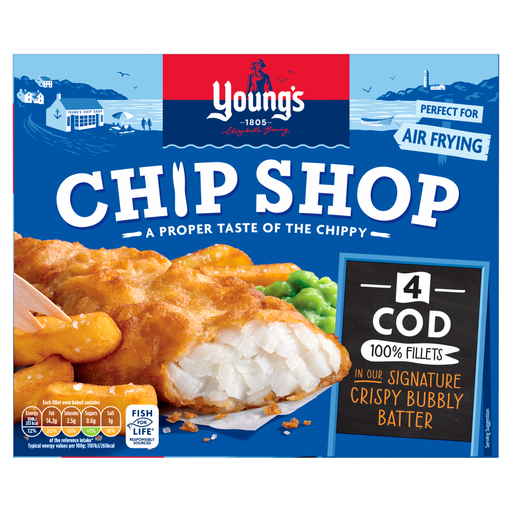 Image unavailable
Young's Chip Shop 4 Cod Fillets 400g
A coated cod option to consider if a familiar crisp texture helps the eater approach fish. The pack contains four fillets; check its current allergen and bone warnings, and follow its cooking directions before serving.
View on Joybuy
 Image unavailable
Ocean Classic Pangasius Skinless & Boneless IQF Fillets, 170/200g, 1kg Total (800g Net)
An uncoated option when you want to choose the seasoning and offer fish separately from other foods. The product information calls for thawing in the fridge before cooking and says not to refreeze after thawing; check the pack before serving.
View on Joybuy
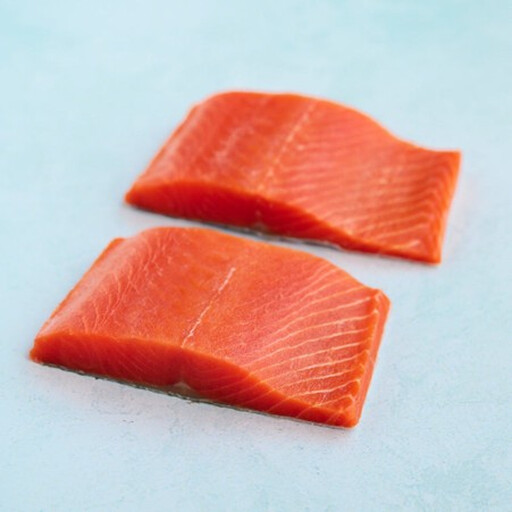 Image unavailable
The Fish Society Wild Sockeye Salmon Fillet Steaks 220g
Consider these salmon steaks if the eater already accepts salmon’s flavour and texture rather than as a substitute for mild white fish. The pack contains two steaks; its product information calls for thawing before cooking. Check the pack for allergens and possible bones.
View on Joybuy
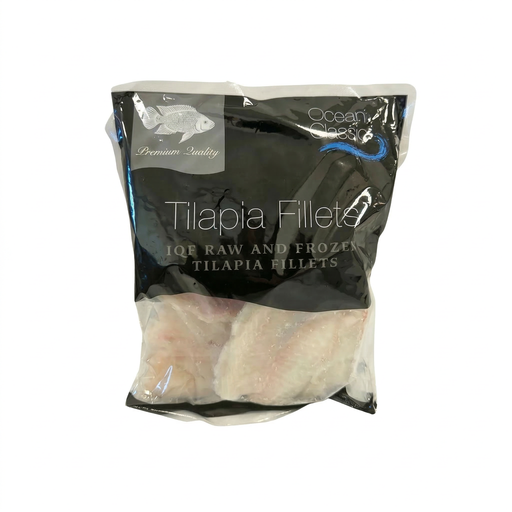 Image unavailable
Ocean Classic Tilapia IQF Fillets, 1kg Total (800g Net)
A plain white-fish option when you want to choose the accompanying flavours. Check the pack for the number and size of fillets if small separate servings matter. The product information calls for thawing before cooking and says not to refreeze once defrosted.
View on Joybuy
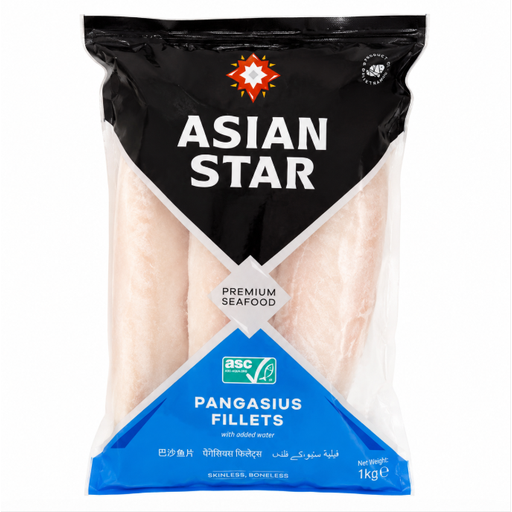 Image unavailable
Asian Star White Pangasius Fillet, 1kg Total (800g Net)
An uncoated fish option for meals where you want to choose the seasoning yourself. The product information lists salt among the ingredients and states 1g salt per 100g; check the current label, portion details and exact thawing and cooking directions.
View on Joybuy
Questions about choosing and serving fish
Should I choose plain or coated fish for a fussy eater?
Start with the texture closest to foods the eater already accepts. Plain fish lets you choose the seasoning and serve a little separately; coating may offer a more familiar texture but adds ingredients to check. The NHS advises offering unfamiliar foods again without pressure rather than forcing a first refusal.
Can I cook frozen fillets without thawing them?
Only when the exact product’s instructions permit it. Young's describes its Natural Fish Fillets range as suitable for cooking from frozen, while other fillets may require thawing. Follow the pack’s storage and cooking directions.
What should I check for allergens and bones?
Read the current ingredient, allergen and bone statements for the exact product. Birds Eye states that its 4 Breaded Cod Fillets contain fish, wheat and mustard, may contain milk, and may still contain bones; those details should not be assumed for other fillets.
Is a breaded fillet the same as a plain fillet?
No: coating changes the product’s ingredients, so compare the fish content and nutrition information on the packs rather than treating them as identical. The NHS also distinguishes white fish from oily fish such as salmon when discussing fish within a balanced diet.
When should I seek help with a child’s fussy eating?
Seek appropriate professional advice if eating is affecting the child’s health or growth, or if family stress is becoming a health concern, as Lewisham and Greenwich NHS Trust advises. Changing fish products is not a substitute for support in those circumstances.


