Detail-focused miniature instructors
If viewers need to follow small joins, surface textures and painted details, prioritise a light you can position and soften. Check how the intended modifier fits before making portability the deciding factor.


For a fixed home-studio lesson, choose a bi-colour COB light with a compatible modifier if you want to direct and soften the light around small details; choose a panel if a broad source placed close to the workbench better fits your space. If the kit must be packed away or moved regularly, consider compact or battery-powered options, but check their power arrangements, light output at your working distance and noise during narration.
If viewers need to follow small joins, surface textures and painted details, prioritise a light you can position and soften. Check how the intended modifier fits before making portability the deciding factor.
When the camera, workbench and microphone share limited space, a light that can sit close to the model and be repositioned without obstructing the lesson deserves attention.
If you clear the workbench after filming or sometimes work away from a mains socket, consider the size of the complete kit and the light’s actual power options, not just the size of its head.
Decide whether you need to shape a fixed key light or position a panel close to the miniature, then check colour control, recording noise and power against the way you film.
| Concern | What to check | Who this matters to |
|---|---|---|
| Soft, directional light | Check the intended modifier’s fit, whether it comes with the light and the stated output conditions. | If tiny joins disappear into hard shadows, I want a key light I can position and soften; around 36% of consumers put light shaping first. |
| Colour and exposure | Check the colour-temperature range and brightness measurement at a relevant distance; set the camera’s white balance deliberately. | When paint colours need to remain recognisable between steps, consistent lighting matters most; around 29% of consumers make colour and exposure their primary concern. |
| Space and recording noise | Check dimensions, cooling method and any noise figure’s distance and operating mode; test with your microphone position. | In a cramped recording room, I need the light to clear the camera rig without its fan intruding on narration; around 21% of consumers prioritise space and audio. |
| Pack-away use and power | Check whether the light has a battery, its runtime conditions and the power equipment required for your setup. | If I film occasionally and put everything away afterwards, quick setup and flexible power lead the choice for around 14% of consumers. |
A figure measured with a reflector or at a shorter distance does not describe the same setup as a bare light measured farther away. The amaran specifications, for example, distinguish bare-source and reflector readings for the 100x S and give P60c readings at multiple distances.
Compare measurements at similar distances, colour temperatures and modifier conditions, then check exposure with your intended diffusion fitted.
A concentrated COB source may need a compatible modifier to produce the softer light wanted over a small work area. Godox specifies Bowens-mount compatibility for the SL60IIBi, while amaran panels use their own softbox arrangement.
Before ordering, check the light, modifier, stand, mounting hardware, power arrangement and cable route as one working setup.
A suitable stand, modifier or mounting accessory may need to be obtained separately.
Compact size does not establish fan-free operation. The cited amaran and Zhiyun models use active cooling, and SmallRig states its RC 60B noise figure at a specified one-metre distance.
Make a narrated test recording at the brightness and microphone positions you intend to use; consider a lower-output mode only if it still lights the miniature adequately.
An input-voltage specification does not identify the plug, cable or power accessories in a particular package.
Check the exact supplied power equipment and product marking before use. GOV.UK’s electrical-equipment guidance for Great Britain does not establish the requirements for a purchase in Northern Ireland.
The 100x S COB and P60 panel range illustrate two different approaches to lighting a home workbench.
The SL60IIBi is a mains-powered bi-colour COB option for a modifier-based studio setup.
The RC 60B is a compact bi-colour COB option where battery power helps with a movable or pack-away setup.
The MOLUS G60 is a compact bi-colour COB option for a kit that must be stored or moved regularly.
These compact camera lights suit shoppers considering a close-positioned or pack-away light for a miniature workbench. For each one, check the light spread and exposure at your intended working distance before relying on it to illuminate the whole lesson.
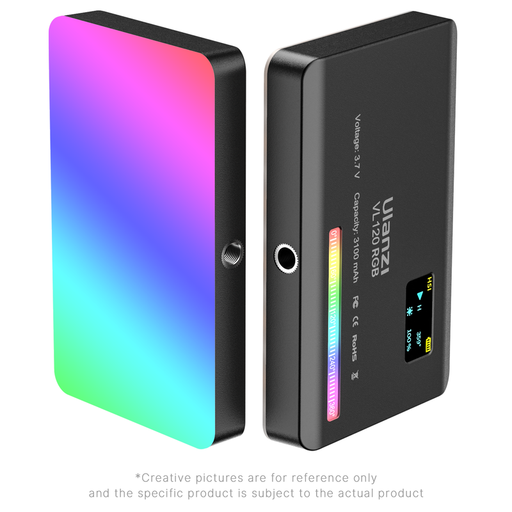 No image available
Consider this panel for a close-positioned setup where colour adjustment and battery power matter. Its listed range is 2500–9000 K, with CRI ≥95 and an integrated 3100 mAh battery.
Check its light spread and output at the workbench, plus the exact mounting and diffusion accessories in the package.
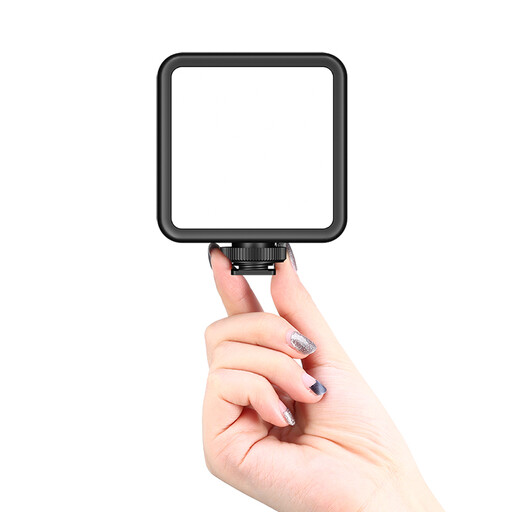 No image available
This compact light is a candidate for close-up shots or a kit that is put away after filming. Its listed features include dimming, a 2500–9500 K range, a 2000 mAh battery and a magnetic back.
Check whether its output and spread cover your miniature, and confirm the mounting and diffusion accessories supplied.
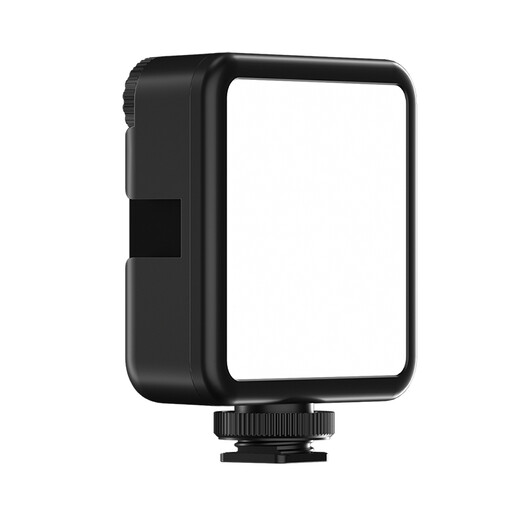 No image available
Consider this rechargeable light for camera-side placement or close product shots. The listing describes adjustable brightness and colour temperature, a cold-shoe mount and a 3000 mAh battery.
Confirm the colour-temperature range, exposure and diffusion at your intended position before using it as the main light for the work area.
Choose a COB light if you want to direct the key light through a compatible modifier; choose a panel if positioning a broad source close to the workbench is more useful. Godox specifies Bowens-mount modifier compatibility for the SL60IIBi, while amaran lists dedicated softbox support for its P60 panels. Check exposure with your intended diffusion and light-to-subject distance.
Yes, if you need to adjust the light around changing window or household lighting. The cited bi-colour models offer adjustable ranges, but that alone does not ensure consistent colour: set the camera’s white balance and control other light sources when matching painted details between shots.
It can, depending on the light’s operating mode and its position relative to the microphone. SmallRig states approximately 26 dB at 1 m for the RC 60B and approximately 23 dB at 1 m in Eco mode; make a narrated test recording in your room before filming a full lesson.
Check the precise listing for the supplied plug, cable, power accessories and product marking. GOV.UK’s Office for Product Safety & Standards guidance for Great Britain discusses recognition of certain goods meeting EU requirements, including CE marking; Northern Ireland has different arrangements, so apply the guidance for the location of your purchase rather than assuming one rule covers both.