
24/7 Customer Support

Free returns

Same-day & Next-day Delivery

Quality Guaranteed

Unlock Your Welcome Offers: FREE Delivery | Up to 80% OFF | Free 30-day JoyPlus trial
Download the APP
Buying a Coca-Cola cans multipack looks straightforward, but pack size, recipe, sweeteners and storage dates can make a significant difference to value and suitability. A small pack may work for occasional use, while a larger case can be more practical for family households, offices, parties and event catering.
This guide from the Joybuy Product Recommendation Officer explains what to check before buying Coca-Cola Original Taste cans, Diet Coke cans, Coca-Cola Zero Sugar cans and flavoured options such as Coca-Cola Cherry.
A listing may show “2 x 18 x 330ml”, which means two multipacks of 18 cans, giving 36 cans in total. Other listings may contain 8, 12, 18 or 24 cans. Always check both the number of packs and the size of each can rather than relying on the headline.
For comparison:
This calculation helps compare the true quantity when shopping for bulk Coca-Cola cans.
Coca-Cola Zero Sugar and Diet Coke are separate products with different ingredient lists and flavour profiles. The available Coca-Cola Zero Sugar cans use sweeteners including aspartame, acesulfame-K and, in some listings, steviol glycosides. Diet Coke cans use aspartame and acesulfame-K.
Both formats contain zero sugar in the supplied product information, but consumers should still read the can label, particularly if they need to avoid a specific sweetener or a source of phenylalanine.
Original Taste, Cherry, Diet Coke and Coca-Cola Zero Sugar products listed here contain caffeine unless specifically labelled caffeine-free. Diet Coke No Caffeine is a separate option.
A standard 330ml can is convenient for portion control, but its nutrition figures differ between recipes. For example, the listed Coca-Cola Original Taste products provide approximately 139–152 kcal and 35–38g of sugar per 330ml can, depending on the product listing. Check the current packaging before purchase, as formulations and labelling can change.
The familiar UK single-serve format is 330ml, suitable for lunch breaks, meals, home use and social occasions. Smaller 250ml cans may be more suitable where a lighter serving is preferred, while 18- and 24-can formats are more practical for regular consumption or hosting.
Consider storage space as well. A case of 24 cans takes more cupboard or fridge capacity than an 8-pack, while a 2 x 18 format may need to be split between shelves.
Choose the recipe according to your preferences:
If allergens or sweeteners matter to your household, check the ingredients and warnings printed on the delivered product. Several listed sugar-free products contain a source of phenylalanine.
Unopened cola cans should generally be kept in a cool, dry place away from direct sunlight. Cans should not be shaken, and damaged, leaking or severely dented packaging should not be used. Once opened, consume promptly to retain carbonation and flavour.
The best-before information is printed on the can or outer packaging. A best-before date relates primarily to quality, so inspect the packaging and follow the manufacturer’s instructions. Empty cans should be recycled through the appropriate local UK household recycling service where accepted.
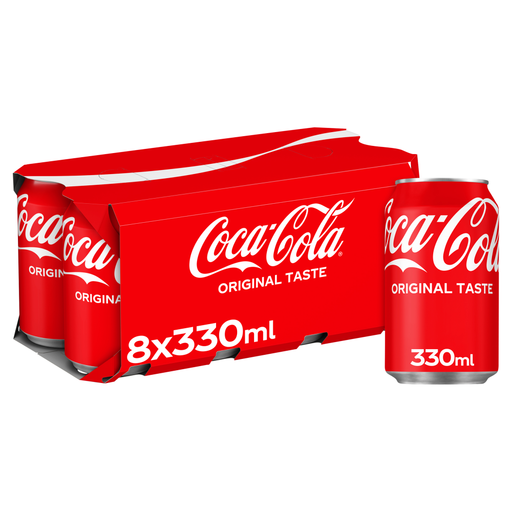
Why This Fits Their Persona: An 8-can format offers a manageable starting quantity for individuals, smaller households or occasional meals without committing to a large case.
The listing clearly states eight 330ml cans, reducing confusion between a single multipack and a larger multi-case order.
330ml single-serve cans; Original Taste recipe; suitable for vegetarians and vegans according to the supplied details.
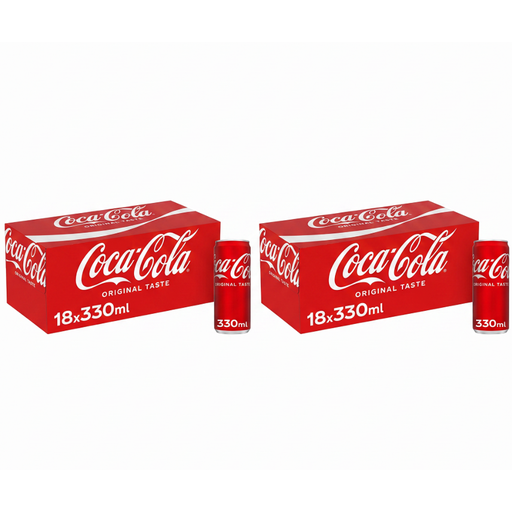
Why This Fits Their Persona: A 36-can total suits households that want a consistent supply for meals, guests and planned gatherings.
The total quantity is explicit: two 18-can multipacks, each containing 330ml cans. This makes storage and quantity planning easier.
36 cans in total; Original Taste; the supplied nutrition information states 42 kcal per 100ml.
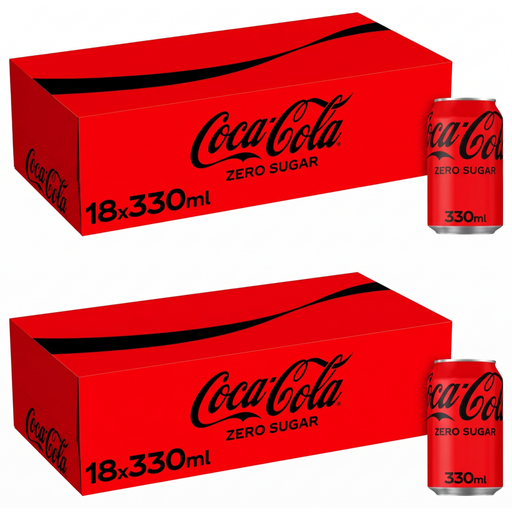
Why This Fits Their Persona: The larger 36-can format works for households, offices or hosts who specifically want a sugar-free cola option available for regular use.
It is identified as Coca-Cola Zero Sugar rather than Original Taste, helping shoppers distinguish a zero-sugar recipe from a sugar-containing cola.
36 x 330ml cans; zero sugar and approximately 1 kcal per 330ml can in the supplied information.

Why This Fits Their Persona: A 24-can case is suited to offices, event organisers and households that want a caffeine-free option for different times of day.
The product name directly identifies both the caffeine-free recipe and the 24-can quantity, avoiding assumptions based only on the word “Diet”.
24 x 330ml cans; zero sugar; caffeine-free according to the supplied product information.
We have compiled a complete, real-time list of products that fully satisfy these strict selection criteria and UK safety regulations.
Allow one 330ml can per guest as a simple starting point, then adjust for event length, food and other drinks. An 8- or 12-pack may suit a small gathering, while 18- or 24-can formats provide more flexibility. For larger events, compare total litres rather than pack names.
Check the best-before date printed on the can or outer packaging. Store unopened cans in a cool, dry place away from sunlight and avoid extreme temperatures. Do not use cans that are leaking, badly dented or otherwise damaged.
Not usually. The supplied Coca-Cola Zero Sugar and Diet Coke listings include caffeine or natural flavourings including caffeine. For a caffeine-free option, choose a product specifically labelled Diet Coke No Caffeine and confirm the ingredients on the packaging before consumption.