What should you check?
Start with the ingredient type named in the bread recipe, then check what a different chocolate product would add to the dough.
Cocoa powder
Choose when: The bread recipe calls for cocoa powder and measures its sugar separately.
Check: A cocoa-led ingredient list does not rule out milk or soya allergy warnings on the pack.
Drinking chocolate
Choose when: The recipe names drinking chocolate or you intend to make a sweeter chocolate loaf.
Trade-off: Added sugar means it cannot replace cocoa powder gram for gram without reconsidering the recipe.
Instant hot chocolate
Choose when: The recipe is written for an instant drink mix or you are adapting it deliberately.
Trade-off: Milk-derived ingredients, sweeteners or other additions can make the mix different from both cocoa powder and drinking chocolate.
| Priority |
What to check |
Your needs |
| Recipe fit |
Check whether the recipe specifies cocoa powder or a drink mix. Tesco and Sainsbury’s give baking directions for their cocoa powders; directions for a mug drink are not bread-substitution instructions. |
I’m following a recipe that weighs cocoa powder separately from the sugar, so I want to buy the ingredient it names. |
| Sweetness |
Read the ingredient list and, when shown, the sugars value per 100 g. Tesco lists cocoa powder and potassium carbonate for its baking cocoa; Tesco’s Cadbury Drinking Chocolate listing puts sugar before cocoa powder. |
For a sweeter loaf, I can consider a drink mix, but I need to account for its sugar alongside any sugar already in the recipe. |
| Other ingredients |
Check for milk-derived ingredients, sweeteners and other additions. Sainsbury’s lists whey permeate and sugar in Galaxy Instant, and milk permeate, sugar and sweeteners in Options Instant. |
I want to know what else a blend brings into the dough before changing a cocoa-powder recipe. |
| Allergens |
Read the current pack’s ingredients and precautionary wording. Tesco says its cocoa powder may contain milk and soya; Sainsbury’s gives a milk-and-soya allergy warning for its cocoa powder. |
When I’m baking for someone avoiding milk or soya, the individual pack’s wording matters more than whether the product is called cocoa or hot chocolate. |
Brand and product-line references
The distinction here is between the particular cocoa powders and drink mixes described below, not between brands as a whole.
Cadbury
Bournville Cocoa Powder and Cadbury Drinking Chocolate serve different recipe roles.
- Sainsbury’s describes Bournville Cocoa Powder as suitable for baking and lists cocoa powder with an acidity regulator.
- Tesco lists sugar before cocoa powder in Cadbury Drinking Chocolate; it is not an equal-weight substitute for baking cocoa.
Galaxy
Its drinking chocolate and instant hot chocolate are distinct sweetened drink mixes.
- Sainsbury’s lists sugar and fat-reduced cocoa powder in Galaxy Drinking Chocolate, giving bakers ingredients to consider when planning a deliberately sweet loaf.
- Galaxy Instant also lists milk-derived ingredients and coconut oil, so it should not be treated as plain baking cocoa.
Options
Options Instant Belgian Hot Chocolate is a prepared-drink route rather than a cocoa-powder equivalent.
- Sainsbury’s ingredient list specifies 21% fat-reduced cocoa powder in this blend.
- The same listing includes milk permeate, sugar, Belgian chocolate and sweeteners; account for the whole blend if adapting a bread recipe.
Tesco
Tesco Cocoa Powder is an own-brand option for a recipe that specifies cocoa powder.
- Tesco lists cocoa powder and potassium carbonate and directs bakers to follow their recipe.
- Its listing says the product may contain milk and soya.
Sainsbury’s
Sainsbury’s Cocoa Powder has separate directions for baking and making a drink.
- Sainsbury’s lists cocoa powder with acidity regulators and tells bakers to follow their recipe.
- Its listing says the powder is not suitable for customers with a milk or soya allergy because of its manufacturing methods.
M&S
M&S Cocoa Powder is a different ingredient from an instant hot-chocolate blend.
- Marks & Spencer lists Fairtrade cocoa powder and acidity regulator E501 for its cocoa product.
- The M&S cocoa listing says it is not suitable for those with a milk allergy.
Joybuy drinking-chocolate options
These products are sweetened drinking-chocolate and instant-drink options for a loaf deliberately made with a drink mix. For a bread recipe that specifies cocoa powder, choose a suitable cocoa powder instead of treating any of these mixes as a direct substitute.
 No image available
Cadbury Drinking Chocolate 500g
For a loaf deliberately using sweetened drinking chocolate, account for the mix alongside the recipe’s separate sugar. Its drink preparation uses hot milk; do not treat the powder as an equal-weight replacement for baking cocoa, and check the current pack’s milk warning.
View on Joybuy
 No image available
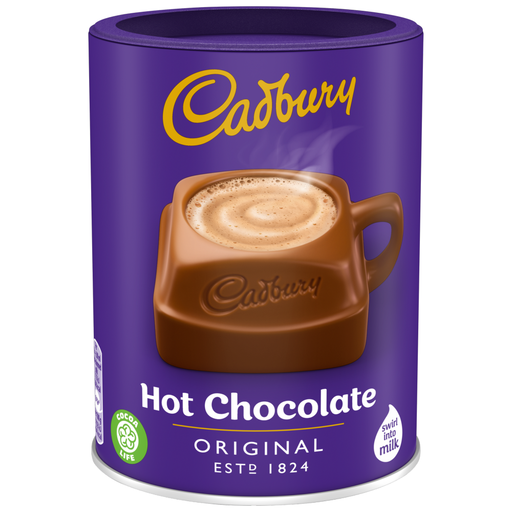
Cadbury’s Drinking Chocolate 250 g
Consider this smaller pack if the bread recipe calls for a sweetened drink mix or you intend to adapt it for one. The product’s preparation is for a drink with hot milk, not a bread recipe; check the current pack and work out the recipe adjustment rather than swapping it gram for gram with cocoa powder.
View on Joybuy
 No image available
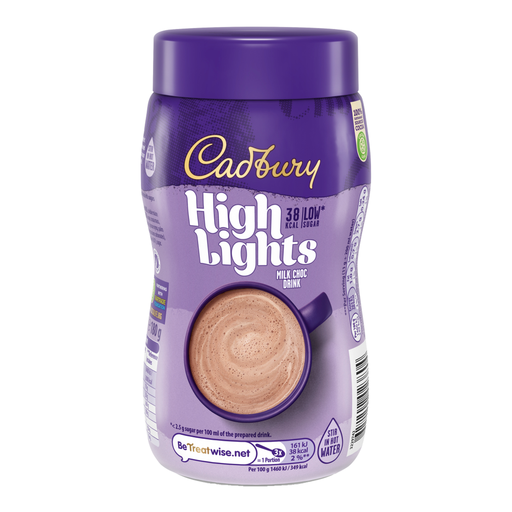
Cadbury Highlights Milk Chocolate Drink 180g
This instant drink is an option only for a loaf intentionally adapted to use a drink mix. It has milk ingredients and sweeteners in addition to cocoa, so check the whole formulation before changing the recipe’s sugar or liquid; it is not a direct cocoa-powder substitute.
View on Joybuy
 No image available
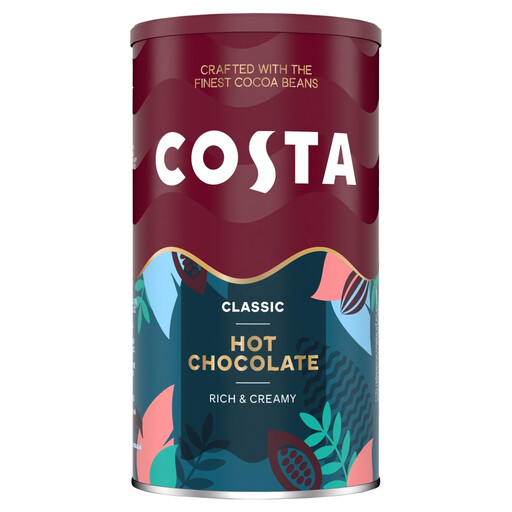
Costa Hot Chocolate 300g
For a deliberately sweet chocolate loaf, check how this drink mix fits the recipe’s separate sugar and liquid. It contains added drink-mix ingredients, so its powder should not be used as an equal-weight cocoa-powder replacement.
View on Joybuy
 No image available
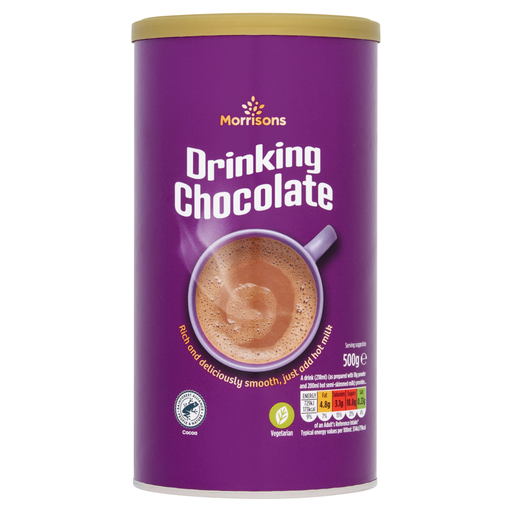
Morrisons Drinking Chocolate 500g
Consider this for a loaf intentionally using sweetened drinking chocolate, rather than one that specifies baking cocoa. Account for the mix’s added ingredients when adapting the recipe, and check the current pack before using it for anyone with an allergen restriction.
View on Joybuy
Questions about baking with chocolate drinks
Can drinking chocolate replace cocoa powder in bread dough?
Not gram for gram in a recipe written for cocoa powder. Tesco’s Cadbury Drinking Chocolate listing puts sugar before cocoa powder, while Sainsbury’s lists sugar first in Galaxy Drinking Chocolate too. Use a drink mix only if the recipe calls for it or you deliberately adjust the dough’s other ingredients; a small test loaf can help you assess the result.
Does an instant hot chocolate mix work like baking cocoa?
No. Sainsbury’s ingredient lists for Galaxy Instant and Options Instant include milk-derived ingredients and sugar alongside cocoa powder, with further ingredients differing between the mixes. If your bread recipe specifies cocoa powder, use that ingredient unless you intend to reformulate the recipe around a drink mix.
Does a lower-calorie drink mix make a straightforward baking substitute?
No; a drink label does not make the mix equivalent to cocoa powder or tell you how to substitute it in bread. Check the complete ingredients, including milk-derived ingredients and sweeteners, and use the mix only in a recipe that calls for it or one you are deliberately adapting.
What allergen wording should I check before baking?
Read both the ingredients and precautionary statements on the current pack for the allergens relevant to the people eating the bread. Tesco says its cocoa powder may contain milk and soya, and Marks & Spencer says its cocoa powder is not suitable for those with a milk allergy; the word ‘cocoa’ alone does not settle that question.


