Bakers following a cocoa-powder recipe
Buy cocoa powder when the recipe lists it separately from sugar. Cadbury markets Bournville Cocoa for cakes and cookies, while M&S presents its Cocoa Powder for baking as well as drinks.


Choose cocoa powder when a cake recipe specifies cocoa; choose drinking-chocolate powder when the recipe is written for that sweetened ingredient. Dark drinking chocolate has a different formulation again, so none of the three should be swapped gram for gram without recipe guidance. If your shopping note says ‘6 pint’, establish whether that means prepared drink, cake yield or a pack requirement before deciding how much powder to buy.
The ingredient named in the recipe is the starting point: cocoa powder and sweetened drink powders bring different amounts of sugar into a cake.
Buy cocoa powder when the recipe lists it separately from sugar. Cadbury markets Bournville Cocoa for cakes and cookies, while M&S presents its Cocoa Powder for baking as well as drinks.
Use the type of powder the recipe calls for rather than assuming plain cocoa will behave the same way. Good Housekeeping UK’s hot-chocolate traybake specifies 100g of hot-chocolate powder alongside separate sugar and liquid quantities.
Compare the recipe’s required weight with the pack weight and how often you expect to bake. For a cupboard pack, also check the current best-before date, storage directions and allergen statement.
Match the recipe’s ingredient first, then compare formulations and pack weights. A quantity described only as ‘6 pint’ cannot tell you how many grams of powder the cake requires.
| Priority | What to check | Your needs |
|---|---|---|
| Recipe ingredient | Check whether the recipe specifies cocoa powder, hot-chocolate powder or chocolate. Keep its stated weight and other ingredient quantities together when assessing a substitution. | If my recipe calls for cocoa powder, I want cocoa powder rather than an untested drink-mix swap. For a hot-chocolate cake, I’ll look for the powder type the recipe names. |
| Sugar and formulation | Compare ingredients and sugars per 100g on the exact packs. Tesco Groceries lists 73g sugars per 100g for Cadbury Drinking Chocolate 2kg; M&S lists 2.3g per 100g for its Cocoa Powder. | I’d like to know how much sweetness the chocolate ingredient brings when the recipe already specifies sugar. |
| Dark chocolate | Check for cocoa butter, cocoa mass and sugar, not just a cocoa-solids percentage. M&S lists those ingredients and 43.3g fat per 100g for its 72% Dark Drinking Chocolate. | If I’m making a cake designed for dark chocolate, I’ll use the form it specifies rather than treating a 72% drinking chocolate as dry cocoa. |
| Pack and label | Compare net weight in grams with the recipe amount. Check the current pack’s allergen statement, best-before date and storage directions. | A larger pack makes sense for me only if I can use and store it as directed. I need to clarify what ‘6 pint’ refers to before choosing a quantity. |
The two products can contribute very different amounts of sugar. Tesco Groceries lists 73g sugars per 100g for Cadbury Drinking Chocolate 2kg, whereas M&S lists 2.3g per 100g for its Cocoa Powder.
Follow the ingredient format in the recipe, or use a substitution specifically tested for that cake.
M&S lists cocoa butter, cocoa mass and sugar in its 72% Dark Drinking Chocolate, with 43.3g fat per 100g. A cocoa-solids percentage alone does not make it a cocoa-powder substitute.
Use it where a recipe calls for that form of chocolate, rather than replacing the stated cocoa weight automatically.
A pack may be unsuitable for someone eating the cake because of its allergen information, and its storage directions matter if it will stay in the cupboard between bakes.
Check the exact pack before use. Tesco Groceries’ Cadbury Drinking Chocolate 2kg listing carries a may-contain-milk warning and directs shoppers to store it dry and protected from heat.
These examples show why the precise product matters more than the brand name: ranges can include baking cocoa and several kinds of drink mix.
Cadbury presents Bournville Cocoa for baking and drinking; its Drinking Chocolate is a separate sugar-and-cocoa mix.
Its Cocoa Powder and 72% Dark Drinking Chocolate are different ingredients for different recipes.
Tesco Groceries lists several Galaxy instant hot-chocolate variants, including Light, Frothy and Vegan products.
Tesco Groceries lists flavoured Options hot-chocolate mixes, including salted caramel.
Tesco Groceries lists own-label instant hot chocolate alongside cocoa powder and branded drinking chocolates.
These Joybuy options are chocolate drink powders to consider when a cake recipe calls for that form of ingredient. Check the recipe before choosing one; the pack weights below do not establish a ‘6 pint’ requirement.
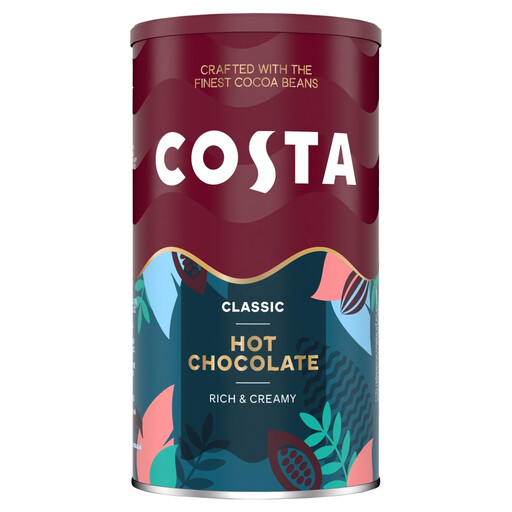 No image available
A 300g hot-chocolate pack to consider if your cake recipe calls for drink powder. Do not assume it replaces cocoa powder; check the current pack before use.
 No image available
A 500g drinking-chocolate pack for a recipe specifying sweetened drink powder. Check the exact pack’s sugar information and allergen statement; it is not the 2kg Cadbury pack discussed above.
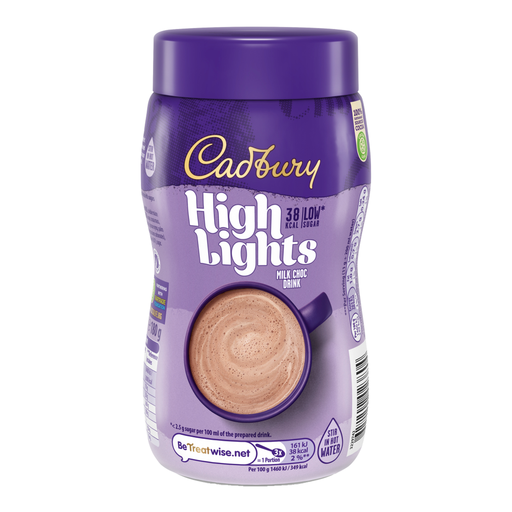 No image available
This 180g chocolate drink mix needs a recipe that accommodates its particular formulation; do not use it automatically in place of cocoa powder or another drink mix. Check the pack’s milk information before use.
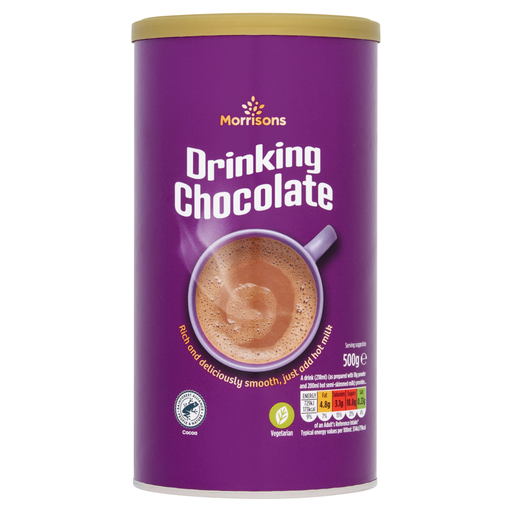 No image available
A 500g drinking-chocolate pack for a recipe that specifies this type of powder, not an assumed cocoa-powder replacement. Check the current nutrition panel on the pack if comparing sugar quantities.
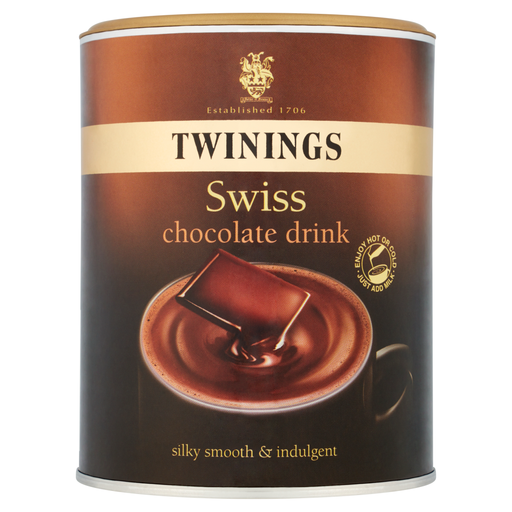 No image available
This 350g chocolate drink pack is relevant when a recipe calls for a sweetened drink powder. Check the recipe and the pack’s ingredients and allergen statement before using it.
Use drinking chocolate when the recipe calls for hot-chocolate or drinking-chocolate powder; do not assume it replaces cocoa powder in a recipe written for cocoa. Good Housekeeping UK’s hot-chocolate traybake, for example, specifies 100g of hot-chocolate powder alongside its own sugar and liquid quantities.
Choose cocoa powder when the recipe specifies cocoa and adds sugar separately. For an indication of why the distinction matters, M&S lists 2.3g sugars per 100g for its Cocoa Powder, while Tesco Groceries lists 73g per 100g for Cadbury Drinking Chocolate 2kg; those figures apply to those specific products.
No. M&S lists cocoa butter, cocoa mass and sugar in its 72% Dark Drinking Chocolate, as well as 43.3g fat per 100g. Use the form of chocolate specified by the cake recipe rather than treating the cocoa-solids percentage as a substitution instruction.
Read the exact pack’s ingredient and allergen information before use. Tesco Groceries lists Cadbury Drinking Chocolate 2kg as possibly containing milk; M&S marks its Cocoa Powder and 72% Dark Drinking Chocolate as unsuitable for people with a milk allergy, and the dark drinking chocolate as unsuitable for people with a soya allergy.
Follow the directions on the pack you buy. Tesco Groceries’ Cadbury Drinking Chocolate 2kg listing says to store it in a dry place and protect it from heat; check the current best-before date when planning several bakes.