
24/7 Customer Support

Free returns

Same-day & Next-day Delivery

Quality Guaranteed

Unlock Your Welcome Offers: FREE Delivery | Up to 80% OFF | Free 30-day JoyPlus trial
Download the APP
From creamy ice creams to chewy mochi, the world of coconut desserts offers a delightful escape. However, navigating the online marketplace can be tricky. Many products promise an authentic tropical experience but fall short, leaving you with a disappointing purchase. As the Joybuy Product Recommendation Officer, my role is to help you see past the marketing and choose a dessert that truly delivers on flavour and quality.
Before you add that tempting treat to your basket, let's look at some common pitfalls that UK shoppers encounter.
coconut ice cream should be creamy, not icy; coconut mochi should be soft and chewy, not tough; and the rice in mango sticky rice should be tender, not mushy. A product that fails on texture is a waste of money.vegan coconut desserts or with lactose intolerance, this can be a frustrating and unexpected issue.To avoid these traps, focus on a few key details that indicate a product's true quality.
The ingredients list is your most reliable tool. Look for coconut milk, coconut cream or coconut powder to be listed high up, ideally as one of the first three ingredients. In the UK, the QUID (Quantitative Ingredient Declaration) is often provided, which tells you the exact percentage of key ingredients. A higher percentage of coconut is generally a good sign. Be wary of products where "flavouring" appears before the actual coconut ingredient.
Not all coconut desserts are created equal. Knowing what to expect from each type will help you find your perfect match:
Coconut mochi can be filled with ice cream, paste or cream, offering a delightful textural contrast.mango sticky rice, combines steamed glutinous rice with sweet coconut milk. The quality lies in the balance of the sweet, salty cream and the perfectly cooked, tender rice.Nata de coco is a chewy, jelly-like substance made from fermented coconut water. It adds a unique, firm bite to puddings, drinks and fruit salads. It is often found in ready-to-eat dessert cups.To make your choice easier, here are a few options from our catalogue, matched to different preferences and lifestyles.
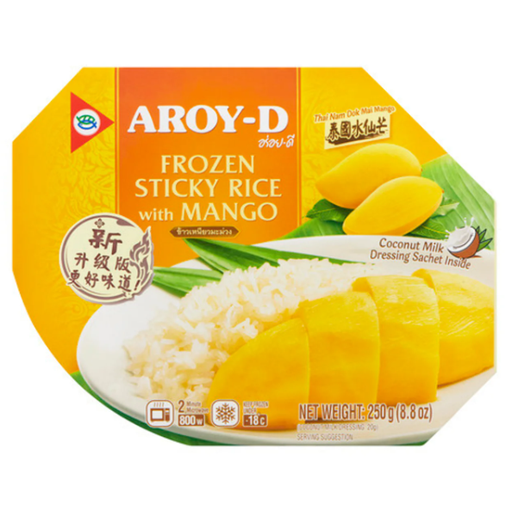
Why This Fits Their Persona: For those who crave the genuine taste of Thailand's most famous dessert without leaving home. This frozen format preserves the distinct flavours of sweet mango and rich coconut cream, offering a restaurant-quality experience with minimal effort.
It sidesteps the "authenticity illusion" by using high percentages of real ingredients: 33% Namdokmai Mango, 26% Sticky Rice and 15% Coconut Cream. It is also vegan-friendly, avoiding the hidden dairy pitfall.
Conveniently brings a classic mango sticky rice dessert to your freezer. Simply thaw and serve for an indulgent treat.

Why This Fits Their Persona: Perfect for someone who wants a quick, refreshing dessert without any preparation. This ready-to-eat treat can be enjoyed straight from the can or used as a versatile topping for yoghurt or ice cream.
This product avoids texture disappointment by focusing on the firm, chewy bite of nata de coco (14%). It delivers a specific and satisfying texture that is central to this type of Asian coconut dessert.
Ready to eat with a long shelf life, making it a convenient pantry staple. The mix of pineapple, white fungus and dates adds complexity.
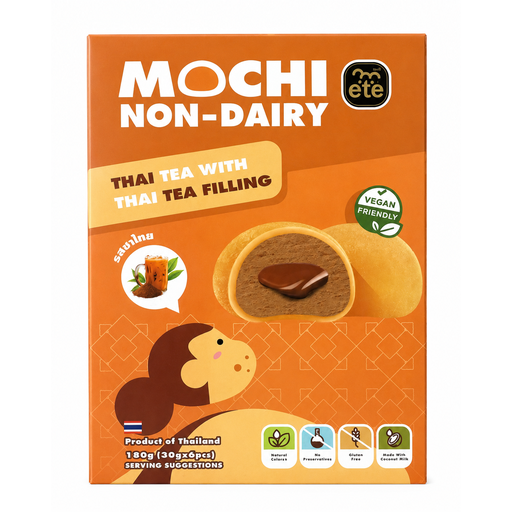
Why This Fits Their Persona: Ideal for those who love novel frozen desserts and unique flavour combinations. This combines the chewy texture of mochi with a creamy, dairy-free Thai tea and coconut milk ice cream filling, offering a sophisticated and modern treat.
This vegan coconut dessert explicitly avoids the hidden dairy trap by using a coconut milk base. The soft, pillowy glutinous rice dough ensures the classic chewy mochi texture is done right, avoiding disappointment.
A dairy-free and vegan-friendly option that delivers a unique combination of Thai tea flavour and the satisfying chew of coconut mochi.
We have compiled a complete, real-time list of products that fully satisfy these strict selection criteria and UK safety regulations.
1. Are all Asian coconut desserts vegan? Not necessarily. While many traditional recipes are naturally plant-based, modern, commercially produced versions often include dairy. Ingredients like whole milk powder, cream or sodium caseinate (from milk) can be added to coconut ice cream or mochi fillings for a creamier texture. Always check the allergen information for a "Contains: Milk" warning or look for a "vegan-friendly" certification.
2. What exactly is nata de coco?Nata de coco is a chewy, translucent food made by fermenting coconut water. It is not a fruit but a cellulose gel with a firm, pleasant bite. It's low in fat and high in dietary fibre, making it a popular ingredient in many lighter Asian coconut desserts, puddings and bubble teas.
3. How should I store frozen coconut desserts? For products like frozen mango sticky rice or coconut mochi, proper storage is key to maintaining quality. They must be kept in a freezer at -18°C or below. Once a product is thawed, it should be consumed promptly and should not be refrozen, as this will ruin the texture. For mochi ice cream, allowing it to sit at room temperature for a minute or two before eating can soften the outer dough for a better experience.