Hosts making a roast sauce or dessert
If coconut milk needs to contribute to a gravy, sauce, soup or dessert, compare products intended for cooking rather than choosing by carton size alone.


Choose culinary coconut milk when the roast menu calls for a coconut-based gravy, sauce or dessert; choose a coconut drink when you need something to pour for guests or use in everyday drinks. Check the exact label for allergens, sweetness and storage instructions. Six UK pints are approximately 3.41 litres, so four 1L cartons exceed that target; buy cooking milk according to the recipe quantity instead.
If coconut milk needs to contribute to a gravy, sauce, soup or dessert, compare products intended for cooking rather than choosing by carton size alone.
For coconut drink at the table and afterwards, work out the serving volume before buying multiple cartons. Sweetness, added nutrients and instructions after opening vary by product.
Check the current ingredients and allergen statement for the exact product. A vegan description does not establish suitability for every allergy.
Decide what the coconut product is for, then calculate the quantity and check the label details that matter to the people you are serving.
| Priority | What to check | Your needs |
|---|---|---|
| Cooking or pouring | Check whether the label describes a cooking milk or a drink. Marks & Spencer lists 60% coconut extract and 17.3g fat per 100g for its cooking milk; Koko Dairy Free lists 25% coconut extract and 17.4g fat per 100ml for Koko Cuisine. Compare figures on their stated bases. | If coconut is part of my roast sauce or dessert, I need a cooking ingredient. If it is for guests to drink, I need a product intended for pouring. |
| Quantity | Six UK pints equal approximately 3.41 litres, using the pint definition published by legislation.gov.uk. Three 1L cartons fall short; four provide 4L. For cooking milk, start with the amount in the recipe. | I want enough for the meal without opening more packs than I can use afterwards. |
| Drink label | Check whether the drink is sweetened and read its nutrition panel. Koko Dairy Free and Alpro UK each list 120mg calcium per 100ml for their cited drinks; Tesco and Sainsbury’s also describe their cited drinks as fortified. | If I am buying cartons for regular pouring as well as Sunday lunch, sweetness and the exact nutrition information matter to me. |
| Allergens and use | Read the current allergen statement, opened-pack instructions and any directions for hot drinks. Marks & Spencer states that its Creamy Coconut Drink is not suitable for people with a milk allergy. | Before serving a guest with an allergy, I need to check their exact product rather than rely on a vegan description. |
The cited cooking milks from Marks & Spencer and Koko Dairy Free list around 17g fat per 100g or 100ml, while the cited Alpro Coconut Original drink lists 0.9g per 100ml. They are different starting ingredients for a sauce.
For gravy or a coconut-based dessert, check that the product is intended for cooking and compare its label with what the recipe calls for.
Three 1L cartons do not reach six UK pints: that target is approximately 3.41 litres, using the pint definition published by legislation.gov.uk.
Calculate the volume needed for serving before choosing a pack combination. If buying four 1L cartons, plan when to open and use the extra volume.
Opening more cartons than the meal requires leaves more to store and use within each pack’s instructions.
Marks & Spencer describes its Creamy Coconut Drink as unsuitable for people with a milk allergy. A product’s plant-based positioning does not replace its specific allergen statement.
Check the current pack before buying or serving coconut products to someone with an allergy.
These brand and retailer examples illustrate label differences between cooking milk and coconut drink; check the exact product rather than applying one line’s details to another.
Marks & Spencer lists a cooking Coconut Milk and a separate Creamy Coconut Drink.
Koko Dairy Free distinguishes Koko Cuisine Coconut Milk from Koko Original Like Milk for drinking.
Alpro Coconut Original is a coconut drink for pouring, not the same product type as culinary coconut milk.
Tesco Long Life Coconut Original is a 1L sweetened coconut drink.
Sainsbury’s Sweetened Long Life Coconut Drink is a 1L carton for the drink side of this choice.
These options include coconut milk packs to consider for roast recipes and a multi-carton product to assess for serving guests. Choose quantities according to the recipe or the volume you intend to pour.
 No image available
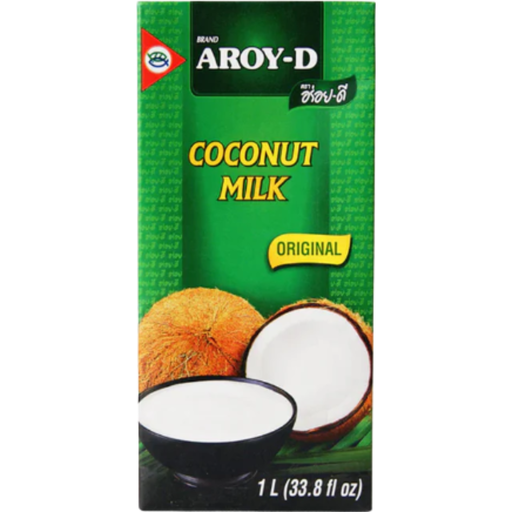
For a roast recipe calling for coconut milk, compare its required quantity with this 1L carton. One carton is less than the approximately 3.41L six-pint target, which need not be the amount required for cooking.
 No image available
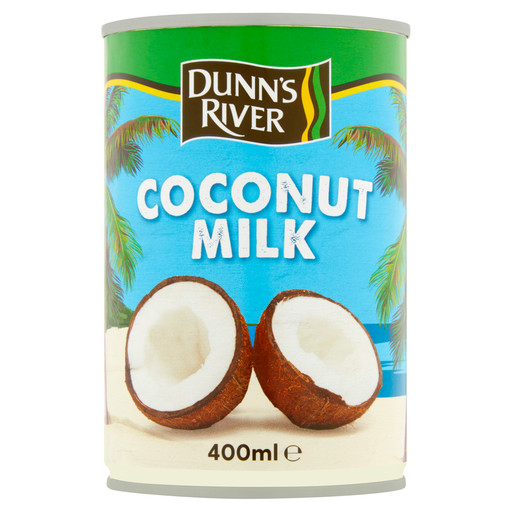
If a roast sauce or dessert calls for coconut milk, use the recipe quantity to decide how many 400ml packs you need. Check the current allergen statement before serving guests.
 No image available
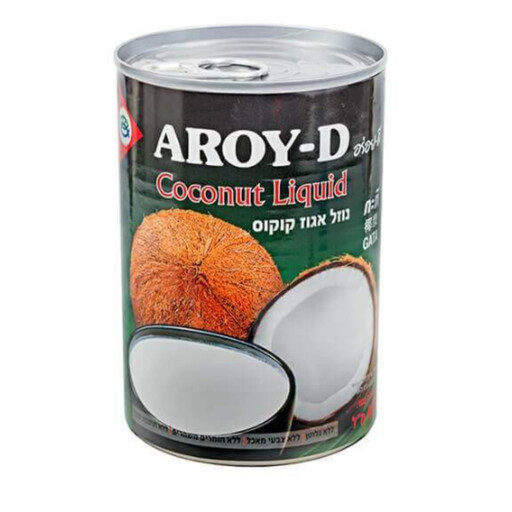
For a recipe requiring coconut milk, this 400ml product is labelled 17% fat. Check the recipe quantity and the pack’s allergen and storage instructions before use.
 No image available
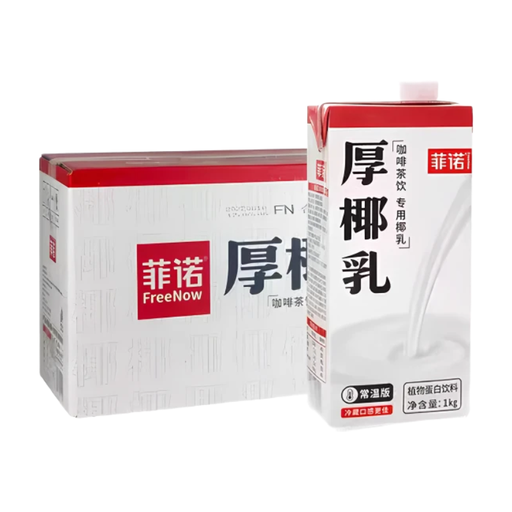
For individual servings alongside a roast, check the pack’s directions to confirm how this product is intended to be used. Its title gives 200 g × 24 cartons; check the stated volume rather than treating that weight as a litre quantity for a six-pint plan.
No: choose by the product’s intended use and the recipe. Marks & Spencer lists 17.3g fat per 100g for its cooking Coconut Milk, while Alpro UK lists 0.9g per 100ml for Coconut Original drink; those figures describe different products and measurement bases.
Six UK pints are approximately 3.41L, using the pint definition published by legislation.gov.uk. Three 1L cartons fall short and four provide 4L, so plan a use for the extra drink before opening it.
Follow the storage and use-after-opening instructions on each exact pack. Work out what the roast requires first, then leave any packs you do not need unopened.
Not necessarily. Marks & Spencer states that its Creamy Coconut Drink is unsuitable for people with a milk allergy, so check the current allergen statement of any product before serving it to a guest.
Check whether it is sweetened, along with the exact nutrition panel and allergen information. For example, Koko Dairy Free and Alpro UK each list 120mg calcium per 100ml for their cited drinks, but that figure should not be assumed for other coconut products.