Choose a pourable coconut drink for cereal, smoothies or snack baking, and tinned coconut milk when a recipe calls for a richer cooking ingredient. If the drink is replacing dairy for a child who cannot have cow’s milk, Kingston and Richmond NHS Foundation Trust advises choosing a dairy substitute fortified with calcium and iodine. Four UK pints are about 2.27 litres, not four 1-litre cartons, so check the amount your recipes require before choosing packs.
Who is choosing?
Parents making dairy-free holiday snacks
A pourable coconut drink may fit cereal, smoothies or baking. If it replaces dairy for a child who cannot have cow’s milk, check the exact pack for calcium and iodine fortification, as advised by Kingston and Richmond NHS Foundation Trust.
Families choosing ingredients for sweet snacks
If fruit or other ingredients already add sweetness, check whether the particular coconut drink contains added sugar or sweeteners. Alpro describes its Coconut No Sugars variant as containing neither.
Home cooks making coconut desserts
When a recipe calls for tinned coconut milk rather than a drink to pour over cereal, choose the cooking format. Waitrose lists 400 ml coconut milk products for dishes including desserts, soups and curries.
What should you check?
Start with the recipe and the total volume you need; then check the exact product’s nutrition and allergen label if a child will have it.
| Priority | What to check | Your needs |
|---|
| Dairy replacement |
For a child who cannot consume dairy, check the drink’s calcium and iodine fortification. NHS North West Knowledge Now notes that plant drinks vary in energy, protein and micronutrients compared with animal milks. |
I’m choosing a drink to replace dairy in a child’s snacks, not just an ingredient with a coconut flavour. |
| Added sweetness |
Read the claim on the exact variant and check its ingredient and nutrition information. Alpro says its Coconut No Sugars drink has no added sugars or sweeteners; that claim alone does not establish its fortification. |
If the snack already contains sweet ingredients, I’d rather check what the drink adds before choosing it. |
| Recipe format |
Distinguish a pourable coconut drink from tinned coconut milk intended for cooking. Tesco lists 1-litre drinks, while Waitrose lists 400 ml coconut milk products for recipes including desserts. |
For cereal or a drinkable smoothie, I want a pourable carton. For a dessert recipe calling for tinned coconut milk, I need the cooking ingredient. |
| Pack amount |
Four UK pints are about 2.27 litres. Compare that volume with the units on the packs; do not treat four 1-litre cartons as four pints or convert a 400 g tin into litres without product-specific information. |
I want enough for the planned snacks without confusing a pint quantity with the number of cartons or tins. |
| Allergens |
Read the current ingredient and allergen statements for the exact product. For diagnosed cow’s milk protein allergy, follow the child’s clinical dietary advice rather than relying on a general plant-based claim. |
A child’s food allergy means I need to check the pack being served, including any precautionary allergen wording. |
Common buying mistakes
-
Picking coconut drink when the recipe calls for tinned milk
These are different product formats: Tesco lists pourable 1-litre coconut drinks, while Waitrose lists 400 ml coconut milk products for cooking and desserts.
Check the recipe wording before buying. Start with a drink for cereal or pouring, and tinned coconut milk when the recipe specifies that ingredient.
-
Using a no-added-sugar claim as the whole nutrition check
A sweetness claim does not tell you whether a drink has calcium or iodine fortification. NHS guidance notes that plant drinks differ in energy, protein and micronutrients.
Check the exact carton’s nutrition and ingredient label as well as its added-sugar claim. Follow relevant clinical advice if a child must avoid dairy.
-
Buying four cartons to meet a four-pint plan
Four 1-litre cartons provide 4 litres, whereas four UK pints are about 2.27 litres.
Add up the volumes needed for your recipes, then compare that total with the pack sizes before deciding how many to buy.
-
Assuming plant-based means suitable for every allergy
Children managing cow’s milk protein allergy need decisions based on their dietary plan and the product’s current allergen information, not a general description on the front of a pack.
Read the ingredients and allergen statement each time you choose a product, and seek clinical guidance for a diagnosed allergy or suspected symptoms.
Brand and retailer references
These examples show how coconut-drink variants and cooking products differ; check the current pack for the details that matter to your recipe and household.
Alpro
Alpro lists Coconut Original, Coconut No Sugars and Coconut Barista as distinct drink variants.
- Alpro describes Coconut No Sugars as having no added sugars or sweeteners.
- The Barista variant is presented for foaming in coffee; check the exact variant’s fortification and allergen label for a child’s snack.
Koko
Tesco lists Koko Dairy Free Unsweetened Alternative Longlife Drink 1L among its coconut drinks.
- The listed variant identifies an unsweetened, long-life drink format.
- Check the exact pack’s fortification and allergen statement before using it as a child’s dairy replacement.
Tesco
Tesco lists own-label 1-litre coconut drink variants alongside branded drinks.
- Its listings distinguish Long Life Coconut Original from Sweetened Coconut Drink.
- Check which variant the recipe and household need rather than treating the two names as interchangeable.
M&S
Marks & Spencer describes its 1-litre Creamy Coconut Drink as enriched with calcium, iodine, vitamin B12 and vitamin D.
- The stated calcium and iodine enrichment is relevant when checking a drink intended to replace dairy for a child who cannot consume it.
- Check the current pack against the child’s allergens and individual dietary plan.
Waitrose
Waitrose lists both 400 ml coconut milk products for cooking and separate long-life coconut drinks.
- Its listings help distinguish a recipe ingredient from a pourable drink by product and format.
- Nutrition, ingredients and allergens must be checked for the particular product selected.
Tinned coconut milk on Joybuy
These tins are options for snack recipes that call for coconut milk as a cooking ingredient, such as desserts. They are not presented as pourable, fortified dairy-replacement drinks; check each pack and the quantity your recipes require.
 No image available
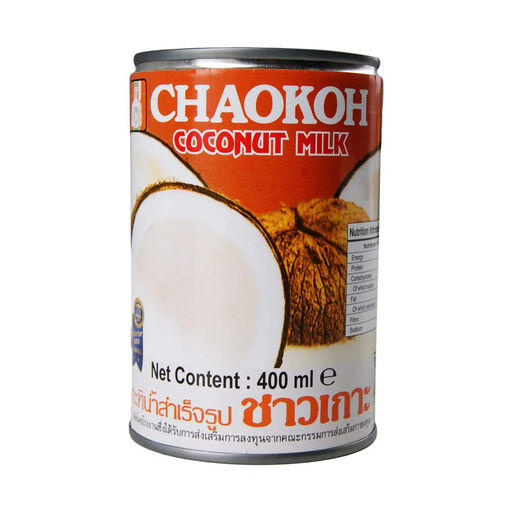
Chaokoh Coconut Milk Tinned 400ml
An option for desserts or other recipes calling for tinned coconut milk, rather than a pourable drink for cereal. Check the current pack’s ingredients and allergens before serving it to a child.
View on Joybuy
 No image available
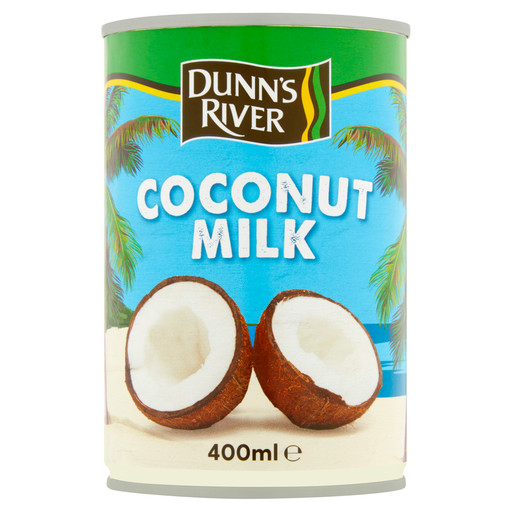
Dunns River Coconut Milk 400ml
This cooking format fits recipes such as desserts, soups and stews. It is not a like-for-like pourable coconut drink; check the current allergen information if a child will have the finished snack.
View on Joybuy
 No image available
Tropical Sun Coconut Milk Can 400ml
A tinned ingredient for dessert or baking recipes that call for coconut milk. Check the purchased can’s ingredients and allergen statement for the people eating the snack.
View on Joybuy
 No image available
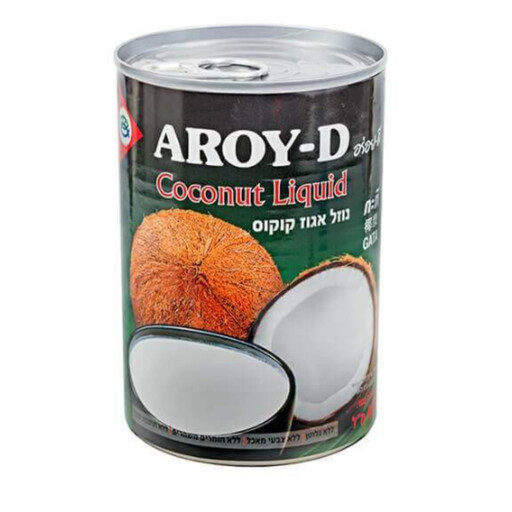
AROY-D Coconut Milk 17% Fat 400 ML
A tinned coconut milk option for cooking or dessert recipes. Its product information states possible traces of soy and milk, so check the current pack carefully if either allergen matters for the child eating it.
View on Joybuy
 No image available
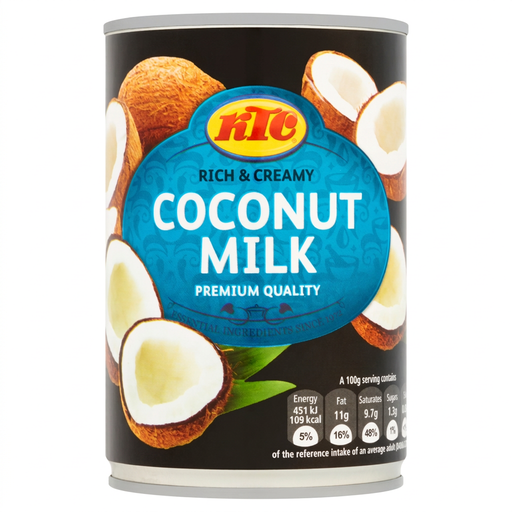
KTC Coconut Milk 400G
A tinned ingredient for recipes such as desserts or soups, rather than a pourable coconut drink. Its 400G pack is stated by weight: check the recipe’s required measure, along with the current nutrition and allergen label, before buying.
View on Joybuy
Questions about coconut milk for snacks
Are four pints the same as four 1-litre cartons?
No. Four UK pints are about 2.27 litres; four 1-litre cartons provide 4 litres. Add up what your snack recipes need and compare that volume with the pack labels.
Can coconut drink replace cow’s milk for a child?
Do not treat every coconut drink as nutritionally interchangeable with cow’s milk. NHS North West Knowledge Now notes that plant drinks vary and can be lower in energy, protein and micronutrients; Kingston and Richmond NHS Foundation Trust advises calcium- and iodine-fortified substitutes when a child cannot consume dairy. Follow clinical advice for a child with diagnosed cow’s milk protein allergy.
What should I check on a coconut drink for a child avoiding dairy?
Check the exact pack’s calcium and iodine fortification, ingredients, allergen statement, storage instructions and date mark. A plant-based or dairy-free description alone does not establish suitability for an individual allergy or dietary plan.
When is tinned coconut milk the right format?
Choose tinned coconut milk when the recipe calls for it as a cooking ingredient, such as in a dessert or sauce. For cereal and other snacks needing a pourable milk alternative, look for a coconut drink instead.


