Dairy-free afternoon-tea hosts
Choose the format for what you are serving: a pourable drink for tea, a barista drink for a foamed serve, or canned coconut milk for a recipe that calls for a richer ingredient.


For a splash in tea, choose a pourable coconut drink; for a foamed chai or latte-style serve, look for a barista formulation; and for baking or dessert components that need a richer coconut base, consider canned coconut milk. These formats are not interchangeable for every use: check the exact pack’s ingredients, allergen advice and preparation instructions before serving guests.
Choose the format for what you are serving: a pourable drink for tea, a barista drink for a foamed serve, or canned coconut milk for a recipe that calls for a richer ingredient.
Compare the exact drinks’ nutrition panels rather than assuming that all coconut drinks contain the same sugars or added calcium and vitamins. The UK Office for Health Improvement & Disparities notes that plant-based drinks vary considerably in nutrient content.
Read each current pack’s ingredients and allergen statements. Coconut drinks can differ in soya ingredients, milk-allergy suitability and precautionary nut advice.
Decide what the coconut product will go into before comparing its ingredients, hot-drink directions and storage instructions.
Choose when: You want a light coconut drink to add to a cup of tea.
Bear in mind: A drink is not a direct substitute for canned coconut milk in a recipe needing a richer base.
Choose when: You intend to heat and foam the drink for a chai or latte-style serve; Waitrose & Partners describes its Alpro Barista Coconut Chilled Drink as foamable.
Bear in mind: That Alpro chilled drink contains soya and carries a may-contain-nuts warning, so check the exact product before serving.
Choose when: A baking, filling or dessert recipe calls for a richer coconut ingredient; Marks & Spencer lists 60% coconut extract in its canned Coconut Milk.
Bear in mind: A canned cooking ingredient is not a like-for-like light drink for tea.
| Priority | What to check | Your needs |
|---|---|---|
| Format and richness | Check whether the pack is a pourable drink or canned cooking milk. Compare coconut content and fat using each label’s stated unit; Marks & Spencer lists 60% coconut extract and 17.3g fat per 100g for its canned Coconut Milk. | I’m adding a splash to tea, or I need a coconut ingredient for a filling or dessert; those jobs call for different formats. |
| Hot-drink preparation | Read directions for shaking, heating and frothing. Sainsbury’s advises letting hot water cool slightly before adding its Sweetened Long Life Coconut Drink to avoid separation. | For a cup of hot tea, I want to know how to add the drink. If I’m making a foamed serve, I’ll check that the exact product has frothing directions. |
| Sugars and fortification | Compare sugars per 100ml and check which nutrients are listed on the exact drink. Tesco lists 0.2g sugars per 100ml for Koko Unsweetened; the UK Office for Health Improvement & Disparities notes variation across plant-based drinks. | If I use a coconut drink regularly, I want to compare its nutrition panel with the other drinks I’m considering. |
| Allergens | Check ingredients, suitability statements and may-contain warnings on the current pack. Waitrose & Partners lists soya and a may-contain-nuts warning for Alpro Barista Coconut Chilled Drink. | A guest has an allergy, so I need to check the precise product I’ll serve rather than rely on the word “coconut”. |
| After opening | Read the pack’s refrigeration and use-by instructions after opening; do not apply unopened storage directions to leftovers. | I’m preparing several afternoon-tea items and need to plan when each opened drink or can will be used. |
The products have different formats and stated uses. Marks & Spencer lists 60% coconut extract and 17.3g fat per 100g for its canned Coconut Milk; Tesco lists 9% coconut milk for the pourable Koko Unsweetened drink.
Choose the product for the item being made: a tea splash, a foamed drink or a recipe component.
Waitrose & Partners lists soya and a may-contain-nuts warning for Alpro Barista Coconut Chilled Drink. Sainsbury’s states that its Sweetened Long Life Coconut Drink is unsuitable for customers with a soya allergy because of manufacturing methods.
Check the current pack whenever you select or substitute a product for a guest with an allergy.
The UK Office for Health Improvement & Disparities notes that plant-based drinks vary considerably in nutrient content, so a category name alone cannot tell you what a particular drink contains.
Compare sugars per 100ml and the specific added nutrients on the drinks’ nutrition panels.
Sainsbury’s says its Sweetened Long Life Coconut Drink can separate unless the hot water is allowed to cool slightly before the drink is added.
Follow the chosen product’s preparation directions; use a product with frothing instructions when foam is part of the serve.
These references show why the exact product and format matter; a retailer’s range does not mean every coconut product in it has the same ingredients.
Its coconut drinks include a No Sugar option and a separate Barista Coconut drink intended for foaming.
Koko Unsweetened is a pourable coconut drink rather than canned cooking milk.
Tesco’s coconut-drinks category includes an own-label long-life drink alongside branded options.
Its Sweetened Long Life Coconut Drink has product-specific guidance for adding it to hot drinks.
Its Creamy Coconut Drink and canned Coconut Milk serve different afternoon-tea uses.
Its listings include plain coconut drinks and a distinct Alpro Barista Coconut Chilled Drink.
These options cover a coconut drink for pouring, a barista drink for a foamed serve and canned coconut milk for recipe components. Choose by the job each product needs to do, then check its current pack.
 No image available
For a foamed drink, check this barista product’s heating and frothing directions before preparing a chai or latte-style serve. It contains soya; read the current pack’s allergen information before serving guests.
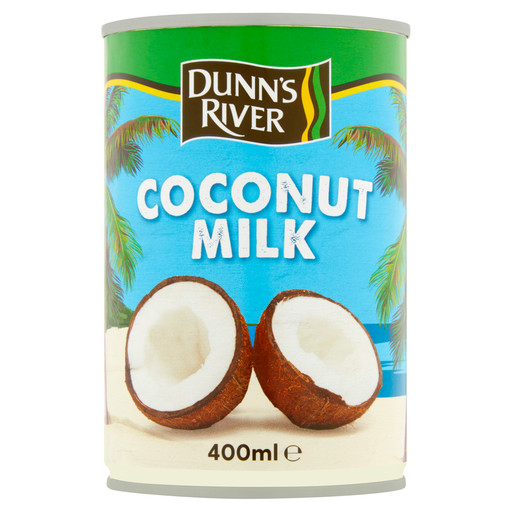 No image available
This canned cooking format is an option for a coconut dessert component, rather than a light splash in tea. After opening, transfer leftovers to a non-metallic airtight container, refrigerate and use within two days as directed.
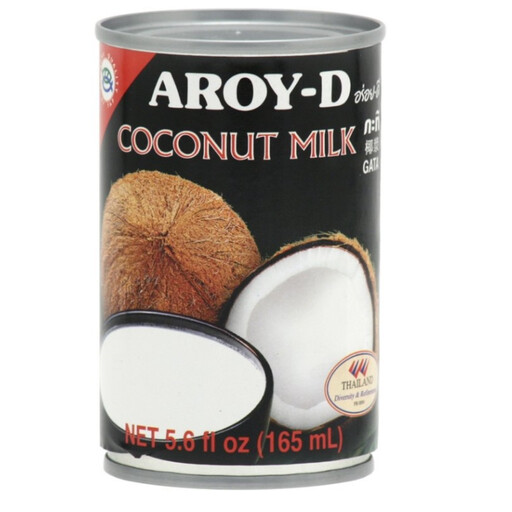 No image available
The 165 ml can offers a smaller format for a coconut dessert component, not a like-for-like light drink for tea. It may contain traces of nuts; follow the pack’s directions for refrigeration and use after opening.
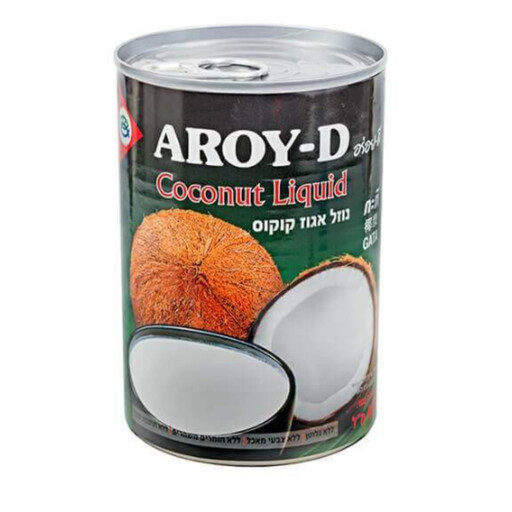 No image available
This canned coconut milk is a cooking-format option for a dessert component rather than a pourable tea drink. It may contain traces of soya and milk; refrigerate after opening and use within three days as directed.
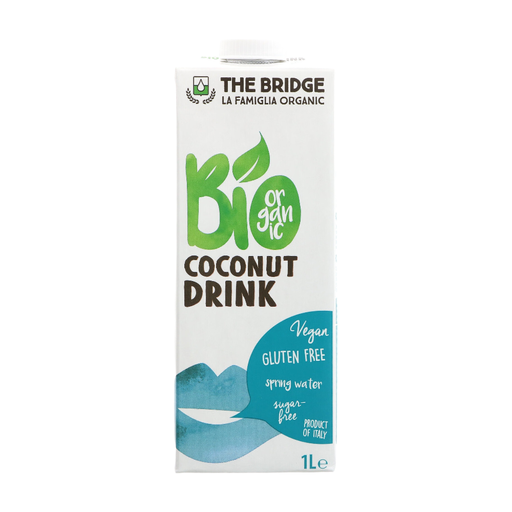 No image available
Consider this pourable drink for a light coconut addition to tea rather than for a recipe needing canned milk. Check the current pack’s directions before adding it to hot tea.
No. A coconut drink is a pourable option for a cup of tea, while canned coconut milk is a cooking ingredient to consider for a richer recipe component. Marks & Spencer lists 60% coconut extract and 17.3g fat per 100g for its canned Coconut Milk; Tesco lists 9% coconut milk for Koko Unsweetened drink. Choose according to what you are making, not the shared word “coconut”.
Heat can affect a particular drink’s preparation. Sainsbury’s says to let hot water cool slightly before adding its Sweetened Long Life Coconut Drink to avoid separation; follow the directions on the exact product you use.
Look for a coconut drink with explicit frothing instructions rather than assuming a plain drink will foam. Waitrose & Partners describes Alpro Barista Coconut Chilled Drink as foamable, but also lists soya and a may-contain-nuts warning for that product.
No. Check the current pack’s ingredients and allergen advice for the exact product: Waitrose & Partners lists soya and a may-contain-nuts warning for Alpro Barista Coconut Chilled Drink, while Sainsbury’s says its Sweetened Long Life Coconut Drink is unsuitable for customers with a soya allergy because of manufacturing methods.
Follow the individual pack’s refrigeration and use instructions. The directions for an opened drink may differ from those for canned coconut milk, so do not rely on how either product was stored before opening.