Who is this choice for?
The useful starting point is what the coconut product needs to do in the finished meal, rather than whether its pack says “milk” or “drink”.
Home cooks making dairy-free soft meals
If you are preparing porridge, soup, curry or a soft dessert, decide whether the recipe needs a pourable milk alternative or a richer cooking ingredient. Check the exact pack’s dairy-free and allergen information before using it for dairy avoidance.
People choosing foods that are easier to chew
A moist sauce may be useful in a soft dish, but the finished food still needs to match the person’s chewing and swallowing ability. The International Dysphagia Diet Standardisation Initiative (IDDSI) says its Level 7 Easy to Chew category is for people who can chew soft, tender foods without help and have no increased choking risk or swallowing problems.
Shoppers using a coconut drink instead of dairy milk
If a carton drink is going into regular breakfasts or drinks, check whether it is unsweetened and fortified with calcium. The NHS includes unsweetened, calcium-fortified plant alternatives, including coconut-based ones, in its dairy-and-alternatives food group.
What should you check before buying?
Choose the format for the recipe first, then check the exact product label and the texture of the food as it will be served.
| Priority |
What to check |
Your needs |
| Product format |
Check whether the carton is a pourable coconut drink or coconut milk intended for cooking. For a richer sauce, consider tinned cooking milk; M&S describes its 400 ml tin as adding a velvety texture to curries, soups and sundaes. |
I want a thinner liquid for porridge or drinks, or a richer coconut base for a soft soup or curry. |
| Dairy and allergens |
Read the dairy-free claim, ingredients and allergen statement on the exact current pack. A coconut product’s name alone does not establish its suitability for dairy avoidance. |
I need to check the particular product I am serving, especially if avoiding milk strictly. |
| Finished texture |
Check the prepared food at its intended serving conditions, including any pieces in a sauce. IDDSI says its texture tests apply to the food or drink being served, not to an ingredient in isolation. |
The whole meal needs to be appropriate for the person eating it; adding coconut milk cannot establish that by itself. |
| Nutrition label |
For a milk alternative, check calcium fortification and sugars per 100 ml. For cooking milk, compare fat and saturates using the label’s stated basis: M&S lists 17.3 g fat and 15.1 g saturates per 100 g for its 400 ml tin. |
If I use a coconut drink regularly, calcium fortification matters to my choice. For a rich cooking milk, I want to see how its stated nutrition fits the portion used in the dish. |
Relevant brands and retailers
These examples illustrate the difference between coconut drinks and cooking milk; a brand name alone does not establish the ingredients of every product in its range.
Alpro
Alpro Coconut No Sugars 1L is a drink-style coconut product that Alpro describes as dairy-free.
- Alpro lists 0 g sugars and 120 mg calcium per 100 ml for this product.
- It is a pourable drink, not tinned coconut milk for a richer sauce.
Koko
Ocado describes Koko Dairy Free Unsweetened Long Life Calcium Drink as an unsweetened coconut-based drink fortified with calcium and vitamins D2 and B12.
- Its drink format suits recipes where a thinner milk alternative is wanted.
- Check the exact pack’s current nutrition and allergen wording; a similarly named listing may not give identical information.
Tesco
Tesco lists coconut drinks separately from tinned coconut milk, making product format a useful starting point when browsing.
- Its coconut-drink category includes Tesco Long Life Coconut Original 1L alongside branded drinks.
- Check the individual product pack for its dairy-free claim, ingredients, allergens and fortification.
M&S
M&S Coconut Milk 400 ml is a tinned cooking product described for curries, soups and sundaes.
- M&S lists 60% coconut extract for this tin and describes its use for a velvety texture.
- Its label lists 17.3 g fat, including 15.1 g saturates, per 100 g; it is not nutritionally interchangeable with a calcium-fortified carton drink.
Waitrose
Waitrose lists Essential Coconut Milk and Essential Reduced Fat Coconut Milk in its tinned coconut-milk range, separately from coconut drinks.
- The separate formats let you start with the cooking purpose before comparing individual products.
- Check each pack for its exact ingredients, dairy-free suitability, allergens and nutrition values.
Joybuy coconut milk options for cooking
These are coconut milks for cooking, including two cartons of cooking milk rather than fortified coconut drinks. For a dairy-free meal, check the current pack’s ingredients and allergen statement; assess the finished dish separately for any easy-chew requirement.
 No image available
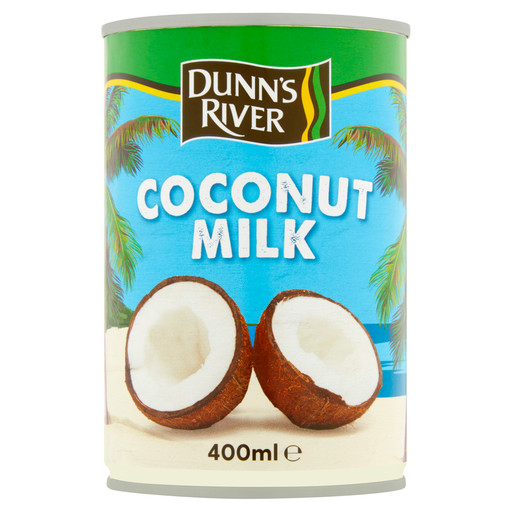
Dunns River Coconut Milk 400 ml
A cooking-milk option for a coconut-based soup or curry. Check the current pack for dairy-free and allergen information, and assess the texture of the finished dish.
View on Joybuy
 No image available
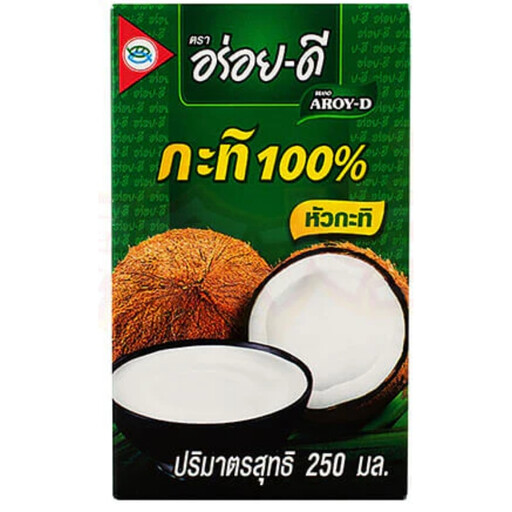
AROY-D Coconut Milk Carton 250 ml
A smaller carton of coconut milk for cooking with soups or sauces, not a calcium-fortified coconut drink. Read the current ingredients and allergen statement if avoiding dairy.
View on Joybuy
 No image available
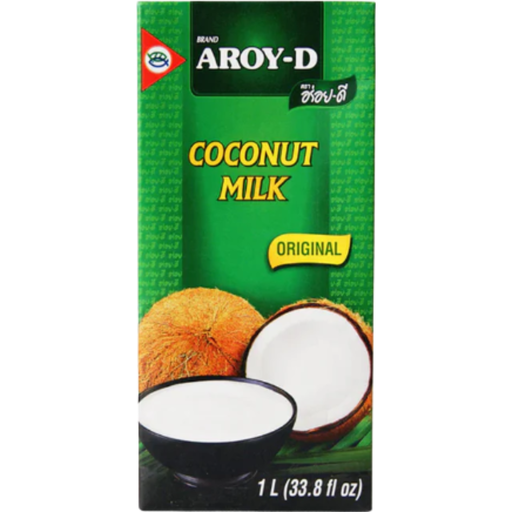
AROY-D Original Coconut Milk Carton 1 L
A larger cooking-milk carton for a batch of coconut-based soup or curry, rather than a pourable fortified milk alternative. Check the exact pack’s dairy-free suitability and the finished meal’s texture.
View on Joybuy
 No image available
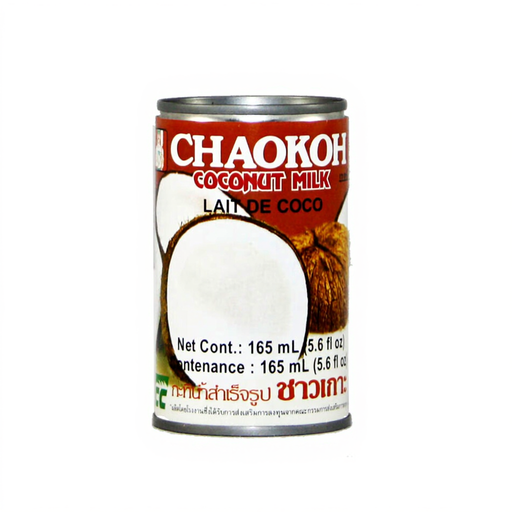
Chaokoh Coconut Milk Tin 165 ml
A small tin for a recipe calling for cooking coconut milk, such as a soup or soft dessert. Check the pack’s ingredients, allergens, nutrition panel and instructions for storing any contents after opening.
View on Joybuy
Questions about coconut milk and easy-chew meals
Is coconut milk automatically dairy-free?
No: check the exact product’s current ingredients, allergen information and any dairy-free claim. Alpro describes its Coconut No Sugars drink as dairy-free, while M&S lists its particular 400 ml cooking milk as vegan; neither description establishes what is in every coconut product.
Should I use a coconut drink or cooking milk in a soft meal?
Use a coconut drink when a thinner milk alternative suits the recipe, such as porridge. Use cooking coconut milk when a soup, curry or sauce calls for a richer base. Check the prepared meal’s texture rather than assuming either ingredient makes it easy to chew.
Does adding coconut milk make a meal suitable for IDDSI Level 7 Easy to Chew?
No. IDDSI says Level 7 Easy to Chew is for people who can chew soft, tender food without help and have no increased choking risk or swallowing problems. The finished food must be assessed under its intended serving conditions; follow individual professional advice for swallowing problems or a prescribed texture-modified diet.
What should I compare if a coconut drink replaces dairy milk regularly?
Check calcium fortification and compare sugars, fat, saturates and salt per 100 ml on the current labels. The NHS includes unsweetened, calcium-fortified plant alternatives, including coconut-based drinks, in its dairy-and-alternatives food group; a cooking coconut milk should not be assumed to have the same fortification.
How should I store coconut products after opening?
Follow the instructions on the exact pack, as they differ by product. Ocado’s listing for Koko Dairy Free Unsweetened Long Life Calcium Drink says to refrigerate it after opening and consume it within five days.


