What should you check before buying?
Start with the exclusions that matter to the drinker, then compare the nutrition panel and the instructions for the hot drink you intend to make.
| Priority |
What to check |
Your needs |
| Allergen suitability |
Read the exact carton’s ingredients, allergy advice and “may contain” statements. A dairy-free or vegan description does not establish suitability for every other allergen exclusion. |
I need a drink that fits my particular exclusions, including any precautionary statements I must avoid. Sainsbury’s lists Koko Unsweetened as free from dairy, soya, nuts and gluten, while Alpro lists soya and possible nut traces for Coconut Barista. |
| Sugar and calcium |
Compare sugars and calcium per 100ml, as well as any fortification stated on the pack. Alpro lists 0g sugars and 120mg calcium per 100ml for Coconut No Sugars; Sainsbury’s lists less than 0.5g sugars and 120mg calcium per 100ml for Koko Unsweetened. |
For a regular warm drink, I want to compare sugar without overlooking calcium. The NHS includes unsweetened, calcium-fortified plant alternatives in its dairy-and-alternatives food group. |
| Coffee foam |
Look for a formulation described for steaming or foaming, then check its ingredients. Alpro presents Coconut Barista as a foamable coffee drink, but lists soya and a precautionary nuts statement. |
Foam matters to my cappuccino or latte, provided the barista drink meets the intended drinker’s allergen requirements. |
| Mixing into hot drinks |
Follow the instructions for the specific product. Sainsbury’s advises letting hot water cool slightly before adding its Sweetened Long Life Coconut Drink to prevent separation. |
I want the drink to mix into tea or hot chocolate, so I’ll check its preparation guidance rather than assume every carton handles heat in the same way. |
Joybuy coconut drink options
These are barista-style coconut drinks to consider for coffee-based winter drinks. Compare their ingredients with your allergen requirements; the two packs should not be assumed to have the same foaming or nutrition details.
 No image available
Alpro Barista Coconut Long Life Drink, 8 × 1L
A barista-style coconut drink for coffee when foam matters. It contains soya; check the carton’s precautionary allergen statements if nut avoidance also matters.
View on Joybuy
 No image available
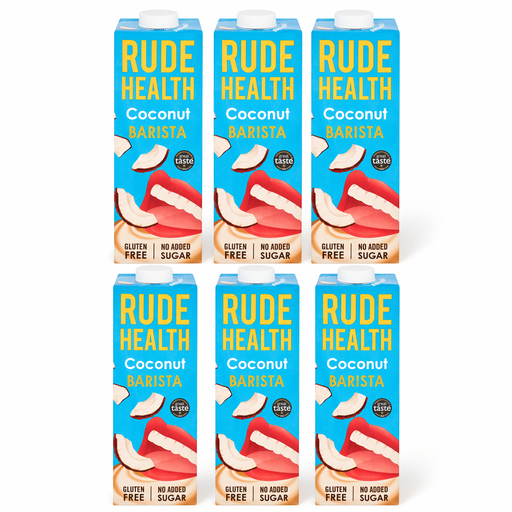
Rude Health Barista Coconut, 6 × 1L
A coconut-containing barista drink for coffee. The product information identifies oats, so check the ingredients if you need to avoid them; compare the carton’s sugar and fortification details if those affect your choice.
View on Joybuy
Questions about coconut drinks
Does dairy-free mean a coconut drink meets every allergen exclusion?
No. Check the specific ingredients and allergy advice for soya, nuts, gluten and any precautionary statements. For example, Sainsbury’s lists Koko Unsweetened as free from dairy, soya, nuts and gluten, but Alpro says its Coconut Barista drink contains soya and may contain nuts; Marks & Spencer warns that its Creamy Coconut Drink is not suitable for people with a milk allergy.
How do I compare coconut drinks for a lower-sugar hot drink?
Compare the “of which sugars” figure per 100ml on the exact products. Alpro lists 0g for Coconut No Sugars, while Sainsbury’s lists less than 0.5g for Koko Unsweetened; both list 120mg calcium per 100ml. Those figures do not describe their barista or other variants.
What if a coconut drink separates in tea or coffee?
Follow the preparation advice for that product. Sainsbury’s says to let hot water cool slightly before adding its Sweetened Long Life Coconut Drink to prevent separation. If you want foam for a latte, Alpro describes its separate Coconut Barista drink as made for foaming, but check its allergen information too.
Can Koko coconut drink be a young child’s main milk drink?
Do not assume it can. The Koko Unsweetened product information advises consulting a GP or qualified dietitian before using it as the main milk source for a child under two.
What does “may contain” mean on an allergen label?
The UK Food Standards Agency explains that precautionary allergen labelling, including “may contain”, communicates that a regulated allergen could be unintentionally present. Read it separately from the ingredients list when deciding whether a particular drink meets an allergen exclusion.


