Shoppers avoiding dairy and soya
Tesco lists Koko Unsweetened as free from dairy and soya, as well as nuts and gluten. Check the current pack for the exact variant before using it as a drink or smoothie base after exercise.


For a drink after exercise when avoiding dairy, soya, nuts and gluten, Tesco lists Koko Unsweetened as free from all four; check the current pack against the allergens you need to avoid. It provides 1.2 g protein and 0.4 g carbohydrate per 100 ml, so it should not replace food when quick refuelling is needed. The British Dietetic Association advises carbohydrate-rich food and fluids when rapid recovery is required.
The relevant free-from claim depends on the ingredient or allergen you need to avoid, not simply on whether a drink is coconut-based.
Tesco lists Koko Unsweetened as free from dairy and soya, as well as nuts and gluten. Check the current pack for the exact variant before using it as a drink or smoothie base after exercise.
A vegan label does not settle this question. Marks & Spencer says its Creamy Coconut Drink is not suitable for people with a milk allergy, so read the product-specific warning.
Choose a drink for its intended use, then consider food separately if you need to refuel. The British Dietetic Association advises carbohydrate-rich food and fluids when quick recovery is required; the British Nutrition Foundation also identifies protein and adequate fluid as relevant to recovery.
Start with the exact allergen declaration, then compare the drink’s nutritional information and whether it is intended for drinking, coffee or cooking.
| Priority | What to check | Your needs |
|---|---|---|
| Allergens | Read the exact variant’s ingredients, free-from claims and precautionary statements. Tesco lists Koko Unsweetened as free from dairy, soya, nuts and gluten; Waitrose lists soya and a may-contain-nuts statement for Alpro Barista Coconut. | I need the declaration to cover each allergen I avoid, including soya or nuts when those matter to me. |
| Refuelling | Compare protein and carbohydrate per 100 ml with what else you plan to eat. Tesco lists 1.2 g protein and 0.4 g carbohydrate per 100 ml for Koko Unsweetened. The British Dietetic Association advises carbohydrate-rich food and fluids when quick recovery is needed. | After a demanding session or before another one, I may need food alongside my drink rather than relying on the drink alone. |
| Fortification | Check which nutrients are listed, separately from protein content. Marks & Spencer lists calcium, iodine, vitamin B12 and vitamin D for its Creamy Coconut Drink, but also warns that it is unsuitable for people with a milk allergy. | I want to compare added nutrients without assuming a fortified drink meets my protein needs or my allergy requirements. |
| Product type | Check whether the carton is a drinking alternative, a barista drink or cooking coconut milk. Koko Dairy Free lists 17.4 g fat per 100 ml for its Cuisine Coconut Milk; Waitrose describes Alpro Barista Coconut as a coffee drink. | For a smoothie or coffee, I want a product intended for that use rather than choosing cooking coconut milk by name alone. |
Tesco lists just 1.2 g protein and 0.4 g carbohydrate per 100 ml for Koko Unsweetened. When quick recovery is needed, the British Dietetic Association advises carbohydrate-rich food and fluids.
Choose the drink for its ingredient profile and intended use, then consider what food you need alongside it.
Marks & Spencer describes its Creamy Coconut Drink as vegan but says it is not suitable for people with a milk allergy.
Follow the current product-specific ingredients, allergen information and suitability warning rather than the vegan description alone.
Tesco lists Koko Unsweetened as free from soya and nuts, while the Alpro Barista Coconut listing at Waitrose identifies soya and says it may contain nuts.
Check the exact variant each time, particularly when switching between an ordinary drinking alternative and a barista product.
Koko Dairy Free lists 17.4 g fat and 182 kcal per 100 ml for Cuisine Coconut Milk, a cooking product with a different purpose from its unsweetened alternative drink.
For a drink, cereal or smoothie base, check that the carton is intended for drinking; choose cooking coconut milk when the recipe calls for it.
These distinctions concern the named products, not every drink sold under each brand.
Tesco lists Koko Dairy Free Unsweetened Alternative Drink as a drinking option free from dairy, soya, nuts and gluten.
Marks & Spencer lists calcium, iodine, vitamin B12 and vitamin D in its Creamy Coconut Drink.
Waitrose describes Alpro Barista Coconut Chilled Drink as a coconut drink for coffee.
These options cover a barista-style coconut drink for coffee and a small coconut-and-papaya smoothie. Check each exact pack against your allergen requirements; neither format alone establishes what food you may need after exercise.
 Image unavailable
A barista-style coconut drink to consider for coffee after exercise. This variant contains soya; check its current pack for nut-related information if you need to avoid nuts, and plan any refuelling food separately.
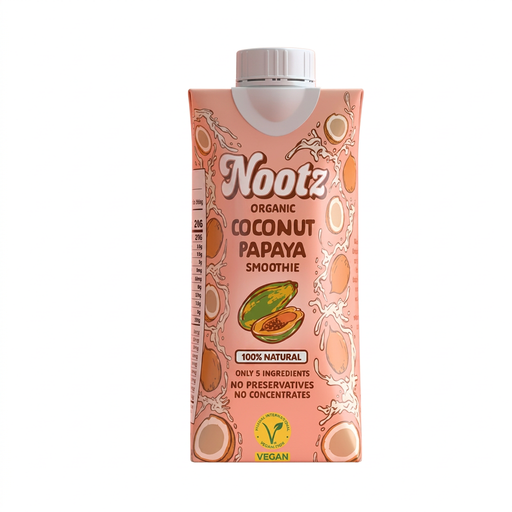 Image unavailable
A 180 ml coconut-and-papaya smoothie for a drink after exercise. Check its current ingredients and allergen information against anything you avoid; consider food alongside it if you need a more substantial refuelling option.
Do not rely on the reviewed Koko Unsweetened drink alone when quick refuelling is needed: Tesco lists 1.2 g protein and 0.4 g carbohydrate per 100 ml. The British Dietetic Association advises carbohydrate-rich food and fluids when rapid recovery is required, while the British Nutrition Foundation identifies protein and adequate fluid as relevant to recovery.
Not necessarily. Marks & Spencer says its vegan Creamy Coconut Drink is not suitable for people with a milk allergy. Check the current ingredients, allergen information and product-specific warning rather than relying on the vegan label.
No. Tesco lists Koko Unsweetened as free from soya and nuts, whereas Waitrose lists soya and a may-contain-nuts statement for Alpro Barista Coconut Chilled Drink. Read the declaration for the exact product you intend to buy.
Follow the storage and use-by-opening instructions on the exact pack. Do not apply one coconut drink’s instructions to another variant or product.
Check the current ingredients, allergen declaration, precautionary statements and any suitability warning for the exact product. A general description such as “coconut” or “plant-based” does not establish whether it meets a particular free-from requirement.