Shoppers planning ahead
A long-life coconut drink can be stored unopened according to its pack instructions. If you avoid milk, check the individual product’s ingredients and allergen statement rather than assuming every coconut drink is suitable.


A long-life coconut drink can be a convenient base for a post-workout snack, but do not rely on the drink alone after prolonged or demanding exercise. The British Heart Foundation advises 15–30g protein alongside carbohydrate after sessions lasting more than an hour; Koko Dairy Free, for example, lists 1.2g protein per 100ml in each of two coconut drinks. When quick recovery matters, the British Dietetic Association also advises starting with carbohydrate-rich foods and fluids.
The useful choice depends on what the rest of your post-workout food and drink will provide.
A long-life coconut drink can be stored unopened according to its pack instructions. If you avoid milk, check the individual product’s ingredients and allergen statement rather than assuming every coconut drink is suitable.
After a session lasting more than an hour, the British Heart Foundation advises protein alongside carbohydrate. If another session follows soon, the British Dietetic Association also advises prompt carbohydrate refuelling.
An unsweetened drink may fit your preference, but check total carbohydrate as well as sugars. Koko Dairy Free lists 0.4g carbohydrate per 100ml for Koko Unsweetened, so it would play a different role from a carbohydrate-rich snack.
Start with what your workout calls for, then compare the nutrition panel and the exact pack’s storage and allergen instructions. A “filtered” description is not a substitute for those checks.
| Priority | What to check | Your needs |
|---|---|---|
| Protein | Compare protein per 100ml with the amount you intend to drink. Koko Dairy Free lists 1.2g per 100ml for both Super Milk and Unsweetened. | After a session lasting over an hour, I need protein from the whole snack or meal, not just the coconut drink. The British Heart Foundation advises 15–30g alongside carbohydrate in that situation. |
| Carbohydrate | Read total carbohydrate, not only the sugar claim. Koko Dairy Free lists 3.2g per 100ml for Super Milk and 0.4g per 100ml for Unsweetened. | If I need to train again soon, I want to plan carbohydrate-rich food or fluids as well. The British Dietetic Association advises starting to refuel promptly when quick recovery is required. |
| Fluids | Consider how much you have sweated and what else you are drinking. The NHS identifies water as the way to replace fluid lost through physical activity. | After a sweaty session, I need to replace fluid; coconut flavour alone does not tell me whether a drink meets that need. |
| Storage | Look for UHT or long-life wording and follow the instructions after opening. The Waitrose & Partners listing for Plenish says to refrigerate after opening and consume within four days. | I want an unopened carton I can keep for later, but I also need a size I can use within its opened-pack instructions. |
| Sugars and ingredients | Distinguish “no added sugar” from the sugars figure on the nutrition panel. Check the ingredient list and any milk-allergen statement on the current pack. | Whether I am limiting sugar, choosing a short ingredient list or avoiding milk, I need the exact product label to match that requirement. |
| Added nutrients | Check which nutrients are listed and their amounts if they matter to your choice. Tesco Groceries describes Alpro Coconut No Sugar Long Life as containing added calcium and vitamins B12 and D. | I may want added nutrients, but that does not tell me how much protein or carbohydrate the drink contributes after training. |
Added calcium or vitamins do not establish the drink’s protein content. Koko Dairy Free lists 1.2g protein per 100ml for Super Milk and Unsweetened, while the British Heart Foundation advises 15–30g protein alongside carbohydrate after exercise lasting more than an hour.
Check the amount you will drink and plan the rest of the snack or meal around the protein and carbohydrate you need.
Koko Unsweetened lists 0.4g carbohydrate per 100ml. The British Dietetic Association advises carbohydrate-rich foods and fluids when quick recovery is required.
If you need to refuel promptly, consider what carbohydrate the rest of your food and drink will provide.
The Marks & Spencer listing for M&S Plant Kitchen Creamy Coconut Drink describes it as vegan but also states that it is not suitable for people with a milk allergy.
If you need to avoid milk, follow the current pack’s ingredient and allergen information for the exact drink you choose.
Long-life wording does not replace opened-pack instructions. Waitrose & Partners says its Plenish Organic Unsweetened Long Life Coconut Drink should be refrigerated after opening and consumed within four days.
Check those instructions before choosing a carton size, and store the opened drink as directed.
These examples illustrate label differences to check on individual products; a brand name alone does not establish a drink’s post-workout role.
Koko Dairy Free lists coconut drinks with different carbohydrate and sugar figures.
Tesco Groceries describes Alpro Coconut No Sugar Long Life as a UHT coconut drink.
Waitrose & Partners lists Plenish Organic Unsweetened Long Life Coconut Drink as a UHT coconut-and-rice drink with no added sugar.
Marks & Spencer lists added calcium, iodine and vitamins B12 and D for its Creamy Coconut Drink.
Tesco Groceries lists coconut drinks from its own label and other brands.
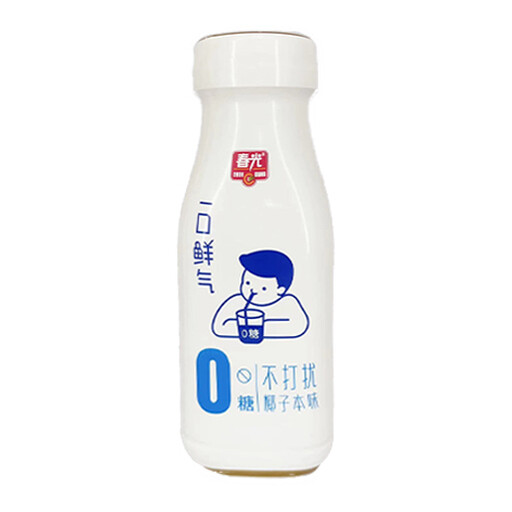
This Chunguang coconut drink is an option to assess against your post-workout snack. Check its current pack before relying on the sugar wording, bundle size, milk-allergen information or unopened storage conditions.
 No image available
If you want coconut milk after training, consider what protein and carbohydrate the rest of your snack or meal will provide. The product title states 245ml per unit, but its “0 Sugar” wording conflicts with a non-zero sugar figure in the accompanying product information; check the current nutrition panel and confirm the number of units before buying. If you avoid milk, check the ingredients for sodium caseinate and follow the pack’s allergen statement. Confirm storage instructions before treating it as a long-life option.
Do not rely on an ordinary coconut drink alone after prolonged exercise. Koko Dairy Free lists 1.2g protein per 100ml for both Super Milk and Unsweetened; the British Heart Foundation advises 15–30g protein alongside carbohydrate after sessions lasting more than an hour. Check what the full snack or meal provides.
No: long-life describes the product’s storage characteristics, not its protein or carbohydrate contribution. Tesco Groceries describes Alpro Coconut No Sugar Long Life as UHT, while the Waitrose & Partners listing for Plenish gives opened-pack refrigeration instructions. Check nutrition and storage separately.
When quick carbohydrate refuelling matters, plan food or fluids that provide it rather than relying on an unsweetened coconut drink. Koko Dairy Free lists 0.4g carbohydrate per 100ml for Koko Unsweetened, and the British Dietetic Association advises carbohydrate-rich foods and fluids when quick recovery is required.
Do not assume so. Marks & Spencer states that its vegan-labelled M&S Plant Kitchen Creamy Coconut Drink is not suitable for people with a milk allergy. Check the current ingredient list and allergen statement for the exact product.
No. The NHS identifies water as the way to replace fluid lost through physical activity and notes that people active for long periods may need more fluid. Consider how much you have sweated rather than treating coconut flavour as a measure of hydration suitability.