Cereal and porridge eaters
A ready-to-pour coconut drink fits a breakfast where you would otherwise add milk. Compare chilled and long-life cartons, then check the individual product’s sugars, added nutrients and instructions after opening.


For cereal or a ready-to-pour breakfast drink, choose a coconut drink carton and compare its sugars, ingredients and added nutrients on the label. A barista blend is a different choice for coffee, while a creamed-coconut block is a concentrated cooking ingredient for recipes, not a direct substitute for a carton.
A ready-to-pour coconut drink fits a breakfast where you would otherwise add milk. Compare chilled and long-life cartons, then check the individual product’s sugars, added nutrients and instructions after opening.
A coconut barista drink is worth considering when coffee use matters more than choosing a no-sugars drink. Read the ingredients: the cited Alpro barista product contains soya, and the Sainsbury’s coconut barista drink lists soya and sugar.
Choose creamed coconut when a recipe calls for a concentrated cooking ingredient. Waitrose lists a 200g creamed-coconut block separately from coconut milk tins; neither format should be assumed to work like a ready-to-pour breakfast drink.
Decide whether breakfast calls for something to pour, a drink for coffee or an ingredient to cook with. Then compare labels within that format.
| Priority | What to check | Your needs |
|---|---|---|
| Format | Check whether the pack is a ready-to-pour drink, a barista blend or creamed coconut for cooking. Follow the recipe’s preparation instructions for a block. | For cereal, I want a carton I can pour. For a cooked breakfast recipe, I may need a concentrated ingredient instead. |
| Sugars and ingredients | Compare sugars per 100ml and read the ingredient list. Alpro UK lists 0.0g sugars per 100ml for Coconut No Sugars; Sainsbury’s lists 3.3g per 100ml for its coconut-and-soya barista drink. | If I’m choosing a no-sugars drink, I won’t assume a coconut barista blend has the same recipe. |
| Added nutrients and protein | Check each carton’s calcium and vitamin declarations, then compare protein per 100ml. Tesco lists 1.2g protein and 120mg calcium per 100ml for Koko’s unsweetened long-life drink; Alpro UK lists 0.2g protein and 120mg calcium per 100ml for Coconut No Sugars. | When a coconut drink regularly replaces milk at breakfast, I want to know what that particular carton contains rather than treating all coconut drinks alike. |
| Storage | Check where an unopened carton should be kept and how soon to use it after opening. Tesco’s Koko long-life listing calls for refrigeration after opening and use within five days. | Cupboard storage before opening would help my routine, but I still need room in the fridge once the carton is open. |
| Allergens | Read the exact pack’s ingredients and any precautionary allergen wording. A vegan label alone does not establish whether a product is suitable for someone with a food allergy; the cited Sainsbury’s barista drink contains soya. | If an allergy affects my choice, I need the allergen information for the product I’m buying, not just its coconut or vegan description. |
Waitrose lists creamed-coconut blocks and coconut milk tins as culinary products, distinct from ready-to-pour coconut drinks. Their use and nutrient declarations should not be assumed to match a drink carton.
Choose the format according to what breakfast requires: pouring into cereal, adding to coffee or preparing a recipe.
Alpro UK lists 0.0g sugars per 100ml for Coconut No Sugars. Sainsbury’s coconut barista drink contains soya and lists 3.3g sugars per 100ml, so the two products answer different ingredient preferences.
Compare ingredients and nutrition per 100ml before switching between a breakfast drink and a barista blend.
Vegan labelling does not, by itself, address every allergen or possible cross-contact concern. A coconut barista drink can also contain soya as an ingredient.
If you manage a food allergy, check the ingredients and any precautionary allergen statement on the exact pack.
Tesco’s Koko chilled and long-life listings say to refrigerate after opening and use within five days. An unopened long-life carton’s storage convenience does not continue after it is opened.
Check each carton’s current instructions and consider how quickly your household will use an opened pack.
These examples describe particular coconut drink lines, not every product made by each brand.
Tesco lists unsweetened Koko coconut-based drinks in chilled and long-life 1L formats.
Alpro Coconut No Sugars and Alpro Barista Coconut serve different breakfast uses.
Sainsbury’s lists a 1L coconut-and-soya barista drink for shoppers considering a coffee-focused carton.
These options cover coconut barista drinks, a ready-to-drink coconut beverage and a creamed-coconut block for recipes. Match the format to how you prepare breakfast before comparing pack sizes.
 No image available
Consider this coconut-and-soya barista drink for weekday coffee rather than as a like-for-like replacement for Alpro Coconut No Sugars. The pack contains eight 1L cartons; check the current ingredients if soya affects your choice.
 No image available
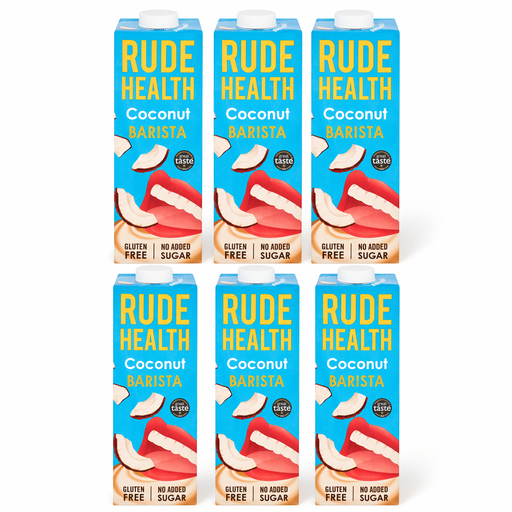
This barista coconut drink is an option to consider for coffee-focused breakfasts. Check the carton’s ingredients if oats affect your choice, and read its storage and nutrition information before buying multiple cartons.
 No image available
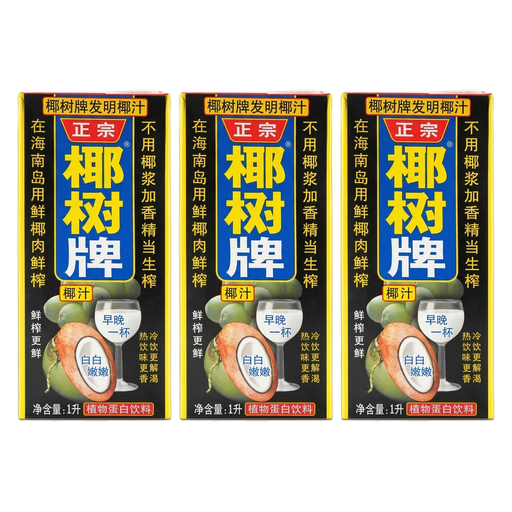
This three-carton coconut beverage is a ready-to-drink option rather than a creamed-coconut block. Check whether its ingredients and nutrition suit your breakfast use, and follow the pack’s instructions after opening.
 No image available
Choose this 200g block for a breakfast recipe that calls for creamed coconut, not for pouring straight onto cereal. Check the recipe’s preparation method and the pack’s nutrition and allergen information.
No. A creamed-coconut block is a concentrated cooking ingredient, while a coconut drink carton is ready to pour. Use the block when your breakfast recipe calls for it, and check its preparation instructions rather than assuming it replaces a drink.
Choose a long-life carton if storing it in a cupboard before opening helps your routine. Tesco’s Koko long-life listing says to refrigerate the carton after opening and use it within five days; check the instructions on whichever product you buy.
No. Vegan labelling alone does not settle allergen or cross-contact questions. Read the ingredients and any precautionary allergen wording on the exact pack; the cited Sainsbury’s coconut barista drink, for example, contains soya.
Compare labels on the same per-100ml basis, including sugars, protein and declared added nutrients. Alpro UK lists 0.0g sugars and 0.2g protein per 100ml for Coconut No Sugars, while Tesco lists 0.2g sugars and 1.2g protein per 100ml for Koko’s unsweetened long-life drink.