Organic-first breakfast shoppers
If you pour coconut drink over cereal or into porridge, smoothies or coffee, look for a carton intended as a drink and check its organic labelling on the pack.


For cereal, porridge or smoothies, start with a carton labelled as an organic coconut drink if organic ingredients are your priority; canned coconut milk is a different, richer cooking product. If the drink regularly replaces dairy, compare the exact carton’s calcium, vitamin D, B12, iodine and protein information too: an organic claim does not establish that a drink is fortified.
If you pour coconut drink over cereal or into porridge, smoothies or coffee, look for a carton intended as a drink and check its organic labelling on the pack.
If coconut drink is a regular dairy alternative, its fortification and protein information matter alongside its ingredients. The NHS advises people following a vegan diet to plan for nutrients including calcium, vitamin D, B12 and iodine.
A pourable coconut drink and canned coconut milk serve different uses. Choose by what you are making, then compare nutrition information using the units shown on each pack.
Decide whether you need a pouring drink or a cooking ingredient before comparing organic claims, ingredients and fortification.
| Priority | What to check | Your needs |
|---|---|---|
| Carton or can | Check whether the product is a coconut drink for pouring or canned coconut milk intended for cooking. Compare nutrition per 100ml or per 100g as labelled, rather than treating the figures as identical measures. | I want something to pour over cereal or add to porridge and smoothies, not a rich ingredient for a recipe. |
| Organic labelling | Check the finished product’s organic claim and control-body details, not just whether individual ingredients are described as organic. The Department for Environment, Food & Rural Affairs says organic food labelling depends on production rules and certification by an approved control body. | If I am choosing organic, I want to confirm the claim on the carton I buy. |
| Fortification | Read the nutrition panel for calcium, vitamin D, B12 and iodine on the exact drink. The NHS advises people following a vegan diet to consider fortified foods and to check plant-drink labels for iodine. | When a coconut drink regularly replaces dairy at breakfast, I need to know which nutrients it actually lists. |
| Ingredients and protein | Read the ingredient list for added sugar and other formulation ingredients, then check protein per 100ml. A short ingredient list does not establish fortification or a particular protein content. | I may prefer a simple ingredient list, but I also want to see how the drink fits with the rest of my breakfast. |
Waitrose describes Duchy Organic Coconut Milk as a cooking ingredient and lists 18g fat per 100g. A carton coconut drink is a different format for everyday pouring.
Choose the carton for cereal or porridge; choose a can when a recipe calls for a richer coconut ingredient.
Organic status describes how a product is produced, not its calcium or vitamin content. Coconut drinks also differ in protein content.
If the drink regularly replaces dairy, check the exact pack for protein, calcium, vitamin D, B12 and iodine rather than relying on the organic claim.
The pack in hand is the relevant place to check ingredients, allergen information, organic labelling and nutrition before use.
Read its current label, especially if an allergen or a particular nutrient affects your choice.
Its organic UHT coconut-and-rice drink is a carton option for pouring at breakfast.
Its organic coconut drink and its separate chilled coconut drink with calcium are distinct choices.
Alpro Coconut Original is a fortified coconut drink to compare when listed nutrients matter more than an organic claim.
Koko Unsweetened is another fortified coconut drink for comparing exact-pack nutrient information.
Duchy Organic Coconut Milk is a canned cooking product, rather than a direct counterpart to a carton breakfast drink.
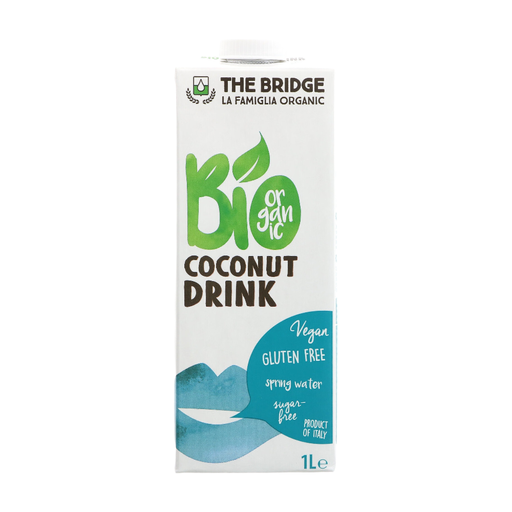
These carton drinks offer two different starting points: an Alpro barista drink for breakfast coffee and a The Bridge coconut drink for comparing ingredients. Check the exact pack if a certified organic finished product or particular added nutrients are essential to your choice.
 No image available
A barista coconut drink to consider for weekday coffee when frothing matters. It contains soya; check the carton’s organic labelling and nutrient quantities if either is important to your choice.
 No image available
A carton coconut drink to compare if you are looking for a dairy-free breakfast option. Its listed ingredients include ones marked organic; check the finished drink’s organic certification on the pack if that determines your purchase.
You can use it if you want a richer coconut ingredient, but it is not the same kind of product as a carton drink for routine pouring. Waitrose lists Duchy Organic Coconut Milk at 178kcal and 18g fat per 100g and describes it as suitable for cooking and desserts; compare the labels and serving amounts for your intended use.
Check the finished carton’s organic labelling and control-body details. The Department for Environment, Food & Rural Affairs says products labelled organic must meet organic production rules and be certified by an approved organic control body; an ingredient described as organic does not, by itself, settle the status of the finished drink.
Do not assume that it does: compare the exact drink’s protein and listed nutrients with what you need from the rest of your diet. The NHS advises people following a vegan diet to plan for nutrients including calcium, vitamin D, B12 and iodine, and to consider fortified dairy alternatives.
Yes, if iodine content affects your choice, check it separately on the exact label. The NHS notes that some plant drinks are fortified with iodine; Alpro UK lists 120mg calcium but 0µg iodine per 100ml for Coconut Original.
Follow the instructions on the product you open, as they differ by pack. Waitrose directs users to refrigerate unused Duchy Organic Coconut Milk and consume it within two days; the reviewed Rude Health organic drink listing says to refrigerate after opening and use within five days.