Families packing dairy-free holiday lunches
A ready-to-drink carton may be easier to serve with lunch than coconut milk intended for cooking. Check the exact product’s dairy and allergen information before choosing it for a child.


For a school-holiday lunch, start with a ready-to-drink coconut beverage rather than canned cooking coconut milk, then compare total sugars, sweeteners and the allergen statement on the pack. An unsweetened or no-added-sugar label does not establish how mild a drink tastes, and a lunch accompaniment should not automatically be treated as a replacement for a child’s usual milk.
A ready-to-drink carton may be easier to serve with lunch than coconut milk intended for cooking. Check the exact product’s dairy and allergen information before choosing it for a child.
Front-of-pack wording does not tell you everything about total sugars or sweeteners. Compare the ingredients and the sugars figure per 100ml on the drinks you are considering.
When a drink needs to avoid a particular allergen, check the current pack rather than relying on a vegan or coconut-based description. If it is intended to replace a child’s usual milk, its nutritional role needs separate consideration.
Decide whether the drink is simply going alongside lunch or taking the place of a usual milk drink; that changes which label details matter most.
| Priority | What to check | When it matters |
|---|---|---|
| Drink format | Look for a ready-to-drink coconut beverage, not canned cooking coconut milk or coconut cream. Check the serving and storage instructions. | I want to serve it with lunch, rather than use it as an ingredient in a meal. |
| Sugars and sweeteners | Compare the sugars figure per 100ml and read the ingredients. Unsweetened, no added sugar and a zero-sugar claim do not mean the same thing. | A less sweet-tasting drink is the aim, but I cannot judge its flavour from the sugar claim alone. |
| Nutrition and fortification | Check energy, protein, calcium and any listed vitamins or iodine on the exact pack. Consider the wider diet if the drink is meant to replace usual milk. | It is going to be more than an occasional lunch accompaniment, so I need to know what the drink contributes. |
| Allergens | Read the ingredients, allergen statement and precautionary advice for the exact product. Do not use vegan wording as a milk-allergy check. | Someone eating the lunch needs to avoid milk or another specified ingredient. |
Tesco Groceries search results place canned coconut milk and cream alongside coconut drinks, although they are different product formats.
For a lunch drink, check that the product is described as ready to drink before comparing its nutrition label.
Ingredients such as rice can contribute sugars even when a drink is labelled no added sugar.
Compare the total sugars per 100ml and read the ingredient list; neither figure establishes how mild the drink will taste.
NHS-linked guidance notes that some coconut-based alternatives are low in energy and protein. A drink served occasionally with food has a different role from one replacing a young child’s usual milk.
If a child needs a main non-dairy milk alternative, review its energy, protein and fortification with an appropriate clinician or dietitian, particularly where allergy or a restricted diet is involved.
The M&S Plant Kitchen Creamy Coconut Drink product information says it is not suitable for people with a milk allergy.
Check the current allergen statement on the exact drink before serving it to someone with a milk allergy.
These examples show why coconut drinks need product-by-product label checks; a retailer’s search results can also include cooking products.
Koko Unsweetened is a coconut-based carton drink listed by Tesco Groceries with added calcium and vitamins D2 and B12.
Alpro Coconut Original is a coconut-and-rice drink listed by Tesco Groceries with added calcium and vitamins.
Tesco Groceries lists carton coconut drinks alongside canned coconut milk and coconut cream.
M&S lists its Plant Kitchen Creamy Coconut Drink with added calcium, iodine and vitamins B12 and D.
Waitrose & Partners lists Rude Health coconut-and-rice drinks, including a calcium-fortified drink labelled no added sugar.
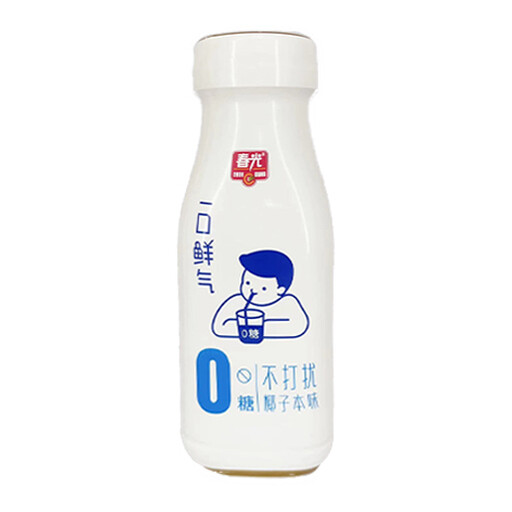
The Joybuy option here is a ready-to-drink coconut beverage in cans, rather than an unsweetened carton drink. Its listed sweeteners and milk ingredient matter if either added sweetness or milk allergy is part of the decision.
 No image available
This ready-to-drink coconut beverage comes in 245ml cans for serving with lunch. Its listing claims zero sugar but names erythritol and sucralose, so it is not an unsweetened option. It also lists milk-derived sodium caseinate and says the drink contains milk: do not choose it for a milk-allergy lunch. Check the pack’s nutrition and whether its flavour suits the child, especially if considering it for anything beyond an occasional drink.
No. Tesco Groceries lists canned coconut milk and cream alongside carton drinks, but they are different product formats. For a drink with lunch, choose a product described as ready to drink and check its pack instructions.
No. A coconut-and-rice drink can contain sugars from its ingredients without added sugar. Check the total sugars per 100ml as well as the claim and ingredient list; neither tells you exactly how mild it tastes.
Do not assume that a coconut drink served with lunch is suitable as a main milk replacement. NHS-linked guidance notes that some coconut-based alternatives are low in energy and protein. If a child needs a non-dairy replacement, check the drink’s full nutrition and fortification in the context of their diet with an appropriate clinician or dietitian.
No. The M&S Plant Kitchen Creamy Coconut Drink product information says it is not suitable for people with a milk allergy. Check the current ingredients and allergen statement of the exact product rather than relying on vegan wording.