Parents adding coconut drink to breakfast
A 1-litre drink may be convenient for porridge, cereal or cooking for a toddler over one. Using it in food does not establish that it can replace the child's usual milk.


For a toddler over one, a 1-litre coconut drink can be an ingredient in porridge or cereal, but do not assume it can replace the child's usual main milk drink. Norfolk and Waveney Integrated Care System notes that plant-based alternatives vary in energy, protein and micronutrients; if a coconut drink would become the main milk source for a child under two, seek GP or dietitian advice and check the exact product label.
The intended use matters as much as the carton size: an ingredient for breakfast is a different decision from a child's main milk drink.
A 1-litre drink may be convenient for porridge, cereal or cooking for a toddler over one. Using it in food does not establish that it can replace the child's usual milk.
Compare the exact drink's fortification, energy and protein information. The Sainsbury's listing for Koko Unsweetened advises GP or dietitian consultation before using it as the main milk source for a child under two.
Tesco Groceries lists 1-litre coconut drinks separately from 400 ml canned coconut milks. Check which type a breakfast recipe calls for rather than relying on the words “coconut milk” alone.
Decide whether the coconut product is for a recipe or for regular drinking, then compare the labels of products that fit that use.
| Priority | What to check | Your needs |
|---|---|---|
| Age and use | Check whether the drink is an ingredient or the main milk source. North East London NHS Foundation Trust says plant-based drinks should not replace breast milk or formula as the main milk drink before age one. | I'm adding a drink to breakfast food, not assuming it meets all my child's milk-drink needs. If it would be the main milk source under age two, I'll seek GP or dietitian advice. |
| Nutrition and fortification | Compare declared calcium, iodine and vitamin fortification, alongside energy and protein per 100 ml. Norfolk and Waveney Integrated Care System notes that plant-based alternatives vary in these nutrients. | With dairy excluded, I want to know what this particular carton provides rather than assume all coconut drinks are fortified alike. |
| Sugar description | Read both the ingredients and nutrition panel. “Original”, “unsweetened” and “no sugars” are product descriptions, not interchangeable specifications. | For porridge or cereal, I may prefer a drink described as unsweetened or without added sugars and check that the pack matches that preference. |
| Product format | Confirm whether the item is a pourable 1-litre drink or canned coconut milk intended for cooking. Check the recipe before substituting one for the other. | A carton suits the breakfast use I have in mind; if my recipe specifies canned coconut milk, I'll buy that product type instead. |
| Allergen information | Read the current ingredients, allergen declaration and any precautionary statement on the exact pack. The Department for Education advises schools to check product information when products change. | If my child has an allergy or takes food to nursery or school, I need the details for the product being used, not an assumption about coconut drinks as a category. |
Norfolk and Waveney Integrated Care System notes that plant-based alternatives vary and are often lower in energy, protein and micronutrients than animal milks. Fortification alone does not settle whether a drink can be a toddler's main milk source.
Compare the exact pack's nutrients. If it would become the main milk source for a child under two, seek GP or dietitian advice.
Tesco Groceries lists 1-litre coconut drinks and 400 ml canned coconut milks as different product types. The format matters when a recipe calls for a particular ingredient.
Choose a pourable drink for cereal or porridge when that is what the recipe requires; use canned coconut milk when the recipe specifically calls for it.
A dairy-free description does not answer every question about ingredients or potential cross-contact relevant to an individual child. The Food Standards Agency explains that precautionary allergen information communicates possible unintentional presence of regulated allergens.
Check the current pack whenever a product changes, and pass its exact details to nursery or school when needed.
These named drinks illustrate label differences; a brand name alone does not establish suitability as a toddler's main milk drink.
M&S says its Creamy Coconut Drink is enriched with calcium, iodine, vitamin B12 and vitamin D.
Sainsbury's lists Koko Dairy Free Unsweetened Drink 1L with calcium and vitamins D2 and B12.
Alpro UK lists 1-litre Coconut Original and Coconut No Sugars drinks.
Tesco Groceries lists 1-litre coconut drinks from its own range and other named producers.
These options are 1-litre coconut drinks or beverages for use as breakfast ingredients. The Alpro Barista product is supplied as an 8 × 1L multipack; none should be assumed suitable as a toddler's main milk drink from its format alone.
 No image available
The multipack format is worth checking against how much coconut drink you use at breakfast. Its product description flags soya; read the current allergen label, and compare the pack's fortification if dairy is excluded. A barista drink should not automatically be used as a toddler's main milk source.
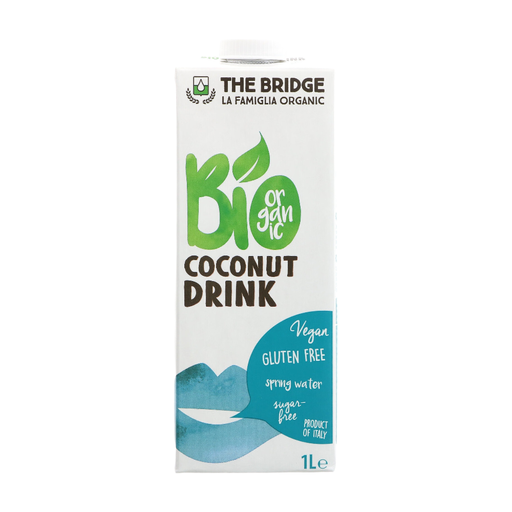 No image available
This 1-litre drink is an option to consider for porridge or cereal. If dairy is excluded, check the current pack for calcium, iodine and vitamin fortification, as well as its allergen information. Do not assume it can serve as a toddler's main milk drink.
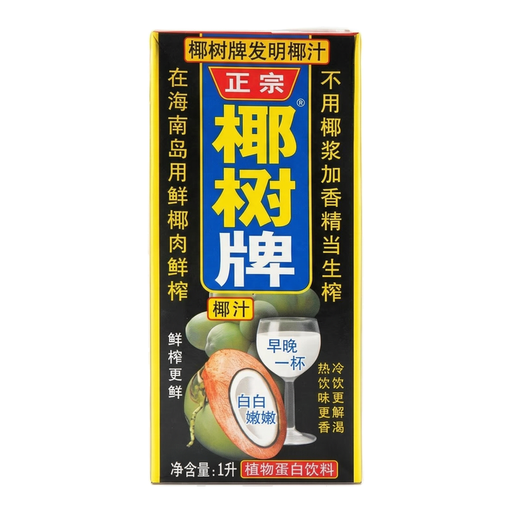 No image available
This 1-litre coconut beverage is described for drinking and food use, but sugar is listed as an ingredient, so it does not fit a preference to avoid added sugar. Its product description says to use it within 24 hours of opening. Check the current allergen and fortification information before using it for a child.
A toddler over one can have a coconut drink as an ingredient in breakfast food, but that use does not make it suitable as the child's main milk drink. North East London NHS Foundation Trust says plant-based drinks should not replace breast milk or formula as the main milk drink before age one; for a child under two whose main milk source would change, seek GP or dietitian advice.
Compare the exact drink's declared calcium, iodine and vitamin fortification, alongside energy and protein. NHS South West London explains that dairy provides calcium, iodine, calories and protein, while Norfolk and Waveney Integrated Care System notes that plant-based alternatives vary in their nutrient content.
No: Tesco Groceries lists 1-litre coconut drinks separately from 400 ml canned coconut milks. Check whether your breakfast recipe calls for a pourable drink or a cooking ingredient before buying.
No. The named Alpro and Koko drinks are described as plant-based or dairy-free, but the exact pack's ingredients and precautionary allergen information still matter for an individual child. The Department for Education advises schools to check labels and product information when products change.
No: check the nutrient declaration rather than using organic status as a shortcut. M&S explicitly states calcium, iodine and vitamin enrichment for its Creamy Coconut Drink, while Waitrose describes Plenish Organic Coconut Unsweetened by its ingredients and no-added-sugar claim; those descriptions answer different label questions.