Parents checking several allergens
If a child avoids dairy alongside soya, nuts or cereals containing gluten, check claims on the exact product against the child’s allergy plan. A vegan or dairy-free label does not address every exclusion.


For a snack that needs a pourable dairy alternative, consider a coconut drink such as Koko Dairy Free Unsweetened Alternative Drink if its stated dairy-, soya-, nut- and gluten-free claims match the child’s allergy plan; check the current pack. Choose cooking coconut milk for recipes that call for a richer ingredient, but check its ingredients and precautionary statements separately. Neither format is suitable for a child who needs to avoid coconut itself.
If a child avoids dairy alongside soya, nuts or cereals containing gluten, check claims on the exact product against the child’s allergy plan. A vegan or dairy-free label does not address every exclusion.
A carton drink may work for pouring over cereal or blending into a smoothie. Puddings, frozen treats and baking recipes may call for cooking coconut milk instead; the recipe determines which format to buy.
Anaphylaxis UK says there is no general recommendation for everyone with a tree-nut allergy to avoid coconut. Follow the child’s individual allergy plan and previous-reaction history rather than deciding from the name alone.
Match the product to the child’s allergen exclusions and the snack recipe before comparing coconut content or planning leftovers.
| Priority | What to check | Your needs |
|---|---|---|
| Allergen fit | Read the current pack’s ingredients, free-from claims and precautionary statements. Match their scope to the child’s documented exclusions; a dairy-free or vegan claim does not cover every allergen. | I need a snack ingredient that fits the child’s particular exclusions, including any cross-contact requirements in their allergy plan. |
| Drink or cooking milk | Check whether the recipe calls for a pourable drink or a richer cooking ingredient. Alpro Coconut Original lists 5.3% coconut milk; the tinned products described by M&S Food, Tesco Groceries and Sainsbury’s list 51–68% coconut extract. | For cereal or a drink, I want something pourable. For a recipe that depends on coconut richness, I need cooking milk rather than assuming the two formats are interchangeable. |
| Recipe richness | Compare like-for-like nutrition units and coconut-extract percentages. M&S Food lists 60% extract and 17.3g fat per 100g for its regular Coconut Milk, versus 33% and 9.3g per 100g for its Reduced Fat version. | If richness matters to the pudding or other recipe, I’ll check whether a reduced-fat tin meets the recipe’s requirements before swapping it in. |
| Opened-pack storage | Check the exact label for refrigeration, transfer and use-within instructions. Tesco Groceries lists five days after opening for the chilled Koko drink; M&S Food and Tesco Groceries list two days for their tinned coconut milks. | I want a pack I can use within its stated opened-life window, especially if one snack recipe needs only part of it. |
A carton drink is intended for pouring, while tinned coconut milk is a richer cooking ingredient. Swapping formats can change the result of a pudding or frozen snack.
Choose the format specified by the recipe; when comparing cooking milks, check coconut content and fat using the stated per 100ml or per 100g units.
Dairy-free and vegan wording does not establish suitability for a child who must also avoid soya, nuts, sesame or another ingredient. Product formulations and statements can change.
Match the current pack’s ingredients and precautionary statements to the child’s allergy plan. Use an explicit free-from claim only for the allergens it actually names.
Anaphylaxis UK says coconut is distantly related to tree nuts and does not recommend blanket coconut avoidance for everyone with a tree-nut allergy. Coconut can itself cause an allergic reaction.
Follow the child’s individual allergy plan and previous-reaction history, including any instruction to avoid coconut.
Opened-life instructions differ between products. A recipe using only part of a tin leaves the remainder subject to that product’s storage directions.
Plan portions before opening, refrigerate as directed and use leftovers within the period on the exact pack.
Koko has a coconut-based drink with explicit multi-allergen free-from wording and a separate cooking coconut milk.
Alpro Coconut Original is a coconut-and-rice drink for pouring rather than a concentrated cooking milk.
Sainsbury’s Coconut Milk is a 400ml cooking product for recipes rather than a ready-to-drink alternative.
M&S Food lists regular and reduced-fat 400ml cooking coconut milks.
Waitrose Essential Coconut Milk is a 400ml cooking product.
Tesco Coconut Milk is a 400ml cooking product for recipe-based snacks.
These are coconut milks for recipes such as puddings, baking and other homemade snacks. Choose against the recipe and the child’s allergen plan; a cooking milk is not a substitute for an explicitly labelled pourable free-from drink.
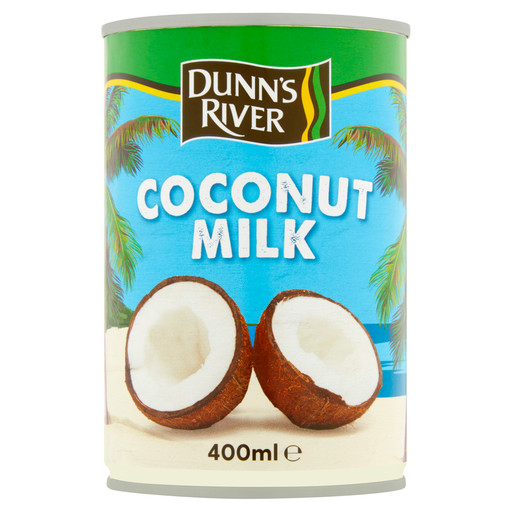 No image available
A 400ml cooking milk to consider for coconut-based puddings or other dessert recipes. Check the current pack’s ingredients and precautionary statements against the child’s allergy plan. Its product description directs you to transfer leftovers to a non-metallic airtight container, refrigerate and use within two days.
 No image available
A 1L cooking coconut milk for recipes that use a larger quantity; plan how you will use the remainder after opening. Its product description says to refrigerate and use within three days. Check the current pack’s full allergen and precautionary statements for the child’s exclusions.
 No image available
A 400ml can to consider when a dessert or baking recipe calls for cooking coconut milk. Its product description identifies coconut as an allergen and says to transfer opened leftovers to a sealed container, refrigerate and use within three days. Check all ingredients and precautionary statements on the current pack.
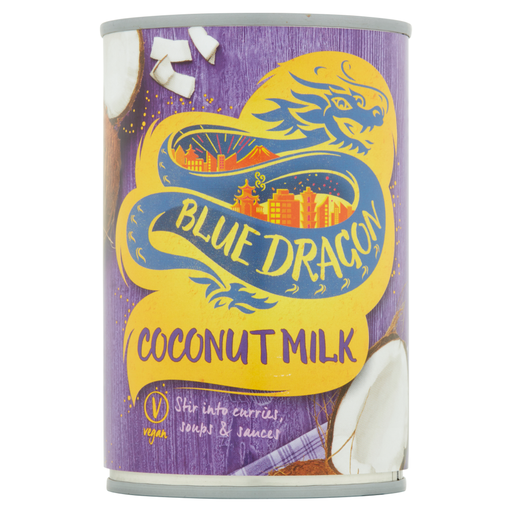 No image available
A 400ml cooking milk for sweet or savoury recipes. Its product description says it may contain nuts and peanuts: do not choose it if the child’s plan excludes products carrying those warnings. Check the current pack for all other relevant allergens; the description says to refrigerate after opening and use within two days.
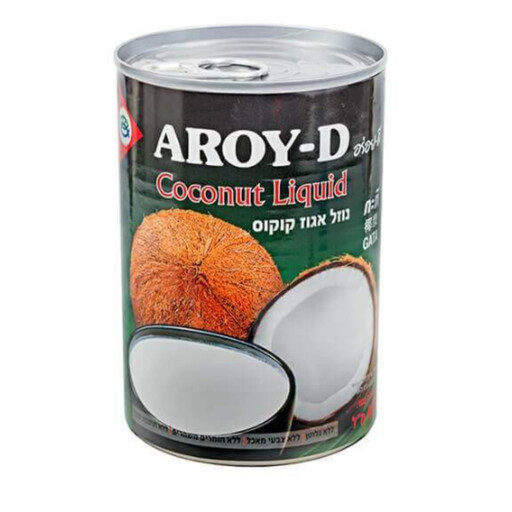 No image available
A 400ml cooking milk labelled 17% fat for sweet or savoury recipes. Its product description says it may contain traces of soya and milk: do not choose it if the child’s plan excludes products carrying those warnings. Check the current pack for other relevant allergens; the description says to refrigerate after opening and use within three days.
Do not decide from the word “coconut” alone. Anaphylaxis UK says there is no general recommendation that everyone with a tree-nut allergy should avoid coconut, but an individual child’s allergy plan, previous reactions or instruction to avoid coconut must guide the choice.
No. A coconut drink is made for pouring, while tinned cooking milk is a richer recipe ingredient. For example, Alpro UK lists 5.3% coconut milk in Coconut Original Drink, whereas Tesco Groceries lists 51% coconut extract in its tinned Coconut Milk; follow the format your snack recipe requires.
Follow the exact product’s storage label. Tesco Groceries lists five days after opening for the chilled Koko drink and two days for Tesco tinned Coconut Milk; Sainsbury’s lists three days for its tinned Coconut Milk. Refrigerate and transfer leftovers as the relevant pack directs.
No. Those terms do not establish whether a product meets soya, nut, gluten, sesame or other exclusions. Read the current ingredients and precautionary statements against the child’s allergy plan, even if the product also carries a free-from claim.