Older adults using coconut in cooked meals
A block or can may suit soups, curries and sauces. Choose the format and portion for the recipe, and check saturates per 100 g or 100 ml rather than treating it as a milk-style drink.


Choose a creamed-coconut block for measured cooking, canned coconut milk when you want a ready-to-use cooking ingredient, or a fortified coconut drink when you need a pourable dairy alternative with declared calcium and vitamin D. None is a complete nutrition solution for an older person: check protein and saturates on the exact pack, and seek professional advice if there is unintentional weight loss.
A block or can may suit soups, curries and sauces. Choose the format and portion for the recipe, and check saturates per 100 g or 100 ml rather than treating it as a milk-style drink.
If a pourable coconut drink is the aim, check the exact carton for calcium, vitamin D and protein. Fortification and protein content differ between products.
A creamy ingredient is not a substitute for assessing an older person’s nutritional needs. NICE guidance includes weight and the trend in unintentional weight loss in adult-malnutrition assessment.
Decide first whether the coconut product is for cooking or pouring. Then compare the nutrition label, portion and storage instructions for that use.
| Priority | What to check | Your needs |
|---|---|---|
| Format | A creamed-coconut block is a solid cooking ingredient; canned coconut milk is ready to add to a recipe. Check a carton separately if you want a pourable, fortified drink. | I’m making a sauce or soup, rather than replacing the drink I pour with meals. |
| Declared nutrients | Check calcium, vitamin D and protein per 100 ml on a drink carton. Alpro UK lists 120 mg calcium, 0.75 µg vitamin D and 0.1 g protein per 100 ml for Coconut Original; Koko Dairy Free lists 170 mg calcium, 1.2 µg vitamin D2 and 1.2 g protein per 100 ml for Super Milk. | For a dairy-free drink, I want to know which nutrients the carton actually declares, especially if protein is important elsewhere in the meal. |
| Saturates and portions | Compare figures on the same stated basis. Tesco Groceries lists 5.2 g saturates per 100 ml for Tesco Light Coconut Milk and 12 g per 100 ml for Pride Coconut Milk; Waitrose & Partners lists 58 g per 100 g for Blue Dragon Creamed Coconut Block. A block’s per-100 g value is not a per-100 ml prepared-drink value. | I want to measure what goes into the dish instead of judging a block and a can by their pack sizes alone. |
| Poor intake | Look at the whole meal, not just its coconut ingredient. If there is unintentional weight loss, seek an assessment; NICE guidance includes weight and weight-loss trends in adult-malnutrition assessment. | Someone I shop for is eating less or losing weight, so I need advice about their overall intake rather than a single food swap. |
| Storage and allergens | Read the current pack’s allergen and after-opening instructions. Tesco Groceries states that opened Pride Coconut Milk should be refrigerated and used within 3 days. | A smaller cooking portion may be useful if we are unlikely to finish an opened can within its stated period. |
A cooking block, a can and a fortified drink are not interchangeable ways to meet a nutritional need.
Choose by intended use first, then read the exact pack for protein, calcium, vitamin D, saturates and allergens.
Adding a creamy ingredient to food does not establish that someone’s overall nutritional needs are being met.
If an older person is losing weight unintentionally or eating much less, seek an assessment and individual advice rather than relying on a grocery purchase.
Tesco Groceries says its Light Coconut Milk has 50% less fat than Tesco standard coconut milk, but its label also lists 0.4 g protein per 100 ml. Lower fat describes that comparison, not the nutritional suitability of a whole meal.
Choose light or regular canned milk for the recipe and the person’s overall eating needs; check the full label.
Leftover canned coconut milk may have a short refrigerated use period; Tesco Groceries specifies 3 days after opening for Pride Coconut Milk.
Check the current pack, refrigerate leftovers as directed and choose a size the household can use.
An unfinished can may have to be discarded once its stated after-opening period has passed.
These examples show how particular products differ by format and label; a brand name alone does not establish nutritional suitability.
The Creamed Coconut Block is a solid cooking option; Waitrose & Partners lists the pack at 200 g.
Coconut Original is a pourable drink, rather than canned coconut milk for cooking.
Super Milk is a coconut-based drink with declared added nutrients.
Tesco Light Coconut Milk is a 400 ml canned option for cooking.
Pride Coconut Milk is a standard 400 ml cooking can.
These options cover a creamed-coconut block and canned coconut milks for cooking, including a reduced-fat can. If the intended use is a fortified drink, check a drink carton’s own label for calcium, vitamin D and protein.
 No image available
A block option for adding measured amounts of coconut to cooked dishes. The pack is 200 g; check the amount your recipe calls for and the current nutrition label if saturates or protein matter to your choice.
 No image available
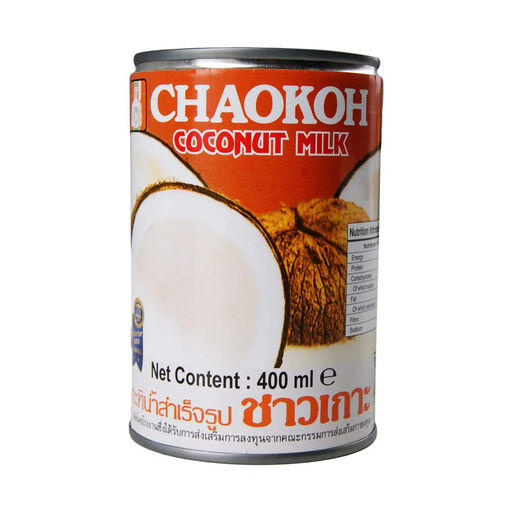
A tinned option when you want coconut milk ready to add to cooking rather than a block to prepare. Plan for leftovers: the supplied handling advice calls for refrigeration and use within two days after opening.
 No image available
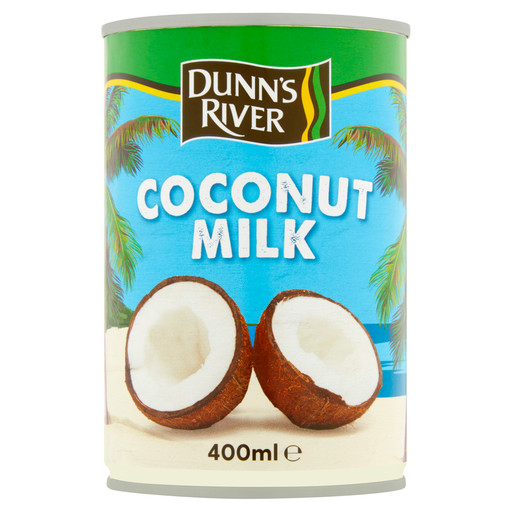
A canned cooking option for curries, soups or desserts, rather than the block format. Check the current pack for allergen information; the supplied handling advice calls for refrigeration and use within two days after opening.
 No image available
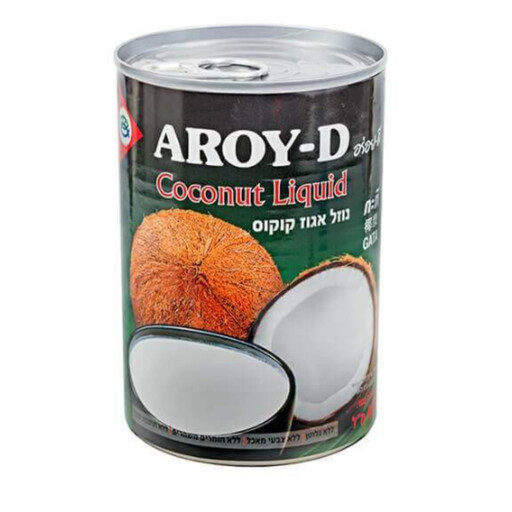
A 400 ml canned cooking option labelled 17% fat. Check the current pack for allergens and refrigerate opened contents as directed; the supplied handling advice says to use them within three days.
 No image available
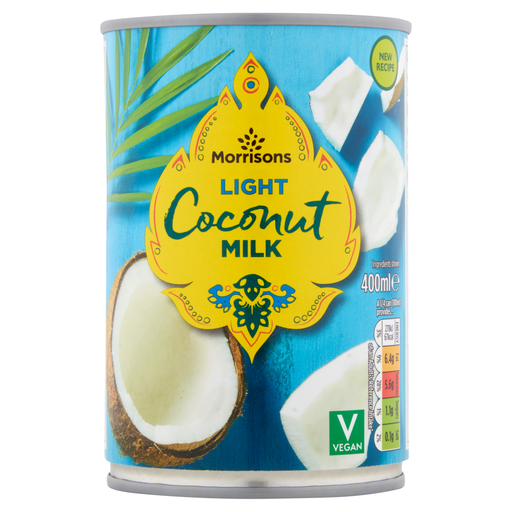
A reduced-fat canned option when that is what the recipe calls for. Compare its full nutrition label with the meal’s other ingredients rather than assuming reduced fat answers every nutritional need; refrigerate and use opened contents within the stated two days.
No. A creamed-coconut block is a solid cooking ingredient, while a coconut drink is made to pour. Check a drink’s own label if calcium or vitamin D fortification is the reason for buying it.
Do not assume they provide the same protein. Alpro UK lists 0.1 g protein per 100 ml for Coconut Original, and Koko Dairy Free lists 1.2 g per 100 ml for Super Milk. Check the chosen product and consider protein in the rest of the meal.
Check fortified drink cartons rather than assuming a cooking can or block has those nutrients added. Alpro UK lists 120 mg calcium and 0.75 µg vitamin D per 100 ml for Coconut Original; Koko Dairy Free lists 170 mg calcium and 1.2 µg vitamin D2 per 100 ml for Super Milk.
Follow that can’s instructions. For Pride Coconut Milk, Tesco Groceries says to refrigerate after opening and use within 3 days; another product’s directions may differ.
Seek individual assessment rather than relying on coconut milk as a nutrition solution. NICE guidance includes weight and the trend in unintentional weight loss in adult-malnutrition assessment; a GP or appropriate healthcare professional can advise on the next step.