Late-night curry, soup or sauce cooks
If the recipe calls for a cooking ingredient, look for coconut milk described for that dish rather than selecting a coconut drink by carton size.


For a late-night curry, soup or sauce, choose coconut milk sold for cooking rather than assuming a larger coconut drink will serve the same purpose. If four UK pints is the total amount your recipe needs, six 400 ml cans provide 2.4 litres—slightly more than four UK pints, or approximately 2.273 litres. Compare standard and reduced-fat products using their exact labels, and check the pack size rather than assuming one four-pint bottle is available.
If the recipe calls for a cooking ingredient, look for coconut milk described for that dish rather than selecting a coconut drink by carton size.
Four UK pints is approximately 2.273 litres. Decide whether you need that total volume or specifically one large pack before working out how many smaller packs to buy.
Check the exact product’s fat and saturates values, along with the recipe’s intended format, instead of treating every tin labelled coconut milk as the same formulation.
Start with the recipe’s intended product type and volume; then compare formulations and the instructions for any leftovers.
| Priority | What to check | Your needs |
|---|---|---|
| Cooking or drinking | Check whether the product is described for curries, soups or sauces, or instead for drinking and cereal. Read the ingredients if the recipe specifies culinary coconut milk. | My supper needs coconut milk intended for cooking, not a larger drink carton chosen just for its volume. |
| Enough volume | Read the volume on each pack and calculate the total before ordering. Six 400 ml packs provide 2.4 litres; five provide 2 litres, less than four UK pints. | For a batch needing roughly four UK pints, I can use smaller cooking packs if a single large pack is not essential. |
| Formulation | Compare the exact standard or reduced-fat designation and the nutrition panel. Check whether fat and saturates are stated per 100 g or per 100 ml before comparing figures. | I want the cooking format my recipe calls for while choosing between standard and reduced-fat versions using their labels. |
| Leftovers and labels | Check the opened-pack refrigeration and use-by instructions. Read the current ingredients and allergy statement on the pack where these matter. | If I open more than the recipe uses, I need to know how to store the remainder and when to use it. |
Carton size does not establish that a drink is interchangeable with cooking coconut milk. The Rude Health chilled drink listed by Waitrose is a rice-and-coconut drink, while culinary products are described for dishes such as curries and soups.
Choose the product type specified by the recipe, then calculate how much of it you need.
A 400 ml cooking pack is well short of four UK pints on its own; buying five gives 2 litres, below a four-pint target.
If total volume is what matters, six 400 ml packs give 2.4 litres. Check the size of the exact packs you plan to buy.
Formulations differ by product. Marks & Spencer lists 9.3 g fat and 8.2 g saturates per 100 g for its Reduced Fat Coconut Milk; those figures should not be applied to other tins.
Compare the nutrition panels of the particular products you are considering, using the same stated unit.
Leftover coconut milk may need transferring and refrigerating. Sainsbury’s instructions for KTC Coconut Milk say to use it within two days of opening.
Follow the instructions on your own pack rather than assuming every product has the same opened life.
These examples help distinguish cooking products from drinks; a brand’s inclusion here does not indicate that its products appear in the Joybuy selection below.
Tesco Groceries lists own-label 400 ml Coconut Milk and Light Coconut Milk.
Sainsbury’s lists a 400 ml own-label coconut milk with 68% coconut extract.
Marks & Spencer lists 400 ml Coconut Milk for dishes including curries and soups, alongside a 400 ml Reduced Fat Coconut Milk.
Waitrose & Partners lists 400 ml Essential Coconut Milk with 60% coconut extract and Kingfisher Oriental Coconut Milk in a 400 ml pack.
Koko describes its Cuisine Coconut Milk as a cooking product supplied in a resealable pack.
Alpro lists a 1-litre UHT coconut product and a 750 ml chilled coconut product in its barista range.
These are 400 ml coconut milk options for cooking a late supper or assembling a larger total volume from several packs. None is a single four-pint pack.
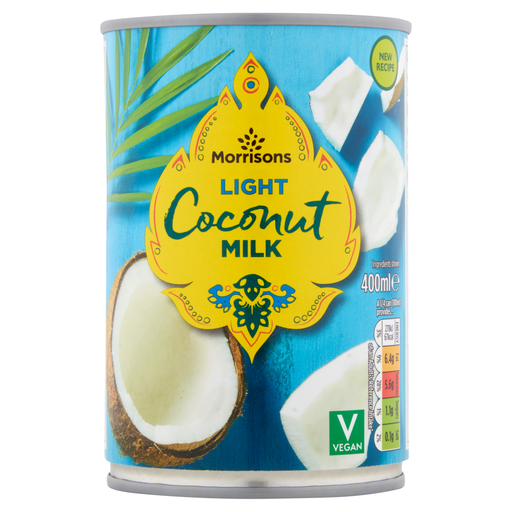 No image available
A reduced-fat cooking option to consider for a curry or soup. The 400 ml can can contribute to a multi-pack batch; check its current label for opened-pack storage instructions.
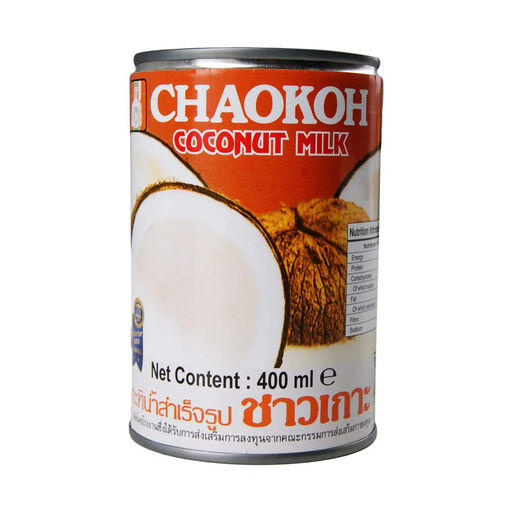 No image available
A tinned coconut milk option for cooking or baking. Allow for multiple 400 ml tins if the recipe needs around four UK pints, and check the pack’s storage and allergy information.
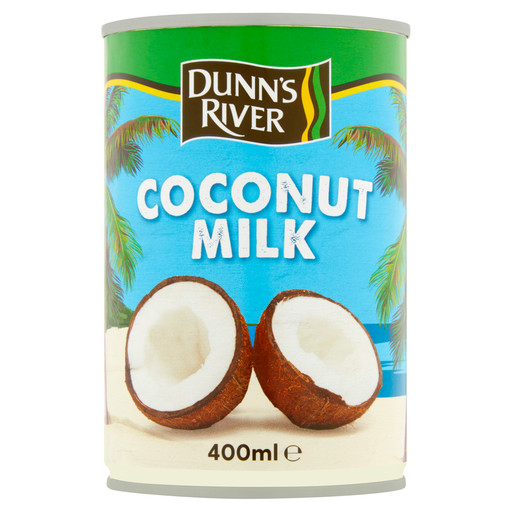 No image available
A 400 ml coconut milk option for a curry, soup or stew. One pack is only part of a four-UK-pint volume plan; follow the current pack instructions for any leftovers.
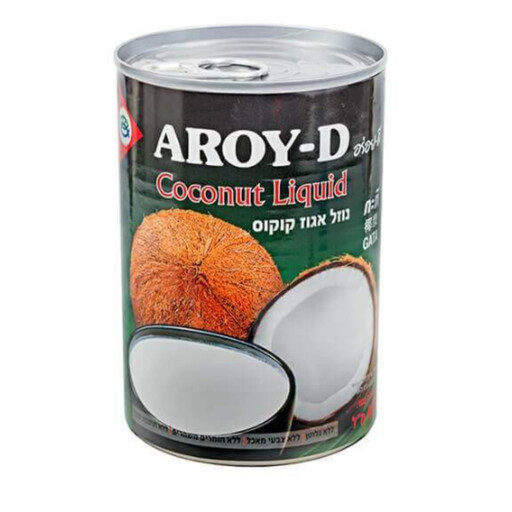 No image available
A cooking coconut milk option for dishes such as curry or laksa. Its title specifies 17% fat and a 400 ml pack; check the current label and use several packs if the recipe needs around four UK pints.
 No image available
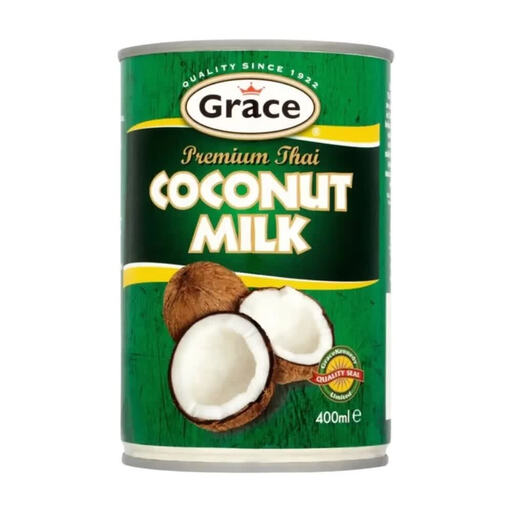
A 400 ml cooking coconut milk option for a curry, soup or sauce. Work out the number of packs from the recipe’s required volume and read the current nutrition and opened-pack storage labels.
Not if four UK pints describes the total amount your recipe needs: you can calculate that volume from smaller cooking packs. Check an individual product listing if you specifically require one bottle, rather than assuming “four pint” is its pack size.
Six packs provide 2.4 litres, slightly more than four UK pints, which is approximately 2.273 litres. Five packs provide 2 litres and fall short.
Do not assume they are interchangeable. Check whether the recipe calls for culinary coconut milk: the Rude Health chilled product listed by Waitrose is a rice-and-coconut drink, whereas the cooking products described by retailers are intended for dishes such as curries and soups.
Follow the instructions on the exact pack and refrigerate leftovers where directed. Sainsbury’s instructions for KTC Coconut Milk specify transferring opened contents to a suitable non-metallic container and using them within two days; other products may give different instructions.
Read the current package label for the product you will use, particularly if an ingredient or allergy warning matters to your meal. Do not assume the label is identical across brands or formulations.