Hosts serving someone with a food allergy
Check the exact allergen the guest avoids against the current pack’s ingredients and precautionary wording. Coconut-based, vegan and dairy-free descriptions do not answer that question on their own.


For an Easter lunch involving a food allergy, choose cooking coconut milk by checking the current pack for the guest’s specific allergen in both the ingredients and any precautionary warning; a vegan label or short ingredient list is not an allergen-free guarantee. For the recipe itself, consider standard coconut milk when richness matters, or compare light versions when lower declared fat matters more, allowing for a possible change in texture.
The choice depends on both the dish you are making and whether a guest needs to avoid a named allergen.
Check the exact allergen the guest avoids against the current pack’s ingredients and precautionary wording. Coconut-based, vegan and dairy-free descriptions do not answer that question on their own.
Coconut milk can be considered for a curry, soup or sauce without dairy cream. If a guest has a milk allergy, also check the pack for milk in the ingredients and in any precautionary statement.
Compare the fat and saturated-fat declarations alongside the recipe’s need for body. A light version may give a different texture from the standard version.
Start with the guest’s named allergen, then compare the cooking format and nutrition label against the dish you plan to serve.
| Priority | What to check | Your needs |
|---|---|---|
| Named allergens | Read the current pack’s full ingredients and any “may contain” or other precautionary statement. Check the wording against each allergen the guest avoids. | I need to know whether this particular pack is suitable for my guest, not just whether coconut milk sounds free from their allergen. The Food Standards Agency explains that precautionary labelling signals possible unintended presence of a named regulated allergen. |
| Milk avoidance | Check for milk in both the ingredient list and precautionary wording; do not substitute a vegan description for either check. M&S advises checking the product label because allergen information can change. | A non-dairy ingredient may work in my sauce, but a milk-allergic guest needs a product-specific label check before I use it. |
| Standard or light | Compare fat and saturated fat on the same per-100-ml basis, as well as the recipe’s desired texture. Sainsbury’s lists 40% coconut extract, 5.6 g fat and 4.9 g saturates per 100 ml for its light coconut milk; its standard listing gives 68% coconut extract. | For a curry or dessert where body matters, I would consider standard coconut milk. If I prefer a lower-fat base, I would check whether a light version gives the texture the dish needs. |
| Pack size and leftovers | Match the pack size to the recipe, then follow that pack’s instructions for storing and using any opened remainder. | A smaller pack may suit one dish; for a larger Easter menu, I would plan how to use any coconut milk left after cooking. |
A product intended for a dairy-free recipe can still carry a warning relevant to another allergy. Sainsbury’s listings for Blue Dragon standard and light coconut milk both say they may contain peanuts and nuts.
Ask which allergens the guest avoids, then check the current pack for those names before using it.
Standard and light versions can have different coconut-extract proportions and fat declarations. That difference may matter in a sauce or dessert that relies on coconut milk for body.
Compare the labels and consider the intended consistency before making the swap.
Retailers including M&S and Waitrose warn that product information or recipes can change. A listing cannot settle what is printed on the pack you will cook with.
Check the pack in hand immediately before preparing the meal. If its wording does not meet the guest’s requirements, choose another product.
Opened packs have storage instructions and a limited period for using the remainder.
Choose pack sizes around the dishes you are making, and follow each pack’s directions for refrigerating and using leftovers.
These retailer listings offer ingredient and format points to compare; none replaces the label check on the pack being served.
Sainsbury’s lists both standard and light own-label cooking coconut milk, making it possible to compare variants within one range.
The M&S 400 ml coconut milk listing names coconut extract (60%) and water.
Waitrose Essential Coconut Milk is a 400 ml cooking option listed with coconut extract (60%), water and guar gum.
These cooking coconut milks include standard, smaller-pack and reduced-fat options for Easter dishes. For any guest with an allergy, make the final choice from the current pack’s ingredients and precautionary wording.
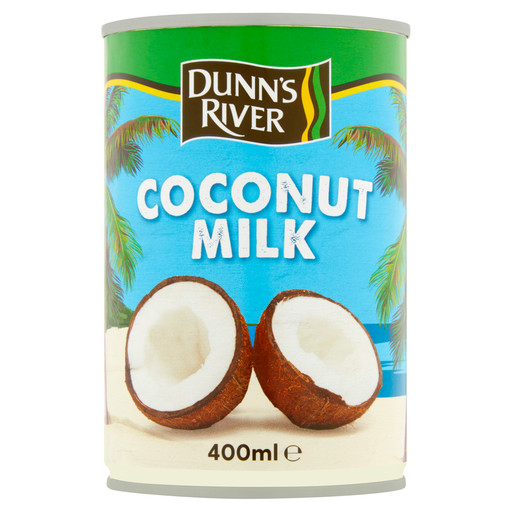 No image available
A 400 ml option to consider for a curry, soup or coconut dessert. Check the current can for the guest’s named allergen and any precautionary warning; an allergen entry of “None” in product information does not establish cross-contact status. After opening, transfer the remainder to a non-metallic airtight container, refrigerate and use within two days.
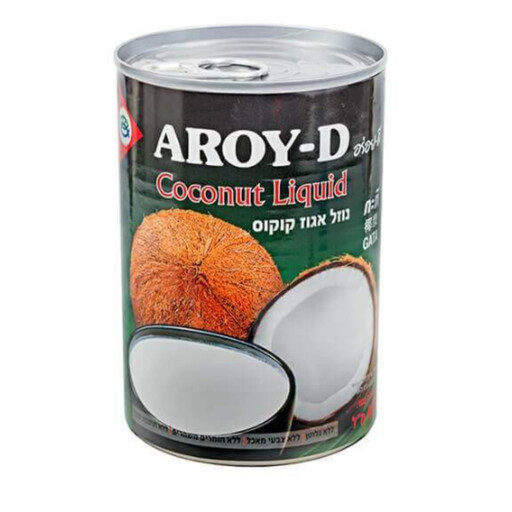 No image available
A 400 ml cooking option labelled 17% fat. Its product information warns of possible traces of soya and milk, making that warning particularly important for guests avoiding either allergen. Check the current can for all relevant wording; refrigerate after opening and use within three days.
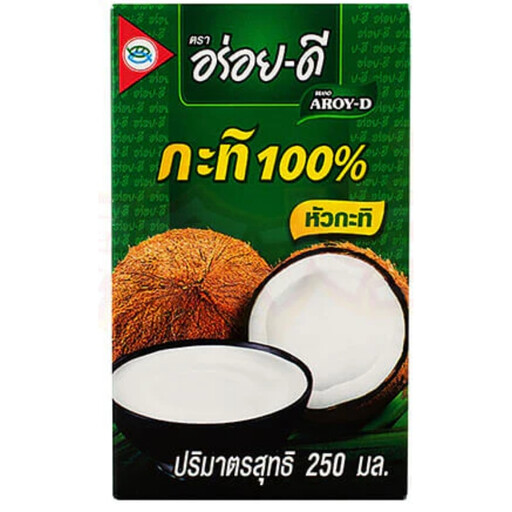 No image available
The 250 ml carton is worth considering when a smaller recipe calls for coconut milk. Its product information identifies coconut as an allergen; check the current carton for the guest’s other named allergens and any precautionary wording. Refrigerate after opening and use within two days.
 No image available
The 1 L pack may suit a menu using coconut milk in more than one dish. Check its current label for the guest’s named allergens and precautionary wording, and plan for any remainder: refrigerate after opening and use within three days.
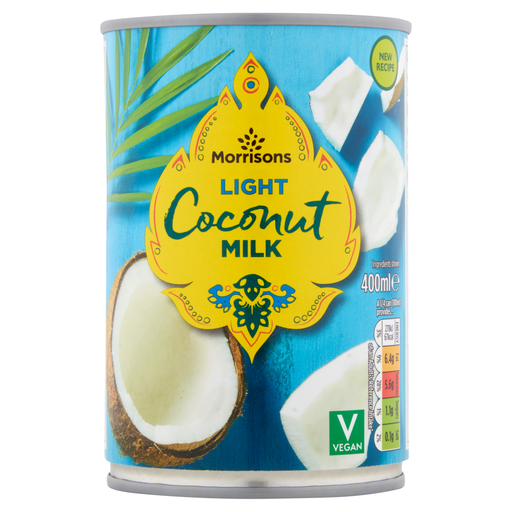 No image available
A 400 ml reduced-fat option to compare when the recipe does not depend on the texture of standard coconut milk. Check the current can’s allergen and precautionary wording before serving an allergy-affected guest. Follow the pack’s instructions for refrigerated leftovers.
No. Check the current pack against the person’s specific allergy, including any precautionary wording. Sainsbury’s listings for Blue Dragon standard and light coconut milk, for example, both say they may contain peanuts and nuts.
No. Vegan positioning does not replace a check for milk in the ingredients and precautionary wording of the specific pack. M&S and Waitrose advise shoppers to check current packaging because product information can change.
Consider standard coconut milk when the dish relies on a fuller coconut-milk texture; compare light versions when lower declared fat matters more, bearing in mind that the result may differ. Sainsbury’s lists 40% coconut extract, 5.6 g fat and 4.9 g saturates per 100 ml for its light version, so compare the exact products’ labels rather than assuming every standard or light version is alike.
Use the webpage to shortlist products, but check the pack you will serve before cooking. Sainsbury’s, M&S and Waitrose caution that ingredients or allergen information can change.