What should you check first?
Decide whether you need an ingredient for food or a main milk drink before comparing coconut products. The same name can appear on culinary milk and cartoned drinks with different uses.
| Priority |
What to check |
Your needs |
| Main drink before 12 months |
Keep breast milk or infant formula as the main drink. For a baby needing milk-free formula, follow the healthcare professional’s advice; a coconut drink is not its replacement. |
I need an ingredient for meals without changing my baby’s usual milk feeds. |
| Product type |
Check whether the pack is culinary coconut milk, coconut cream or a cartoned drink. Read its intended use and nutrition panel rather than relying on the words “coconut milk”. |
A recipe calls for coconut flavour, so I want to choose a cooking ingredient rather than mistake a drink for one. |
| Ingredients and allergens |
Read the current ingredient list and allergen information. The NHS advises introducing foods that can trigger allergic reactions one at a time in very small amounts from around 6 months, so reactions can be spotted. |
If my child must avoid milk or another allergen, I need to check this exact pack against their feeding plan. |
| Culinary nutrition |
Check saturated fat per 100ml and the quantity used in the recipe. Tesco Ingredient Coconut Milk lists 15.8g saturates per 100ml, while Koko Cuisine Coconut Milk lists 15.7g per 100ml; these figures describe those products, not every coconut milk. |
I want coconut in a meal without treating a rich cooking product as an everyday large-volume drink. |
| Drink after age 1 |
Compare unsweetened status, calcium, iodine, vitamins D and B12, protein and energy per 100ml. NHS North West Knowledge Now notes that some coconut-based drinks are very low in energy and protein. |
Once my child is over 12 months, I need to judge a possible main drink by more than its dairy-free claim. |
Brand and retailer references
These examples show why the exact product matters; a brand name alone does not establish a suitable use during weaning.
Alpro
Alpro Coconut Original is a cartoned coconut drink, distinct from culinary coconut milk.
- Alpro’s Coconut Original specifications list 120mg calcium and 0.1g protein per 100ml.
- Those Coconut Original figures do not describe every Alpro variant or make a coconut drink a replacement for infant formula.
Koko
Koko Cuisine Coconut Milk is a cooking product; check the exact name rather than assuming it is a cartoned milk alternative.
- Koko Dairy Free lists 25% coconut extract for its Cuisine Coconut Milk.
- The same product lists 15.7g saturated fat per 100ml, making the recipe quantity worth checking.
Tesco
Tesco listings include both culinary coconut milk and cartoned coconut drinks.
- Tesco Ingredient Coconut Milk is a 400ml culinary product listing 59% coconut extract.
- Tesco advises reading the current label because ingredients, nutrition and allergen information can change.
Sainsbury’s
Sainsbury’s lists a 400ml own-label culinary coconut milk.
- Its product instructions say to refrigerate after opening and use within 3 days.
- Read the current label for ingredients and allergens rather than relying on a previously viewed listing.
Waitrose
Waitrose groups standard and reduced-fat coconut milk alongside coconut cream in its category range.
- The range makes it possible to distinguish milk from cream when choosing a recipe ingredient.
- A category name does not establish an individual product’s ingredients, fortification or role in infant feeding.
Coconut products for food use
These Joybuy options include culinary coconut milk and a cartoned coconut drink to consider for food use. None should replace breast milk or infant formula as a baby’s main drink before 12 months; check the current pack and your recipe before choosing.
 No image available
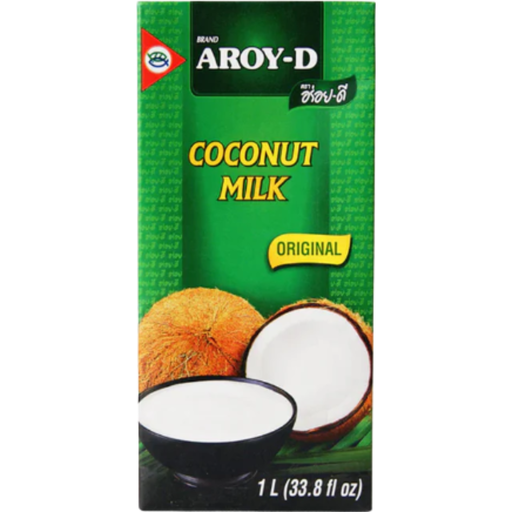
AROY-D Original Coconut Milk 1L carton
A 1L carton to consider when a recipe calls for culinary coconut milk. Check the current ingredients and allergen information, particularly if your child follows a milk-free feeding plan, and use it as a food ingredient rather than a main milk drink.
View on Joybuy
 No image available
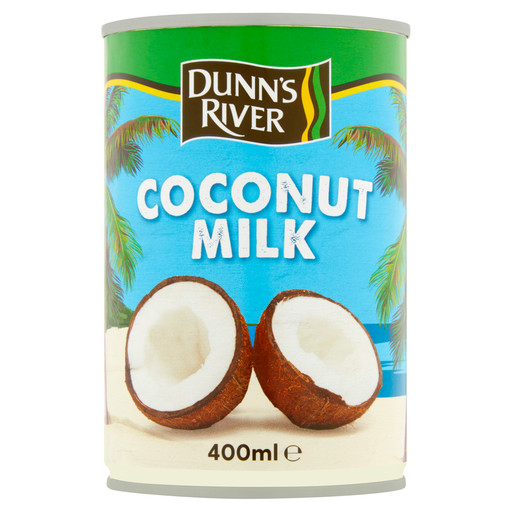
Dunns River Coconut Milk 400ml
A 400ml coconut milk option for cooked dishes. Check the pack’s ingredients, allergen information and opened-pack storage instructions; it is not a substitute for an infant’s usual milk feeds.
View on Joybuy
 No image available
Alpro Barista Coconut Long Life Drink 8 × 1L
This is a cartoned coconut drink rather than culinary coconut milk. If considering it for food, check its current ingredients, allergens and suitability for the recipe; do not use it as an infant’s main milk drink. Specifications for Alpro Coconut Original should not be assumed to apply to this Barista variant.
View on Joybuy
Questions about coconut milk and weaning
Can I use coconut milk in food when my baby starts weaning?
From around 6 months, plant-based alternatives can be used for cooking or mixed into food unless a dietitian advises otherwise, according to Frimley Health NHS Foundation Trust. Use culinary coconut milk as a recipe ingredient, not as the baby’s main milk drink; breast milk or infant formula remains the main drink until 12 months.
Can a dairy-free coconut drink replace formula before age 1?
No. A supermarket coconut drink is not a replacement for breast milk or infant formula before 12 months. If a baby needs milk-free formula because of cow’s milk protein allergy, follow advice from their healthcare professional about the appropriate infant formula.
What should I check on a coconut drink after my child turns 1?
Check whether it is unsweetened and compare calcium, iodine, vitamins D and B12, protein and energy per 100ml. NHS North West Knowledge Now notes that some coconut-based drinks are very low in energy and protein, so a dairy-free label alone cannot establish their suitability as a main drink.
Is a “dairy-free” label enough for a child with cow’s milk protein allergy?
No. Check the current ingredients and allergen information for the exact product and follow the child’s clinical feeding plan. The NHS advises avoiding a food if you are unsure whether it contains an ingredient your child is allergic to.
How long can I keep coconut milk after opening it?
Follow the instructions on the particular pack. Tesco Ingredient Coconut Milk says to transfer unused contents to a covered, non-metallic container, refrigerate and use within 2 days; Sainsbury’s Coconut Milk says to refrigerate after opening and use within 3 days.


