What matters when choosing for a bake?
Match the coconut product to the liquid or culinary ingredient named in the recipe, then compare the label details that could change the result or its suitability.
| Priority | What to check | Your needs |
|---|
| Product format |
Check whether the recipe calls for liquid milk, culinary coconut milk or cream. For an indication of how different products can be, Tesco lists 1.4 g fat per 100 ml for Koko Unsweetened drink, while Koko Dairy Free lists 17.4 g per 100 ml for Koko Cuisine Coconut Milk. Dr. Oetker UK also notes that a thinner coconut product can affect bake texture. |
My recipe calls for ordinary milk, so I need a pourable drink rather than assuming a culinary coconut milk will work the same way. |
| Sweetness and flavour |
Compare sugars per 100 ml and read the ingredients. Tesco lists 0.2 g sugars per 100 ml for Koko Unsweetened; Sainsbury’s lists 1.7 g per 100 ml for its Sweetened Long Life Coconut Drink. Dr. Oetker UK notes that coconut flavour can carry through to a bake. |
If the recipe already measures its sugar, I want to know what the coconut drink adds. A noticeable coconut flavour also needs to suit what I am making. |
| Ingredients and allergens |
Read the current ingredients and allergy advice, including precautionary warnings. Tesco lists Koko Unsweetened as free from soya; Sainsbury’s lists soya in Alpro Barista Coconut and warns that its own-label sweetened drink is unsuitable for customers with a soya allergy because of manufacturing methods. |
I need the particular variant, not just the word “coconut”, to meet my ingredient or allergy requirements. |
| Storage |
Look for a UHT or long-life designation if unopened cupboard storage matters. Follow that product’s instructions after opening: Tesco says to refrigerate Koko Unsweetened and consume it within five days. |
When I buy ahead for baking, I want to check both how to store the unopened product and when to use the remainder. |
Brand and range references
These examples show why the exact variant matters; a brand name alone does not identify a product’s ingredients or baking role.
Koko
Koko has both a milk-style long-life coconut drink and a separate culinary coconut milk.
- Tesco lists Koko Unsweetened drink at 0.2 g sugars and 1.4 g fat per 100 ml, and labels it free from soya.
- Koko Dairy Free lists 17.4 g fat per 100 ml for Koko Cuisine Coconut Milk. Do not treat it as the same ingredient as the unsweetened drink; check the current pack before use.
Alpro
Its long-life coconut-drink variants include No Sugar and Barista Coconut, with different ingredient considerations.
- Sainsbury’s describes Alpro Coconut No Sugar as containing no sugars or sweeteners and suggests it for pancakes.
- Sainsbury’s lists soya in Alpro Barista Coconut. Do not use the No Sugar and Barista names as a substitute for checking each pack’s ingredients.
Sainsbury’s
Its own-label Sweetened Long Life Coconut Drink is a UHT carton drink rather than a culinary coconut milk.
- Sainsbury’s lists 1.7 g sugars per 100 ml and ingredients including coconut milk, rice and corn starch, giving bakers specific details to compare with their recipe.
- The listing warns that it is unsuitable for customers with a soya allergy because of manufacturing methods. Check the current pack’s full allergy advice.
Joybuy coconut milk and cream options
These options cover culinary coconut milk, coconut cream and creamed coconut for recipes that call for a coconut ingredient rather than a milk-style drink. Check the format against your recipe before choosing.
 No image available
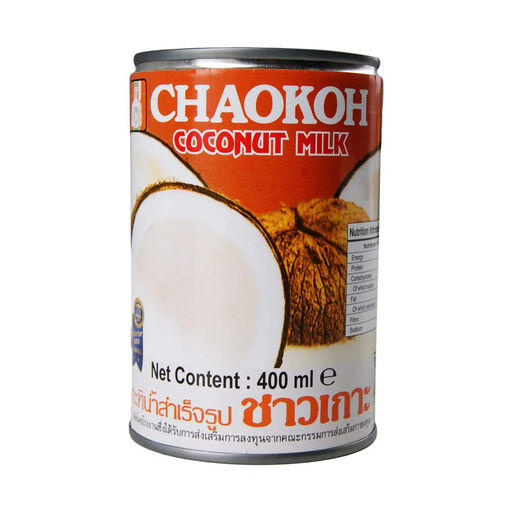
Chaokoh Coconut Milk, 400 ml tin
Consider this 400 ml tinned coconut milk when the recipe calls for culinary coconut milk, rather than assuming it is a direct swap for a pourable coconut drink. Check the pack’s nutrition panel if fat content matters to the recipe.
Joybuy
 No image available
Tropical Sun Coconut Milk Natural Tetra, 1 L
This 1 L coconut milk is an option when a recipe calls for a culinary coconut ingredient. Check the pack for its fat declaration and storage instructions; a tetra pack alone does not establish that a product is UHT or long-life.
Joybuy
 No image available
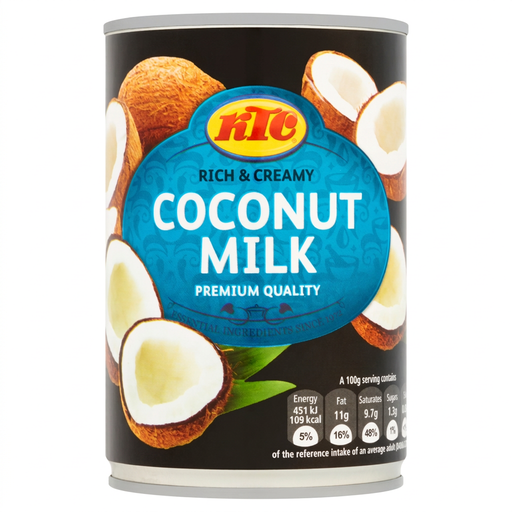
KTC Coconut Milk, 400 g
For a recipe calling for coconut milk as a culinary ingredient, this 400 g product is a different format from a milk-style drink. Compare its nutrition panel and ingredients with the requirements of a texture-sensitive bake.
Joybuy
 No image available
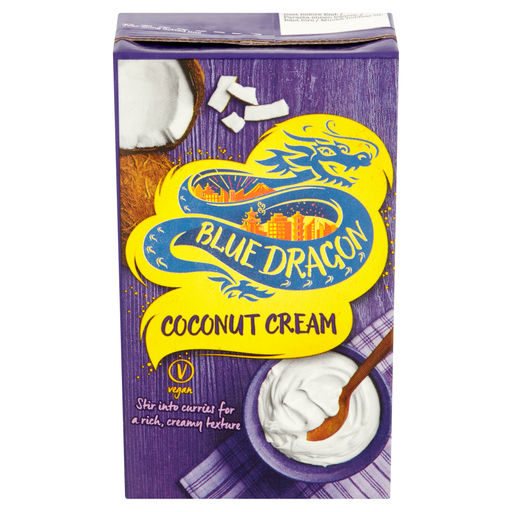
Blue Dragon Coconut Cream UHT, 250 ml
Choose a coconut cream only where the recipe calls for cream or accommodates a richer coconut ingredient, not as an assumed replacement for liquid milk. This is a 250 ml UHT product; check the current pack’s allergy advice, particularly if nuts or peanuts matter.
Joybuy
 No image available
Dunn’s River Creamed Coconut, 200 g
This 200 g creamed coconut is a block, not a ready-to-pour milk substitute. Use it for a bake whose instructions accommodate creamed coconut, and check how the recipe requires it to be prepared.
Joybuy
Questions about baking with coconut products
Does “filtered” tell me whether coconut milk is suitable for baking?
No: the word alone does not tell you whether the product is a pourable drink or a culinary coconut milk. Check the product type, ingredients, sugars and fat on the current pack, then match those details to the recipe.
Can I replace dairy milk with a long-life coconut drink in a cake or pancakes?
A pourable coconut drink is the closer type of ingredient when a recipe calls for liquid milk, but it may not give the same result. Dr. Oetker UK notes that coconut products can be thin and can alter a bake’s texture and flavour, so consider whether coconut flavour suits the recipe.
Should I buy a sweetened or unsweetened coconut drink?
Choose an unsweetened or no-sugars drink when you want to control the sugar added through the milk substitute. Check the particular pack: Tesco lists 0.2 g sugars per 100 ml for Koko Unsweetened, while Sainsbury’s lists 1.7 g per 100 ml for its Sweetened Long Life Coconut Drink.
Is a carton coconut drink the same as culinary coconut milk?
No. Tesco lists 1.4 g fat per 100 ml for Koko Unsweetened drink, while Koko Dairy Free lists 17.4 g per 100 ml for Koko Cuisine Coconut Milk. Follow the type of ingredient your recipe calls for rather than substituting one for the other without considering the formulation.
How do I check whether a coconut drink meets an allergy requirement?
Read the ingredients and allergy advice on the current physical pack, including precautionary statements. Coconut drinks are not all alike: Tesco lists Koko Unsweetened as free from soya, whereas Sainsbury’s lists soya in Alpro Barista Coconut.


