Bakers replacing dairy in creamy recipes
If coconut milk supplies body to a filling or dessert, distinguish concentrated coconut milk from a thinner coconut drink before substituting.


For creamy fillings and desserts, start with concentrated coconut milk whose ingredients and fat content suit the recipe. For pancakes or batters that call for a pourable milk-style liquid, consider an unsweetened coconut drink instead; do not assume it will give the same result as a tin. If you need to avoid an allergen, check the exact pack’s ingredients and precautionary wording.
If coconut milk supplies body to a filling or dessert, distinguish concentrated coconut milk from a thinner coconut drink before substituting.
Look for information about the allergens you need to avoid on the exact product. A vegan or plant-based description does not establish that every relevant allergen is absent.
When a recipe calls for a pourable milk-style ingredient, an unsweetened coconut drink may fit that role. Alpro suggests its Coconut No Sugar drink for pancakes, but that does not make it interchangeable with concentrated coconut milk.
Start with the job coconut milk has in the recipe, then check the exact product for ingredients, allergens and any instructions that affect measuring or storage.
| Priority | What to check | Your needs |
|---|---|---|
| Recipe texture | Compare the product format, coconut content and fat using the units on each label. Waitrose & Partners lists 60% coconut extract and 18.1 g fat per 100 ml for Essential Coconut Milk; Tesco lists 9% coconut milk and 1.4 g fat per 100 ml for Koko Unsweetened Alternative Drink. | I need a concentrated ingredient for a creamy filling, or a pourable drink to replace milk in a batter. I would choose by the ingredient’s role rather than swap the two formats without adjusting the recipe. |
| Allergen information | Read the current ingredients, allergen information and any “may contain” statement for the exact variant. Tesco’s listing names dairy, soya, nuts and gluten as exclusions for Koko Unsweetened Alternative Drink; Waitrose & Partners lists soya and a possible nut presence for Alpro Coconut Barista With Soya. | If I need to avoid milk, gluten, soya or nuts, a claim on another coconut product—even one from the same brand—does not answer the question for the pack I am buying. |
| Sweetness and flavour | Check whether the recipe calls for an unsweetened liquid and read the ingredients on the chosen pack. Sainsbury’s lists Alpro Coconut No Sugar Long Life Drink as having no sugars or sweeteners. | For a recipe that controls sweetness separately, I want to know what the coconut ingredient adds before changing the other ingredients. |
| Reduced-fat options | Compare the exact pack’s fat and coconut content with the recipe’s requirements. M&S describes its reduced-fat coconut milk as a lighter alternative, but that description does not establish the result of a substitution. | If I am considering a reduced-fat version, I need to know whether the recipe relies on the original ingredient’s richness or texture. |
The named Koko drink and Waitrose Essential tin have substantially different stated coconut content and fat values. A recipe that relies on concentrated coconut milk may therefore change in texture if a drink takes its place.
Check whether the recipe needs a creamy coconut ingredient or a pourable milk substitute before choosing the format.
Allergen information belongs to the exact product and variant. For example, Waitrose & Partners lists soya and a possible nut presence for Alpro Coconut Barista With Soya.
Match the current pack’s ingredients and precautionary statements to the allergens you need to avoid.
Some concentrated coconut milk can separate or solidify in cooler conditions, leaving liquid and thicker portions in the container.
Follow the product’s directions for shaking, stirring or warming before measuring it for a recipe.
Sainsbury’s and M&S advise that product ingredients and allergen information can change. An earlier listing may not describe the pack you use.
Read the pack when buying and again before baking, particularly if you have changed product or variant.
Its named tinned Coconut Milk is a concentrated option to consider when a recipe calls for coconut milk rather than a milk-style drink.
Its Rich And Creamy Coconut Milk is a tinned option described by Tesco for sweet and savoury dishes.
The named Unsweetened Alternative Drink is a pourable option for recipes calling for a milk-style liquid.
Its Coconut No Sugar drink is a milk-style option that Alpro suggests using in pancakes.
Its range includes tinned coconut milk and a reduced-fat option for recipes where those different formats are being considered.
These coconut milk cartons and tin are options to examine for baking recipes that call for coconut milk. Check each pack against your recipe and any specific allergen requirements.
 No image available
Consider this 1L coconut milk carton for a baking recipe that calls for coconut milk. Check the current pack’s ingredients and precautionary allergen information if you need to avoid a specific allergen.
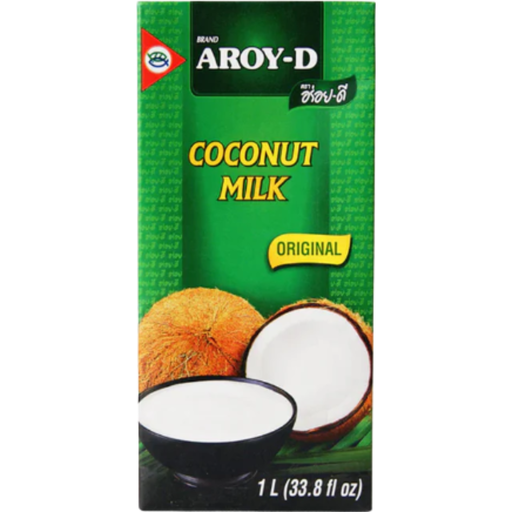 No image available
This 1L carton is another coconut milk format to compare with a recipe’s requirements. Read the exact pack for coconut content, ingredients and any precautionary allergen statement before using it in an allergen-restricted bake.
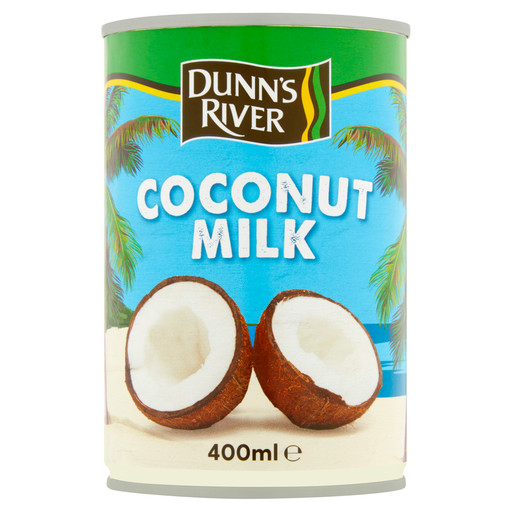 No image available
The 400ml format may suit a recipe calling for a tin of coconut milk. Check the current pack’s ingredients and precautionary allergen wording for the allergens relevant to your bake.
No. Waitrose & Partners lists 60% coconut extract and 18.1 g fat per 100 ml for Essential Coconut Milk, while Tesco lists 9% coconut milk and 1.4 g fat per 100 ml for Koko Unsweetened Alternative Drink. Check whether your recipe needs concentrated coconut milk for richness or a pourable milk-style liquid.
No. A vegan description does not establish all those exclusions. Tesco’s listing states them for the named Koko Unsweetened Alternative Drink, whereas Waitrose & Partners lists soya and a possible nut presence for Alpro Coconut Barista With Soya. Read the allergen information on the exact pack.
Follow that product’s pack instructions before measuring it. Some coconut milk can separate or solidify in cooler conditions; the pack may direct you to shake, stir or gently warm it.
The Food Standards Agency explains that precautionary allergen labelling communicates the possibility that a regulated allergen could be unintentionally present. Check whether the statement names an allergen you need to avoid, using the wording on the current pack rather than an older product listing.