What should you check?
Choose the format for the dish first, then compare products within that format using their ingredient, nutrition, allergen and storage labels.
| Priority | What to check | Your needs |
|---|
| Sauce texture |
For cooking cans, compare coconut-extract percentage and fat using the same stated unit. Tesco Groceries lists 51% extract and 15.0g fat per 100ml for its coconut milk; Sainsbury’s lists 68% and 14.8g per 100ml for its own product. Those figures alone do not rank how the sauces will turn out. |
I’m making a creamy sauce, marinade or grilled side, so I want a cooking product rather than a drink intended to be poured into a glass. |
| Cooking or drinking |
Check whether the label says cooking coconut milk or coconut drink. Tesco Groceries lists Koko Unsweetened drink at 9% coconut milk and 1.4g fat per 100ml; Alpro describes its no-sugar product as a coconut drink. |
For a drink or thin batter, a pourable coconut drink fits the use. If the coconut ingredient needs to give a BBQ sauce body, I’ll check cooking milk instead. |
| Reduced-fat choice |
Check the exact cooking product’s coconut content, fat value and ingredients before changing a sauce or glaze recipe. Waitrose & Partners lists separate Essential standard and reduced-fat coconut milks; the format name does not tell you how a particular recipe will turn out. |
I’d consider a reduced-fat cooking can if I’m willing to adjust expectations for the sauce’s texture, rather than treating it as an automatic swap for my usual can. |
| Allergens |
Read ingredients and precautionary allergen statements on the current pack. Sainsbury’s describes Alpro Barista Coconut as containing soya. The Food Standards Agency explains that “may contain” wording communicates possible unintended allergen presence. |
When serving someone with an allergy, I need to check the exact product—not rely on “dairy-free” to answer questions about other ingredients or possible traces. |
| Leftovers |
Match the pack quantity to the recipe and follow its storage instructions. Tesco Groceries and M&S state two days after opening for their cited cans; Sainsbury’s states three days for its cited can. The Koko drink listed by Tesco Groceries states five days after opening. |
If the BBQ uses only part of a pack, I want a plan for the remainder within that product’s refrigerated storage window. |
Joybuy coconut milk options
These are cooking coconut milks in cans and cartons for sauces and sides, including one reduced-fat can. Choose by the recipe’s quantity and the exact product label rather than treating every format as interchangeable.
 No image available
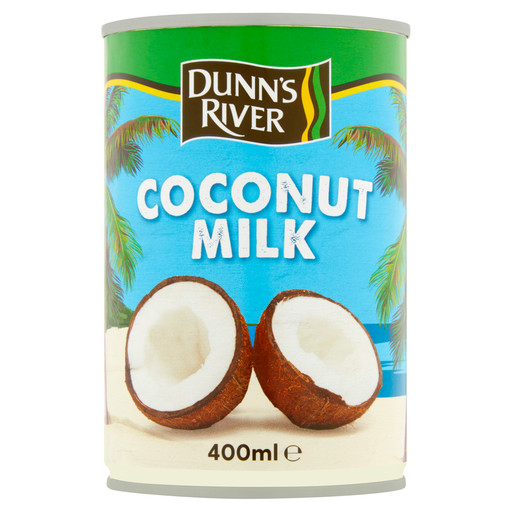
Dunns River Coconut Milk 400ml
A 400ml cooking can to consider when a sauce or side needs coconut milk rather than a drink. The listing states 60% coconut extract, 21g fat and 19g saturates per 100ml. It instructs users to transfer opened contents to an airtight container, refrigerate and use within two days; check the current pack’s allergen wording for guests.
View on Joybuy
 No image available
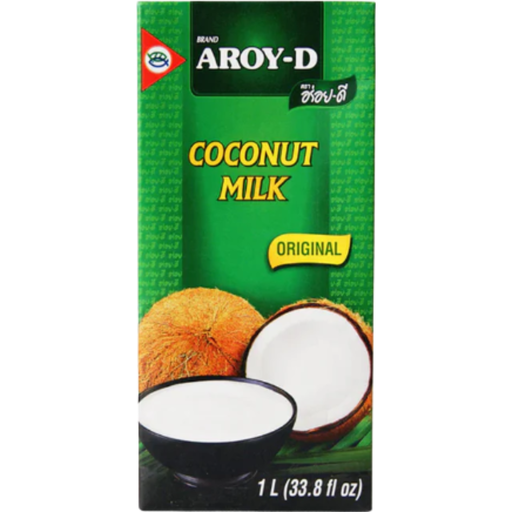
AROY-D Original Coconut Milk 1L Carton
This 1L cooking carton may suit a sauce or side that needs a larger quantity. The listing gives 18.5g fat per 100g and instructs users to refrigerate after opening and use within three days. Check how much the recipe calls for, along with the current pack’s ingredients and allergen wording.
View on Joybuy
 No image available
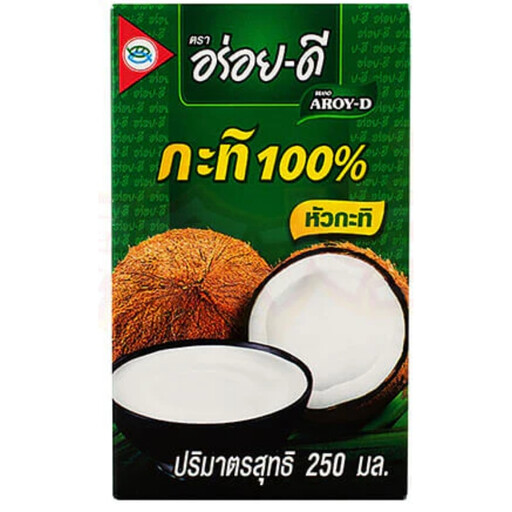
AROY-D Coconut Milk 250ml Carton
The 250ml cooking carton is an option when a smaller recipe needs coconut milk. Its listing states 18g fat per 100g and says to refrigerate after opening and use within two days. Check the current pack’s ingredients and allergen wording before serving guests.
View on Joybuy
 No image available
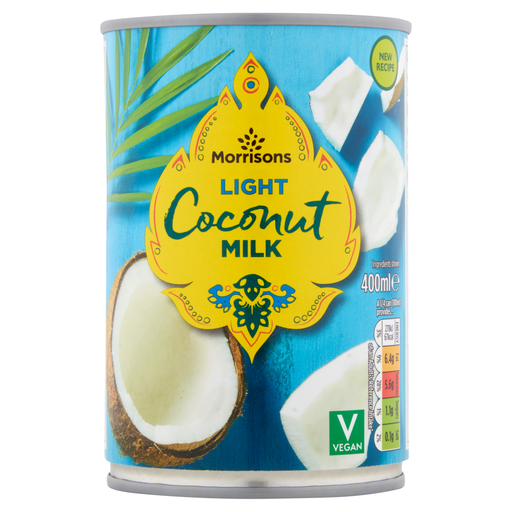
Morrisons Reduced Fat Coconut Milk 400ml
This reduced-fat cooking can is a different choice from a standard coconut milk when making a BBQ sauce or side. The listing states 23% coconut extract and 6.4g fat per 100ml; check whether that product suits the texture your recipe requires. It instructs users to transfer opened contents to a non-metallic container, refrigerate and use within two days.
View on Joybuy
 No image available
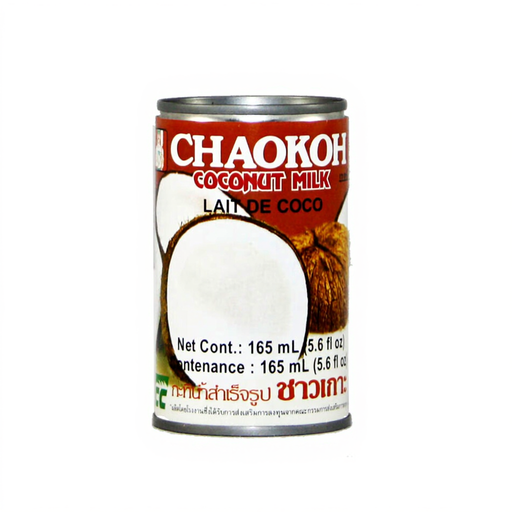
Chaokoh Coconut Milk 165ml Tin
This 165ml cooking tin may fit a recipe needing a small quantity of coconut milk. Its listing states 53% coconut extract. Read the current pack for nutrition values, allergen wording and instructions for any contents left after opening.
View on Joybuy
Common questions
Should I use cooking coconut milk or a coconut drink for BBQ sauce?
Choose cooking coconut milk when the sauce needs body; use a coconut drink where a thinner, pourable ingredient suits the recipe. Tesco Groceries lists its cooking can at 51% coconut extract and 15.0g fat per 100ml, compared with 9% coconut milk and 1.4g fat per 100ml for the Koko Unsweetened drink it lists. Neither label guarantees how a particular recipe will turn out.
Can reduced-fat coconut milk replace a standard can in a glaze?
Not automatically if the glaze depends on a particular thickness. Waitrose & Partners lists standard and reduced-fat cooking milks as separate products, so check the chosen pack’s coconut content, fat value and ingredients against your recipe before swapping.
Does dairy-free mean coconut milk is suitable for every allergy?
No. Read the current pack’s ingredients and precautionary allergen statements for the exact product. Sainsbury’s describes Alpro Barista Coconut as containing soya, and a Joybuy Koko listing includes “May contain nuts” wording despite also showing nut-free information.
How should I plan for coconut milk left after the BBQ?
Follow the selected pack’s storage and use-by-opening instructions. The cited Tesco Groceries and M&S cans state two days after opening, the cited Sainsbury’s can states three days, and the Koko drink listed by Tesco Groceries states five days. Transfer leftover canned contents where the pack instructs you to do so.
Can I use marinade that touched raw poultry to baste finished food?
Set aside a clean portion for serving or final basting before the marinade touches raw poultry. The Food Standards Agency identifies transfer from raw poultry to ready-to-eat food, utensils, hands and surfaces as a cross-contamination concern; keep equipment used for raw food separate too.


