BBQ cooks making coconut sauces or marinades
If coconut flavour and body are central to the recipe, compare canned cooking milks by their labelled coconut-extract percentages. A coconut drink in a carton is a different starting ingredient.


For a coconut-rich BBQ sauce or marinade, start with canned cooking coconut milk and compare the coconut-extract percentages on the labels. Choose a reduced-fat can if a less rich sauce suits the recipe; choose a long-life coconut drink for serving or when the recipe calls for a thinner liquid, rather than assuming it will replace a cooking can.
If coconut flavour and body are central to the recipe, compare canned cooking milks by their labelled coconut-extract percentages. A coconut drink in a carton is a different starting ingredient.
A reduced-fat cooking can gives you another option without switching to a drink. Tesco Groceries lists 22% coconut extract for Tesco Light Coconut Milk, compared with 59% for Tesco Ingredient Coconut Milk; allow for that difference when following a recipe written for a standard can.
For drinks alongside the barbecue, look at products labelled coconut drink rather than choosing a cooking can by default. Alpro identifies its product as a coconut drink, while the Koko drink listed by Tesco Groceries contains 9% coconut milk.
Start with the job the coconut product needs to do, then read its product type and composition. If you are searching for ‘filtered’ coconut milk, those label details are more useful for this BBQ decision than the search term alone.
| Priority | What to check | Your needs |
|---|---|---|
| Sauce or marinade base | Check whether it is canned cooking milk or a coconut drink. Compare coconut-extract percentages between cooking cans, while noting that drink labels may instead state a percentage of coconut milk. | I want coconut flavour and body in a sauce, so I would start with a cooking can rather than assume a drink carton will give the same result. |
| Reduced-fat option | Read both the coconut-extract percentage and the fat figure, including whether nutrition is stated per 100ml or per 100g. Tesco Groceries lists 22% extract for Tesco Light and 59% for Tesco Ingredient Coconut Milk. | A less rich sauce suits my recipe, and I can accept that a light can is not a like-for-like swap for a standard one. |
| Ingredients and dietary fit | Check the current pack’s ingredients and allergen information, particularly when cooking for guests. For a coconut drink, check its formulation separately from that of a cooking can. | If I am serving guests with ingredient restrictions, I need to check the exact product I will use rather than rely on its category name. |
| Preparation and leftovers | Read the pack’s shaking or warming directions and its instructions after opening. Tesco Groceries says to consume opened Tesco Ingredient Coconut Milk within two days; other products have their own directions. | When preparing a sauce ahead of the barbecue, I need enough time to use any opened can within its stated storage period. |
A carton intended as a drink may make a sauce thinner than the recipe calls for. Tesco Groceries lists 9% coconut milk in its Koko drink, while its Tesco Ingredient cooking can lists 59% coconut extract; these are differently described ingredients, not interchangeable percentage measures.
For a coconut-led glaze or marinade, check that the product is sold as cooking coconut milk. Use a drink when the recipe allows for a thinner liquid.
Tesco Groceries lists 22% coconut extract for Tesco Light Coconut Milk and 59% for Tesco Ingredient Coconut Milk. That composition difference matters when the recipe relies on a rich coconut base.
Choose the light can deliberately for a less rich sauce; use a standard cooking can when richness is central to the recipe.
Waitrose notes that its Essential Coconut Milk can separate or solidify when cold. Opened cans also need to be handled within their product-specific storage instructions.
Follow the pack’s directions for shaking or gentle warming, and check how to store and use any leftovers.
These examples illustrate label differences between cooking cans and coconut drinks; a brand name alone does not tell you how a particular product will suit a sauce.
Its Ingredient and Light coconut milks are distinct canned cooking options.
Essential Coconut Milk is a canned cooking product.
Its coconut milk is a canned option for recipes that call for a coconut-led cooking base.
Alpro identifies its coconut product as a drink rather than cooking coconut milk.
Its unsweetened coconut-based product is a drink, not a canned cooking milk.
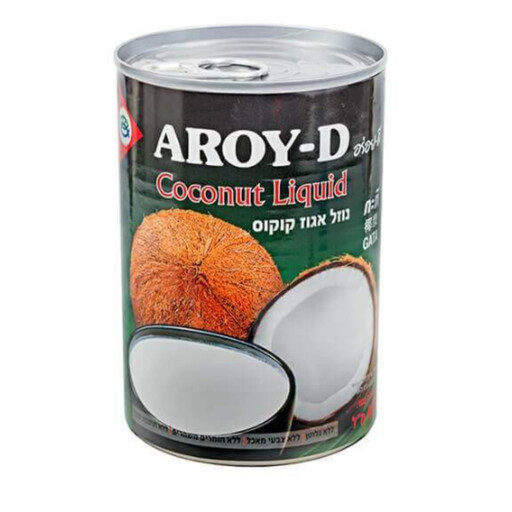
These Joybuy products are canned coconut milks to consider for BBQ sauces and marinades, including a reduced-fat option. Check each pack against the richness, ingredients and storage instructions your recipe requires.
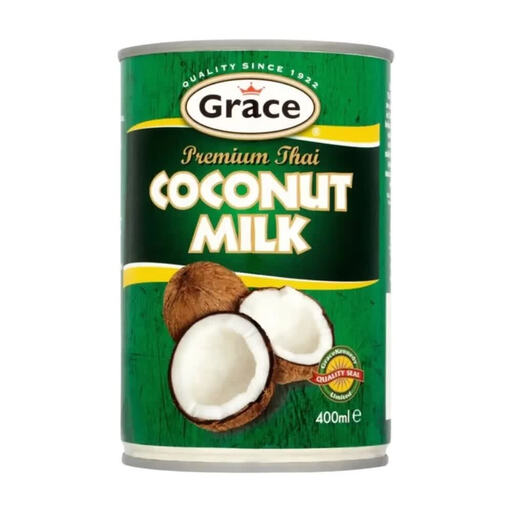 No image available
For a coconut-led sauce or marinade, compare this cooking can’s current label with the recipe’s required richness. The listing advises shaking before use and refrigerating opened contents in a non-metallic container for use within three days.
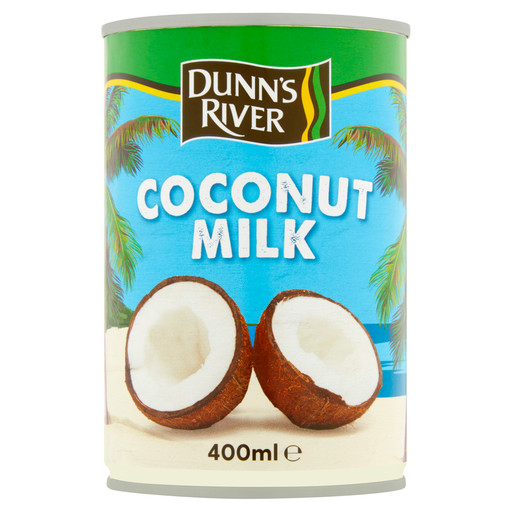 No image available
This cooking can is an option when a BBQ sauce calls for coconut milk rather than a coconut drink. Its listing says to shake before use, then refrigerate opened contents and use them within two days.
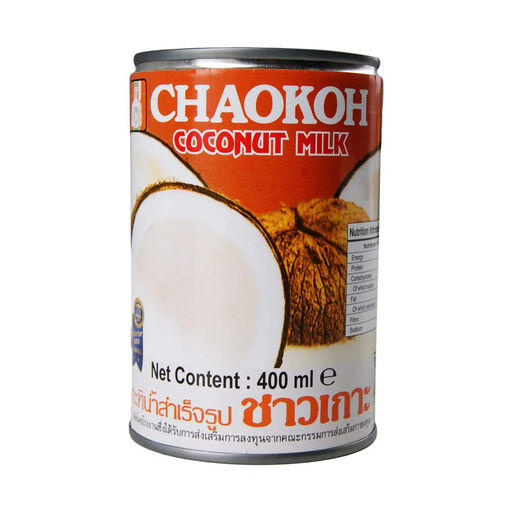 No image available
Consider this tinned cooking milk for a sauce or marinade that calls for a canned ingredient. Its listing advises shaking before use and gives a two-day refrigerated period after opening. When comparing fat figures, check the nutrition units on each pack: this product’s listing uses per 100g.
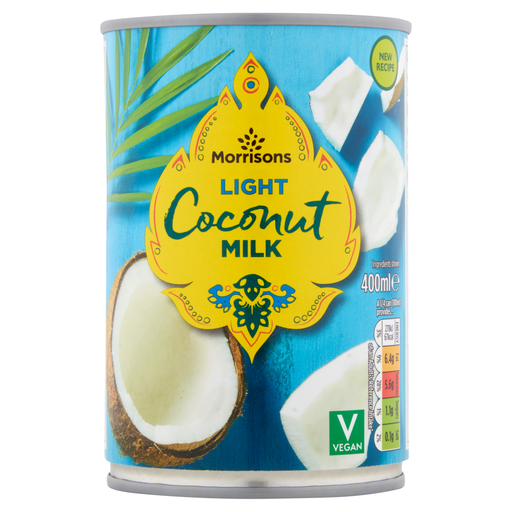 No image available
This reduced-fat cooking can suits a sauce where you deliberately want a less rich starting ingredient, rather than a like-for-like swap for a standard can. The listing notes that separation can occur at low temperatures and says to refrigerate opened contents for use within two days.
 No image available
This canned cooking milk is another option for a coconut sauce or marinade. Its listing warns of possible soy and milk traces, so check the current pack when those ingredients matter to guests. The listed nutrition uses per 100g; opened contents have a stated three-day refrigerated-use period.
Do not assume it is a direct substitute when the recipe depends on a rich coconut base. Tesco Groceries lists 59% coconut extract in its Ingredient cooking can but 9% coconut milk in the Koko drink; the different product types and label compositions make a thinner result a consideration, not a measured cooking outcome.
Choose it when a less rich sauce suits the recipe. Tesco Groceries lists 22% coconut extract for Tesco Light Coconut Milk, compared with 59% for Tesco Ingredient Coconut Milk, so check the recipe before swapping one for the other.
Separation or solidification can happen when coconut milk is cold. Waitrose says its Essential Coconut Milk may do this and advises gentle warming to return it to liquid form; follow the directions on the particular can you bought.
Follow the opened-pack storage and use-by instructions for the exact product. Tesco Groceries says to consume opened Tesco Ingredient Coconut Milk within two days, while other cans and coconut drinks can give different periods.
Read the ingredient and allergen information on the current pack before using the product. Check the exact cooking milk or drink you have chosen, rather than assuming that every coconut product has the same formulation.