Who is each format for?
Start with how guests will serve the coconut product: from their own pot, a shared bowl or a drink carton.
Hosts serving separate yoghurt portions
A chilled 4 × 90g Coconut Collab multipack listed by Waitrose & Partners provides four individual pots without portioning at the table. Check its “may contain nuts” statement before serving guests with relevant allergies.
Hosts putting out a shared bowl
A 750g Coconut Collab yoghurt pot listed by Sainsbury’s can be spooned onto fruit, granola or pancakes. Plan for a serving spoon, fridge space and any leftovers after opening.
Hosts serving coconut drinks
If the coconut product is for cups, cereal or coffee rather than a spoonable topping, choose a drink format. Tesco Groceries lists Koko’s unsweetened 1L coconut-based drink; check the exact drink’s ingredients and allergen wording before serving it.
What should you check before buying?
Decide whether brunch calls for yoghurt or a drink, then match the pack size and label to the guests and the way you will serve it.
| Priority |
What to check |
Your needs |
| Product format |
Check whether the pack contains spoonable coconut yoghurt or a coconut drink. A drink carton will not provide individual yoghurt portions. |
I’m serving yoghurt with brunch food, or I need something guests can pour into cups or over cereal. |
| Portions |
Compare the number and weight of individual pots with the weight of a shared tub. Waitrose & Partners lists four 90g Coconut Collab pots; Sainsbury’s lists a 750g shared pot. |
Everyone needs their own pot, or I’d rather let guests spoon yoghurt from one bowl. |
| Ingredients and allergens |
Read the exact pack’s ingredients and precautionary allergen wording. GOV.UK advises that vegan labelling does not guarantee the absence of animal-origin allergen cross-contamination. |
A guest avoids milk, nuts or soya, so I need to check the particular product rather than rely on “vegan” or “coconut” in its name. |
| Nutrition label |
Compare like-for-like values per 100g for yoghurts or per 100ml for drinks, including sugar, saturated fat and protein. Check whether any vitamins or calcium are added to the drink you choose. |
If nutrition matters for this brunch, I want the figures for the actual yoghurt or drink being served, not an assumption about coconut products generally. |
| Storage |
Follow each pack’s chilled-storage and after-opening instructions. The Waitrose & Partners 4 × 90g yoghurt listing specifies storage below 7°C; Sainsbury’s says its 750g pot should be eaten within three days of opening. |
I need room to chill the food and a realistic plan for using anything left after brunch. |
Relevant brand and retailer references
These examples show why the format and exact product label matter; a retailer listing does not mean every product from that brand has the same ingredients.
Alpro
Alpro lists coconut drinks in 1L long-life and 750ml chilled formats in the UK.
- Relevant when the brunch calls for a pourable coconut drink.
- These listed drink formats are not individual spoonable yoghurt pots.
Koko
Tesco Groceries lists Koko Dairy Free Unsweetened Alternative Drink in a 1L carton.
- The listed drink is fortified with calcium and vitamins D2 and B12.
- It is a drink, not a multipack of yoghurt portions.
Tesco
Tesco’s Koko listing is a reference for checking a coconut-based drink’s ingredients, nutrition and storage instructions.
- Useful when comparing a drink with other pourable options.
- The Koko listing does not describe a Tesco own-brand yoghurt multipack.
Sainsbury’s
Sainsbury’s lists a 750g Coconut Collab natural coconut yoghurt and a separate 350g protein yoghurt alternative.
- The 750g format allows guests to serve yoghurt from a shared pot.
- The 350g protein product contains almond paste and soy protein; check suitability for guests avoiding either ingredient.
M&S
M&S lists a 350g Plant Kitchen Made Without Dairy Coconut Pot for spooning into servings.
- The shared-pot format offers flexible portions for a brunch spread.
- Its listing gives 12.7g saturated fat per 100g; compare the nutrition panel if that figure matters to your choice.
Waitrose
Waitrose & Partners lists the Coconut Collab natural coconut yoghurt as four 90g chilled pots.
- The separate pots suit a brunch where each guest is offered an individual portion.
- The listing says the product may contain nuts and must be kept refrigerated below 7°C.
Coconut drinks on Joybuy
These packs are coconut drinks for pouring or serving in cups, including larger cartons and individual cans. They are not the chilled, spoonable yoghurt pots discussed above; check ingredients carefully when serving guests who avoid milk, soya or other allergens.
 No image available
Alpro Barista Coconut Long Life Drink 8 × 1L
The eight 1L cartons are a pourable option for brunch coffee rather than individual yoghurt servings. Check the pack’s soya allergen wording for guests who avoid soya, and follow its instructions after opening.
View on Joybuy
 No image available
Coconut Palm Coconut Milk 3 × 1L
Three 1L packs suit a shared coconut drink rather than a spoonable yoghurt course. Check the current allergen label before serving guests with allergies; the product information calls for refrigeration and use within 24 hours after opening.
View on Joybuy
 No image available
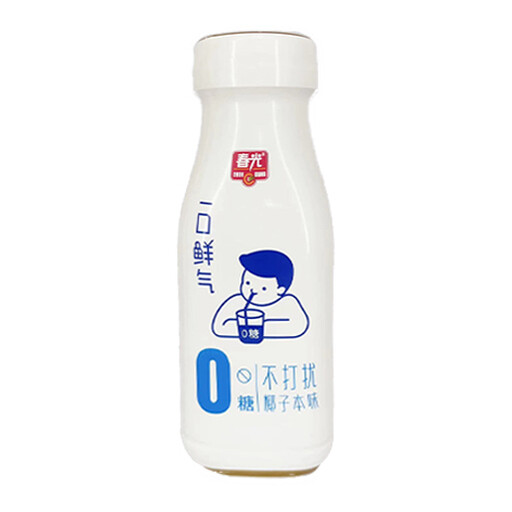
Chunguang 0 Sugar Coconut Milk 15 × 245ml
The 245ml cans offer separate drink portions, not yoghurt pots. The product information identifies milk-derived sodium caseinate, so do not use this drink for a guest avoiding milk; check the current nutrition label if its sugar content matters.
View on Joybuy
 No image available
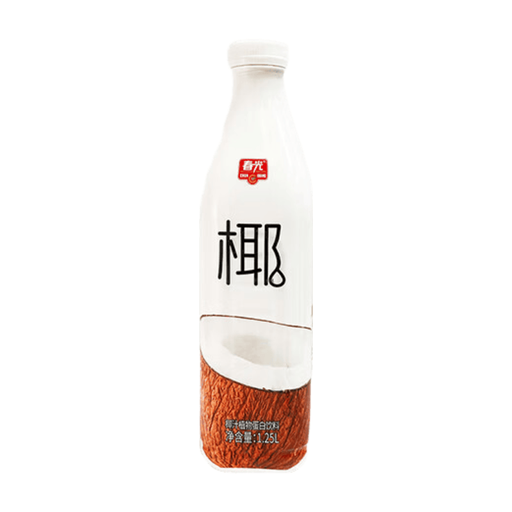
Chun Guang Coconut Milk 6 × 1.25L
Six 1.25L bottles provide 7.5L of coconut drink, so consider how much the group will use. The product information identifies milk-derived sodium caseinate; check the label for guests avoiding milk and refrigerate opened bottles as instructed.
View on Joybuy
 No image available
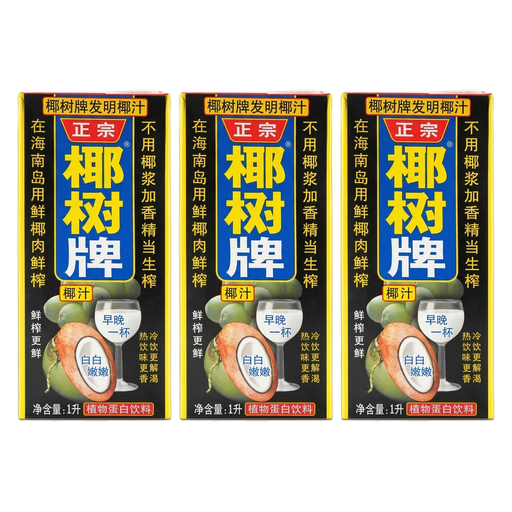
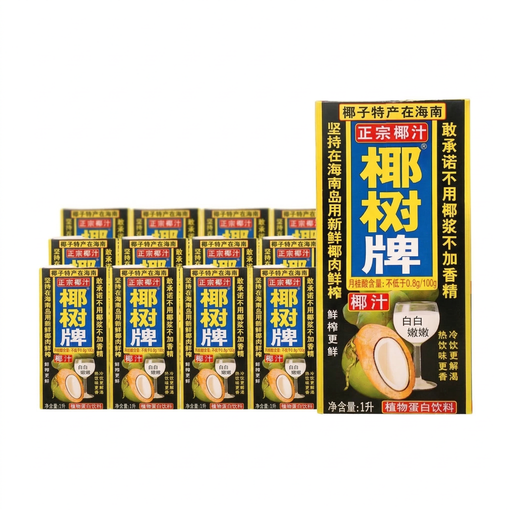
Coconut Palm Coconut Milk 12 × 1L
This 12L case is a coconut beverage option for a group, not a yoghurt multipack. Joybuy’s product information lists sodium caseinate (milk) and says to refrigerate after opening and consume within two days; check whether that quantity and ingredient list suit your brunch.
View on Joybuy
Brunch questions
Is coconut yoghurt the same as a coconut drink?
No. The Coconut Collab yoghurt pots listed by Waitrose & Partners are chilled and spoonable; Koko’s 1L product listed by Tesco Groceries is a pourable coconut-based drink. Choose by how you intend to serve it, then compare the exact labels rather than treating the formats as interchangeable.
How many individual yoghurt pots do I need?
The Coconut Collab multipack listed by Waitrose & Partners contains four 90g pots, so one pack gives four separate portions. Decide whether one pot per guest fits your menu or whether yoghurt will instead be spooned onto other brunch foods.
Does a vegan label make a coconut product suitable for a guest with a milk allergy?
Not necessarily. GOV.UK explains that vegan labelling does not guarantee the absence of cross-contamination with animal-origin allergens. Check the ingredients, allergen statement and precautionary wording on the exact pack before serving it.
What should I compare on coconut yoghurt nutrition labels?
Compare the intended portion and the figures per 100g for sugar, fat, saturated fat and protein. For example, Sainsbury’s lists 9g saturated fat per 100g for its Coconut Collab natural 750g pot, while M&S lists 12.7g per 100g for its Plant Kitchen Coconut Pot; check each product’s full label alongside its ingredients.
How should I store coconut yoghurt after brunch?
Follow the instructions on the particular pack. Waitrose & Partners says to keep its Coconut Collab 4 × 90g pots refrigerated below 7°C; Sainsbury’s says to keep its 750g Coconut Collab pot chilled and eat it within three days of opening.


