
24/7 Customer Support

Free returns

Same-day & Next-day Delivery

Quality Guaranteed

Unlock Your Welcome Offers: FREE Delivery | Up to 80% OFF | Free 30-day JoyPlus trial
Download the APP
From a fragrant Thai green curry to a creamy Caribbean stew, the right coconut milk is the secret to unlocking authentic flavour in your kitchen. Yet, a quick look at the supermarket aisle or online listings reveals a confusing array of options. It's easy to end up with a product that leaves your curry watery or your dessert lacking that rich, tropical taste.
As a Joybuy Product Recommendation Officer, my role is to help you navigate these choices. We'll look past the marketing claims and focus on what truly matters, ensuring you select the perfect tinned coconut milk for your culinary needs without wasting money on the wrong tin.
Before you add a can to your basket, be aware of these common traps that can compromise your cooking:
light coconut milk to reduce calories can be a false economy. For recipes like a classic coconut milk for curry, the higher fat content is essential. It provides flavour, creates a velvety sauce and prevents the milk from splitting or curdling when simmered at high temperatures.To make an informed choice, focus on these three critical parameters on the product label.
This is perhaps the most important indicator of quality and flavour intensity. It tells you how much of the can is actual coconut, versus just water.
Thai coconut milk curry or a Malaysian laksa, look for a coconut extract percentage of 50% or higher. Premium options often go up to 70-80%.dairy-free cooking milk substitute in baking, a lower percentage might be acceptable, but a higher extract will always provide a more pronounced flavour.The fat content dictates the creaminess, stability and richness of the final dish. There is a right time and place for both varieties.
Full fat coconut milk: Typically contains 17-22% fat. This is the standard for most traditional Asian and Caribbean recipes. The fat carries the flavour of your spices and creates a luxurious, stable sauce that resists splitting.Light coconut milk: Usually contains 5-9% fat. This is essentially full-fat coconut milk that has been diluted with more water. It's suitable for adding a subtle coconut note to drinks, porridge, or light soups where richness is not the primary goal.A shorter, simpler ingredient list is often a sign of a more natural product. Ideally, you want to see just two ingredients: Coconut Extract and Water. However, many brands include stabilisers to prevent separation and ensure a consistent texture. Common ones include:
While these aren't necessarily harmful, products that rely on a long list of additives may be compensating for a lower coconut extract percentage.
To help you choose, we've matched some reliable options to different cooking styles and needs.

Why This Fits Their Persona: For the cook who refuses to compromise on flavour, this product is designed to replicate the richness of restaurant-quality Thai and Southeast Asian dishes. Its high fat and extract content ensures a truly decadent and stable curry sauce.
It directly counters the "creamy illusion" trap by delivering genuine richness from a high 80% coconut extract and 19% fat content, not from a long list of artificial thickeners.
Delivers exceptional creaminess and flavour depth. The carton packaging is easy to open, pour and store.
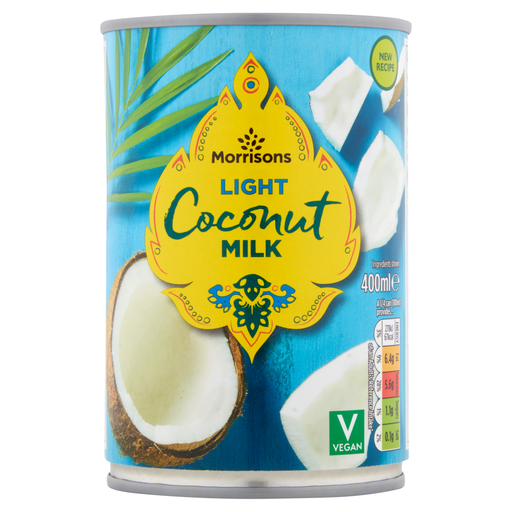
Why This Fits Their Persona: This is for the home cook who wants a hint of coconut flavour in lighter dishes, smoothies or breakfast porridge without the high saturated fat content of a full-fat version. It's a practical choice for everyday, health-conscious cooking.
It avoids the "full-fat vs. light mix-up" by being clearly labelled as "Reduced Fat." This ensures you are making a deliberate choice for a lighter recipe, not accidentally ruining a rich curry.
Offers a significantly lower fat content (6.4g per 100ml) compared to standard versions. It is also suitable for vegans.

Why This Fits Their Persona: This is a great pantry staple for the cook who enjoys a variety of cuisines. It's a reliable, no-fuss option that provides good flavour for everything from a simple lentil dahl to a more complex Caribbean-style dish.
It sidesteps the "additive overload" trap with a clean, two-ingredient list: Coconut Extract and Water. This ensures you're getting a pure coconut flavour without unnecessary extras.
A simple, natural formulation that provides versatile, authentic flavour. It's a dependable choice for a wide range of recipes.
We have compiled a complete, real-time list of products that fully satisfy these strict selection criteria and UK safety regulations.
1. Why has my canned coconut milk separated into a hard white layer and a watery liquid?
This is completely normal and often a sign of a good quality product with few stabilisers. The solid part is the coconut cream (fat), which naturally separates from the water when cool. Simply shake the can vigorously before opening or stir the contents together in a bowl to recombine them into a smooth liquid.
2. Can I use light coconut milk for a Thai curry?
For the most authentic and creamy result, it is not recommended. The lower fat content in light coconut milk means it is more likely to "split" or curdle when simmered, resulting in a thin, sometimes grainy sauce. Always opt for full fat coconut milk for recipes that require simmering or high heat.
3. How long does tinned coconut milk last after being opened?
Once opened, you should transfer any unused coconut milk from the metal can into a non-metallic, airtight container. Store it in the fridge and aim to use it within 2 to 3 days for the best quality and flavour.