
24/7 Customer Support

Free returns

Same-day & Next-day Delivery

Quality Guaranteed

Unlock Your Welcome Offers: FREE Delivery | Up to 80% OFF | Free 30-day JoyPlus trial
Download the APP
Coconut milk can transform a curry, soup, dessert or smoothie, but choosing the wrong product can lead to wasted ingredients and disappointing results. In UK supermarkets and online shops, “coconut milk” may describe anything from concentrated cooking liquid to a sweetened coconut beverage. Packaging, fat content and serving size matter more than front-of-pack claims.
This guide explains the practical differences between canned coconut milk, a coconut milk carton, coconut cream, coconut milk powder and ready-to-drink products, helping you choose with greater confidence.
A carton or bottle labelled coconut milk may be designed for drinking rather than cooking. Beverage products can contain added sugar, water, emulsifiers or dairy ingredients, and may have a lighter texture. For curries and sauces, check that the product is intended as a cooking ingredient and review the coconut percentage.
For example, a coconut drink may contain only 10–15% coconut, while cooking products commonly list coconut extract at around 53–60% or more.
Terms such as “natural” describe positioning, not necessarily a particular formulation. Some products contain only coconut extract and water, while others include stabilisers such as guar gum, xanthan gum or carrageenan to reduce separation. These ingredients are permitted food additives, but shoppers who want a short ingredient list should check the full label rather than relying on the front packaging.
A 400ml can is convenient for many family recipes, but it may leave leftovers when cooking for one or two people. Conversely, a 165ml coconut milk can may be poor value for catering or batch cooking. Once opened, most products should be transferred to a suitable container, refrigerated and used within two to three days, depending on the packaging instructions.
A higher coconut extract percentage generally indicates a more concentrated cooking product, although texture can also be affected by processing and stabilisers. Compare products on a like-for-like basis:
The ingredient order also helps identify whether the product is primarily coconut or water.
Full-fat coconut milk can provide a richer mouthfeel for coconut milk for curries, stews and desserts. The supplied products range from reduced-fat options at approximately 6.4g fat per 100ml to cooking coconut milk containing around 17–22g fat per 100ml.
Reduced-fat coconut milk may suit lighter sauces and everyday meals, but it may produce a thinner result. Coconut cream, such as a product containing 78% coconut extract, offers a thicker consistency for desserts, sauces and recipes where richness is important. Nutritional values can vary, so use the label on the pack as the final reference.
Choose the format according to how regularly you cook:
Always inspect cans and cartons before use. Avoid swollen, leaking or severely damaged packaging, and shake liquid products where the label advises this.
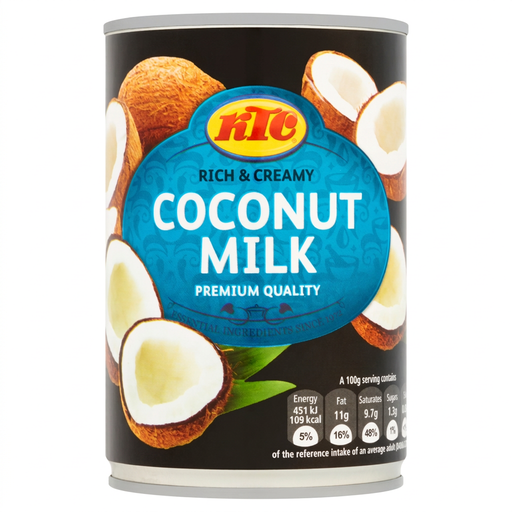
Why This Fits Their Persona: A 400g canned format is a practical starting point for home cooks preparing curries, desserts or smoothies without committing to a larger carton.
The label identifies coconut extract at 54.55%, helping shoppers distinguish it from a low-coconut beverage.
Suitable for vegetarians; ambient canned storage; versatile 400g quantity.
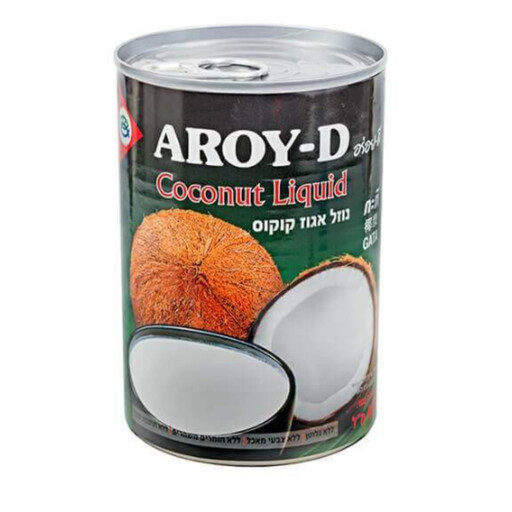
Why This Fits Their Persona: Its stated 17% fat content suits cooks looking for a fuller texture in Thai coconut milk dishes, laksas and creamy desserts.
The fat percentage is clearly stated, making it easier to compare with lighter or more concentrated alternatives.
400ml can; listed origin Thailand; suitable for savoury and sweet recipes.

Why This Fits Their Persona: The 1L carton is suited to frequent cooks, bakeries, caterers and households preparing several recipes before opening another pack.
The listed ingredients are coconut extract and water, rather than a sweetened coconut drink formulation.
Large 1L format; suitable for cooking, baking, beverages and dairy-free recipes.
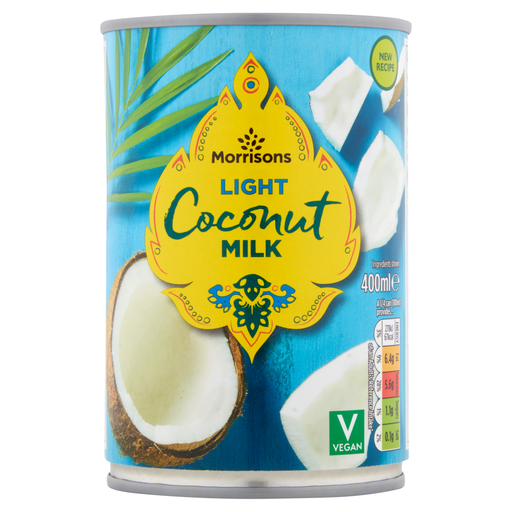
Why This Fits Their Persona: This vegan-labelled 400ml can is designed for shoppers who want coconut flavour and a lighter texture for everyday recipes.
The packaging states 50% less fat than the standard version, with 6.4g fat per 100ml listed for comparison.
Suitable for vegans; ambient storage; 400ml size for standard recipes.
We have compiled a complete, real-time list of products that fully satisfy these strict selection criteria and UK safety regulations.
Many cooking products are suitable for vegan diets when they contain only coconut extract, water and plant-based stabilisers. However, coconut milk powder may contain sodium caseinate, a milk-derived ingredient, while some coconut beverages contain milk emulsifiers. Always check the allergen statement and ingredients.
Coconut cream contains a higher proportion of coconut extract and is usually thicker and richer. It works well in desserts, sauces and recipes requiring concentrated coconut flavour. Coconut milk is more fluid and is commonly used in curries, soups, rice dishes and smoothies.
Transfer unused coconut milk to a sealed, suitable container, refrigerate it promptly and follow the product’s stated use-by guidance, which is commonly two or three days. Natural separation is normal; shake or stir before use. Do not use the product if the packaging is swollen, leaking or damaged.