
24/7 Customer Support

Free returns

Same-day & Next-day Delivery

Quality Guaranteed

Unlock Your Welcome Offers: FREE Delivery | Up to 80% OFF | Free 30-day JoyPlus trial
Download the APP
Coconut milk can transform a weekday curry, soup, dessert or smoothie, but choosing the wrong format often leads to wasted ingredients and disappointing texture. A thin carton may not provide enough richness for a Thai curry, while coconut cream can make a delicate sauce overly dense. Some products also contain stabilisers, emulsifiers or milk ingredients that are easy to miss when shopping quickly.
Before adding coconut milk to your basket, check the coconut content, fat level, pack size and storage instructions. These details matter more than tropical-looking packaging or broad claims about “authentic” flavour.
Coconut milk and coconut cream are related but not interchangeable in every recipe. Coconut cream generally contains a higher proportion of coconut extract, producing a thicker texture and richer mouthfeel. It is useful for desserts, sauces and finishing curries, while coconut milk is usually easier to pour and simmer into soups or stews.
A product labelled “creamed coconut” is different again. It is concentrated coconut flesh, often sold as a solid block. It must be grated or dissolved in water before use.
Many coconut milk products contain only coconut and water, but recipes and powdered products may include milk-derived ingredients. Tropical Sun Coconut Milk Powder, for example, lists sodium caseinate, a milk protein, among its ingredients. This means it may not suit shoppers seeking vegan coconut milk or dairy-free coconut milk.
Always read the full ingredient list and allergen statement rather than relying only on the front-of-pack wording. Coconut itself should also be checked if you are cooking for someone with a coconut allergy.
A 400ml can is practical for a family curry or soup, but it may leave leftovers when cooking for one or two people. Once opened, most products should be transferred to a suitable airtight container, refrigerated and used within around two to three days, depending on the label.
For occasional cooking, a 165ml tin or 250ml coconut milk carton can reduce waste. For regular batch cooking, a 1-litre carton may offer greater convenience, provided you can use it within the stated storage period.
The coconut extract percentage gives a useful indication of concentration, although it should not be viewed in isolation. A product with 60% coconut extract, such as Dunn’s River Coconut Milk 400ml, can deliver a fuller texture than a lighter formulation. Aroy-D Coconut Milk 17% Fat 400ml lists 17g of fat per 100g, making it suitable for recipes where a creamy consistency is important.
Reduced-fat coconut milk is a practical option when you want coconut flavour with a lighter texture. Morrisons Canned Reduced Fat Coconut Milk contains 6.4g of fat per 100ml, compared with the higher levels listed for standard coconut milk products. It may work well in soups, marinades and everyday sauces, but you may need to reduce the liquid or add extra thickening for a richer curry.
A shorter ingredient list is not automatically a guarantee of better cooking results, but it makes dietary checking easier. Stabiliser and emulsifier names can explain why one product stays smooth while another separates more noticeably.
After opening, follow the packaging rather than relying on appearance alone. Do not use a can that is swollen, leaking or severely dented. Cartons should also be discarded if they are damaged, swollen or leaking.
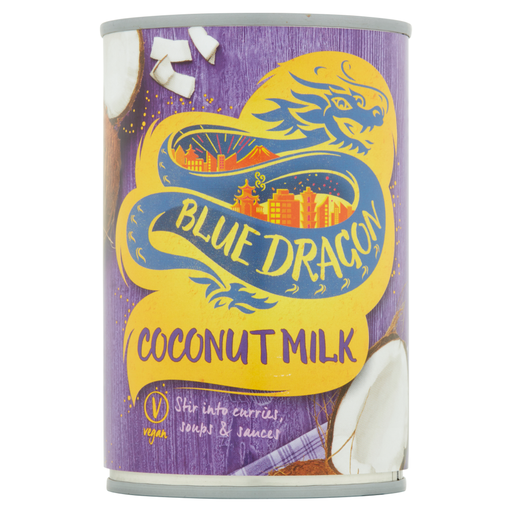
Why This Fits Their Persona: A familiar 400ml format suits first-time cooks preparing Thai, Indian or Caribbean recipes without committing to a large carton.
The 400ml size helps avoid the leftover problem associated with larger packs, while the label clearly lists coconut extract and storage guidance.
Contains 15g fat per 100g and is designed for both sweet and savoury cooking.
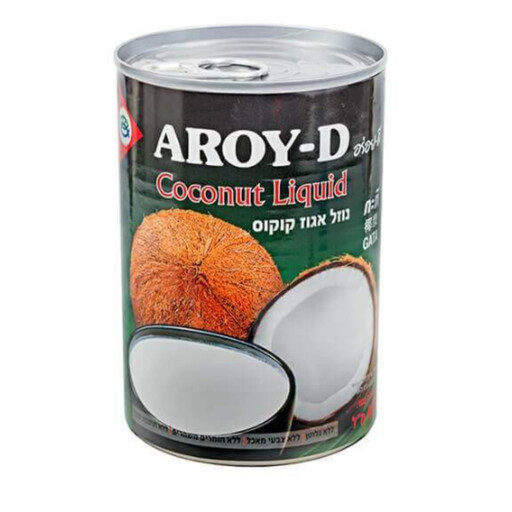
Why This Fits Their Persona: A useful choice for cooks who prioritise a noticeably creamy texture in Thai coconut milk dishes, Malaysian laksa and desserts.
Its stated 17% fat level makes the concentration easier to compare with reduced-fat alternatives before purchase.
400ml can; 17g fat per 100g; suitable for savoury recipes and desserts.
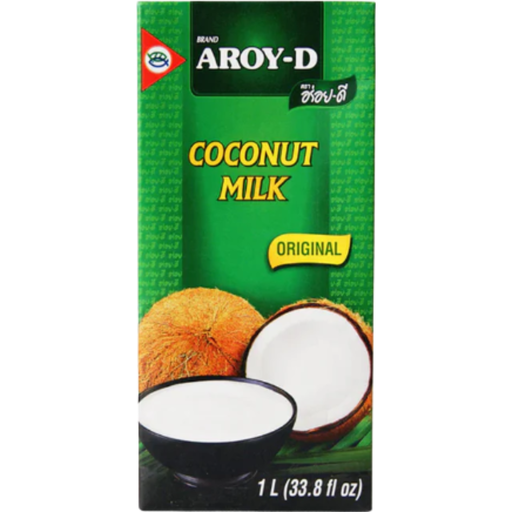
Why This Fits Their Persona: Frequent curry makers, large households and batch cooks can use a 1-litre carton across several recipes.
The larger format reduces repeated small-pack purchases, but it should only be chosen if the contents can be refrigerated and used within the label’s stated period.
1-litre aseptic carton; 18.5g fat per 100g; useful for curries, soups, sauces and drinks.
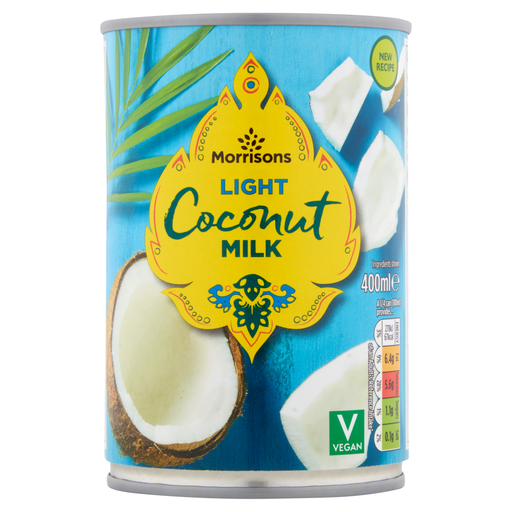
Why This Fits Their Persona: Suitable for shoppers who want coconut flavour in soups, sauces and curries without the fat level of standard coconut milk.
The label states 50% less fat than the standard version, helping buyers distinguish it from full-fat coconut milk.
67kcal and 6.4g fat per 100ml; vegan-suitable according to the supplied product information.
We have compiled a complete, real-time list of products that fully satisfy these strict selection criteria and UK safety regulations.
Some coconut milk products are suitable, but check the ingredient list and allergen statement every time. Plain coconut milk made from coconut extract and water may fit a dairy-free recipe, while coconut milk powder can contain milk-derived sodium caseinate. Also check for possible traces of milk, soya, nuts or peanuts where relevant.
It can be used in some recipes, but the result will usually be thinner. To approximate coconut cream, simmer coconut milk gently to reduce the liquid, or use a product specifically labelled coconut cream or creamed coconut. For desserts and thick sauces, the concentrated option is generally more convenient.
Follow the product label, as guidance varies. Several products recommend transferring leftovers to an airtight container, refrigerating immediately and using within two days. Others specify up to three days. Do not store opened coconut milk in the tin, and discard it if it develops an unusual smell, colour or texture.