
24/7 Customer Support

Free returns

Same-day & Next-day Delivery

Quality Guaranteed

Unlock Your Welcome Offers: FREE Delivery | Up to 80% OFF | Free 30-day JoyPlus trial
Download the APP
Coconut milk can mean very different things on a UK shopping list. A thick, high-fat ingredient for Thai curry is not interchangeable with a sweetened coconut drink for breakfast, while a barista-style carton is formulated to foam rather than enrich a stew.
The main buying mistakes are easy to make:
The right choice depends on whether you are cooking, baking, making coffee or simply looking for a chilled coconut beverage.
Traditional canned coconut milk is made by blending coconut extract with water. It is commonly used in Thai, Indian and Caribbean recipes, where its fat content contributes body, aroma and a creamy texture. It may separate in the tin, with a thicker coconut cream layer rising to the top; shaking or stirring helps combine it.
A coconut drink is generally designed for drinking. It may contain coconut water, coconut juice, sugar, stabilisers or flavouring. Some are suitable for pouring over cereal or drinking chilled, but they may be too sweet or too thin for a curry.
For coffee, look for a coconut milk carton specifically described as barista-style. These drinks are formulated to heat and froth more consistently than standard coconut beverages. For example, Alpro Barista Coconut Long Life Drink combines a soya base with 2.5% coconut milk and is labelled dairy-free, lactose-free and vegan. Its ingredient list also identifies soya, so it is not suitable for people avoiding soya.
The ingredients list provides more useful information than phrases such as “creamy” or “tropical”. Compare the position and percentage of coconut extract, coconut cream or coconut juice.
For a rich coconut milk for curry, products such as AROY-D Coconut Milk 17% Fat 400 ML list 17g of fat per 100g. Blue Dragon Coconut Milk 400ml lists 15g per 100g, while reduced-fat options can be substantially lighter. Morrisons Canned Reduced Fat Coconut Milk 400ml lists 6.4g of fat per 100ml and is marketed as containing 50% less fat than its standard version.
Reduced-fat coconut milk can work well in soups, stews and lighter sauces, but it may provide less richness. If a recipe depends on coconut cream separating or thickening, check the recipe and the product label before substituting.
For cooking and baking, check whether the product contains sugar. Sweetened coconut drinks are not always suitable for savoury dishes.
Also look for stabilisers, emulsifiers and allergens. These ingredients are not automatically a problem, but they affect dietary suitability and texture. Some coconut drinks in the supplied range contain milk, including FREENOW Coconut Drink 200g and Coconut Palm Coconut Milk 12x1L. They therefore should not be treated as vegan or dairy-free without checking the label.
For a vegan coconut milk option, a can such as Chaokoh Coconut Milk Tinned 400ml is labelled suitable for vegans and vegetarians. Always recheck the packaging, as recipes and manufacturing information can change.
A coconut milk 400ml tin is practical for many family recipes and often provides enough for one curry or soup. Smaller 165ml tins, such as Chaokoh Coconut Milk Tinned 165ml or AROY-D coconut milk small 165 ml, suit one or two portions and can reduce leftovers.
A coconut milk 1L carton is more suitable for frequent cooking, cafés, larger households or recipes requiring several servings. Aroy-D Original Coconut Milk Carton Of Coconut Milk 1L is an ambient carton before opening, while Alpro Barista Coconut Long Life Drink comes in an 8 x 1L format for regular coffee use.
After opening, follow the stated instructions carefully. Several canned products advise transferring unused contents to a non-metallic container, refrigerating and consuming within two days. Cartons and drinks may have different instructions, ranging from one to five days. Do not rely solely on appearance or smell if the product is past its stated storage period.
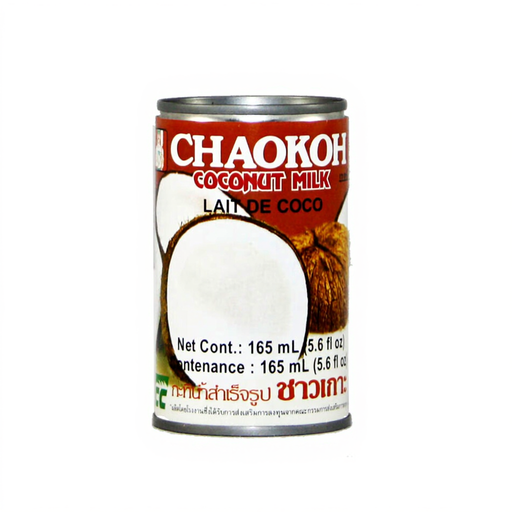
Why This Fits Their Persona: The smaller tin suits occasional curry makers, students and smaller households that do not want to store an opened large can.
Its 165ml format helps avoid buying a large tin for a recipe requiring only a small quantity. It contains coconut extract and water rather than being presented as a sweetened drink.
165ml portion; suitable for a small recipe; ready to use in cooking, desserts or drinks.
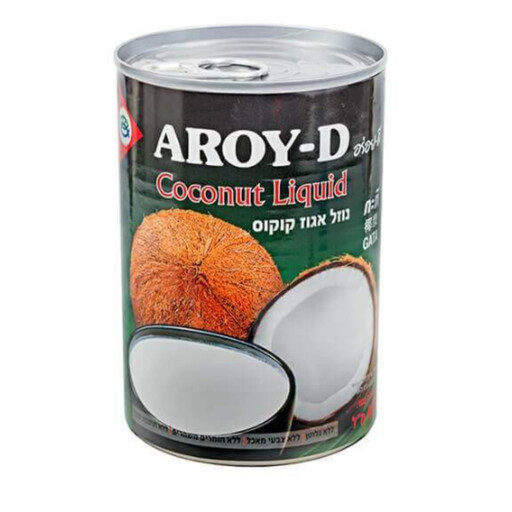
Why This Fits Their Persona: A useful choice for cooks prioritising a fuller texture in Thai curries, laksas, sauces and desserts.
The 17% fat specification makes the intended richness clearer than relying on front-of-pack wording such as “creamy”.
400ml can; 17g fat per 100g; made in Thailand according to the supplied product details.
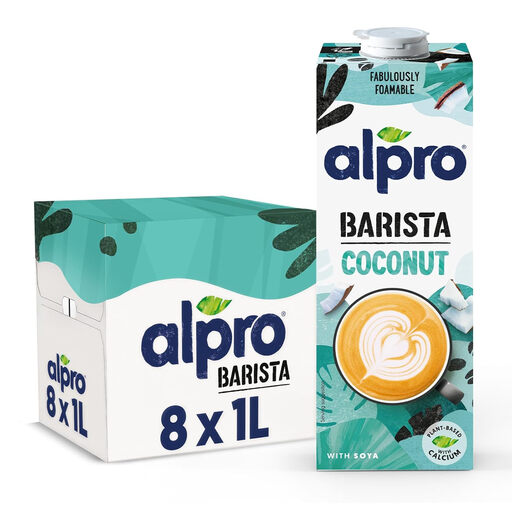
Why This Fits Their Persona: Designed for frequent coffee drinkers, home cafés and food-service buyers who need a larger ambient stock of coconut drink.
It is clearly positioned as a barista drink, reducing the risk of expecting a cooking tin to foam effectively. The label identifies soya, so allergen checks remain straightforward.
8 x 1L long-life format; suitable for frothing; labelled vegan, dairy-free and lactose-free.
We have compiled a complete, real-time list of products that fully satisfy these strict selection criteria and UK safety regulations.
Yes. Traditional canned coconut milk is widely used in Thai, Indian and Caribbean cooking. Choose the fat level according to the dish: fuller-fat coconut milk generally creates a richer sauce, while reduced-fat versions produce a lighter result. A coconut drink may be too sweet or thin unless the recipe specifically calls for it.
Follow the storage instructions on the packaging. Many cans advise refrigerating unused contents in a suitable container and consuming them within two days. Some cartons and drinks allow three to five days. Do not freeze unless the manufacturer specifically states that freezing is suitable, as texture may change.
No. Some coconut beverages contain milk-derived emulsifiers such as sodium caseinate. Check the allergen statement and ingredients list for “milk” before buying. Products labelled vegan or suitable for vegans still need to be checked against your own dietary requirements and the latest packaging information.