What should you check before buying?
Start with the ingredient named in the recipe, then compare the exact products on their labels. A search for “filtered coconut milk” does not replace checking whether the pack is a tin, a drink or a cream.
| Priority |
What to check |
Your needs |
| Recipe format |
Check whether the recipe specifies tinned coconut milk, pourable milk or coconut cream. Compare the coconut content and fat figures on the same label basis where available. |
For a coconut-led cake, I want the richer ingredient the recipe expects. If I am replacing ordinary milk, I need a pourable alternative instead. |
| Sweetness and flavour |
Read the sugars figure per 100 ml and the ingredients list. An unsweetened name does not tell you everything else in the drink. |
My cake recipe already includes sugar, so I want to know what the coconut ingredient contributes before changing the recipe. |
| Ingredients and allergens |
Check the exact pack’s ingredients, allergen information and any precautionary wording. Do not use a vegan description as a substitute for those checks. |
When baking for someone with an allergy or a specific dietary requirement, I need the information for the product I will actually use. |
| Pack and leftovers |
Compare the pack quantity with the amount in the recipe. Read that product’s instructions for storage after opening. |
If a cake needs only part of a pack, I want to plan how to use or store the remainder. |
Which brand ranges are relevant?
These examples show why the product format matters; a brand may offer more than one kind of coconut ingredient.
Tesco
Tesco Groceries lists both tinned coconut milk and carton coconut drinks, so the product name alone needs a closer look.
- Tesco Coconut Milk 400 ml lists 51% coconut extract and 15.0 g fat per 100 ml.
- Those figures describe that tin, not Tesco’s carton drinks or every coconut product in its range.
Alpro
Alpro’s coconut drinks are carton-format alternatives to consider when a recipe calls for pourable milk.
- Alpro UK lists 0.0 g sugars and 1.2 g fat per 100 ml for Coconut No Sugars Drink.
- Coconut Original has a different ingredients list, including rice and flavourings; check the particular variant.
Koko
Koko Dairy Free Unsweetened Alternative Drink is a carton option for a recipe needing a pourable coconut-based ingredient.
- Tesco Groceries lists 9% coconut milk, 1.4 g fat and 0.2 g sugars per 100 ml for this drink.
- Its stated composition differs from rich tinned coconut milk; check the full ingredients and allergen information on the pack.
M&S
The M&S range includes tinned coconut milk, reduced-fat coconut milk, coconut drinks and coconut cream for different recipe roles.
- Marks & Spencer describes tinned coconut milk as a dairy alternative for baking and coconut cream as an option for extra creaminess in vegan desserts.
- Reduced-fat coconut milk is a distinct formulation; use the type specified by the recipe rather than assuming the tins are interchangeable.
Waitrose
Waitrose & Partners lists standard and reduced-fat tinned coconut milk, organic options and coconut cream.
- The range gives shoppers several pack types to compare against a recipe.
- Check each chosen product’s ingredients and nutrition rather than applying one tin’s details to the range.
Tinned coconut milk options on Joybuy
These Joybuy options are tinned coconut milks to consider when a cake recipe calls for that format. They are not carton drinks or coconut cream; compare the pack with your recipe before substituting one for another.
 No image available
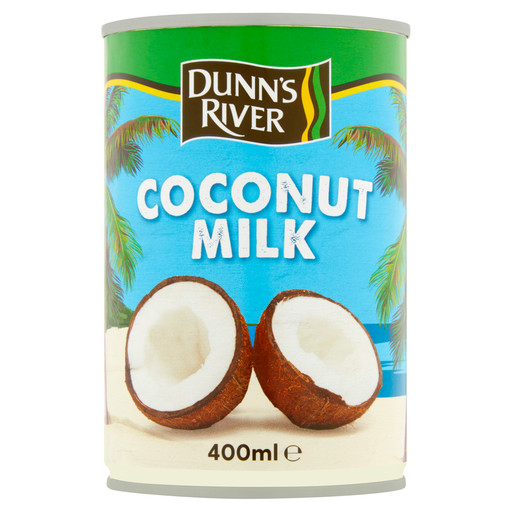
Dunns River Coconut Milk 400 ml
A 400 ml tinned coconut milk for a recipe specifying this type of ingredient. Check the current pack’s ingredients and allergen statement before baking for someone with an allergy.
View on Joybuy
 No image available
Tropical Sun Coconut Milk 100% Natural 400 ml can
A 400 ml canned option for a cake recipe calling for tinned coconut milk. Read the pack’s nutrition and allergen information for the recipe and the people you are baking for.
View on Joybuy
 No image available
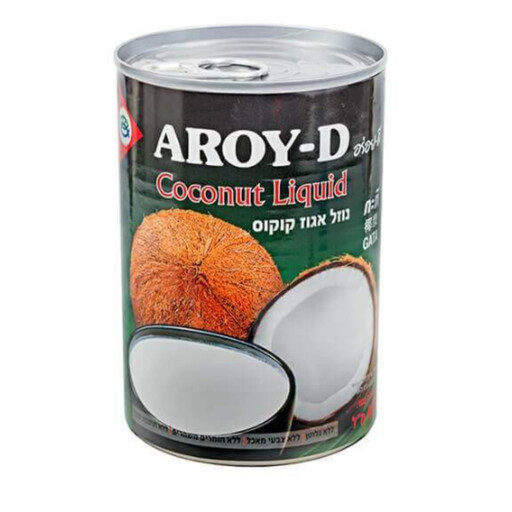
AROY-D Coconut Milk 17% Fat 400 ml
A 400 ml tinned option whose name states 17% fat. If comparing nutrition panels, check whether each product reports values per 100 g or per 100 ml; those are different bases.
View on Joybuy
 No image available
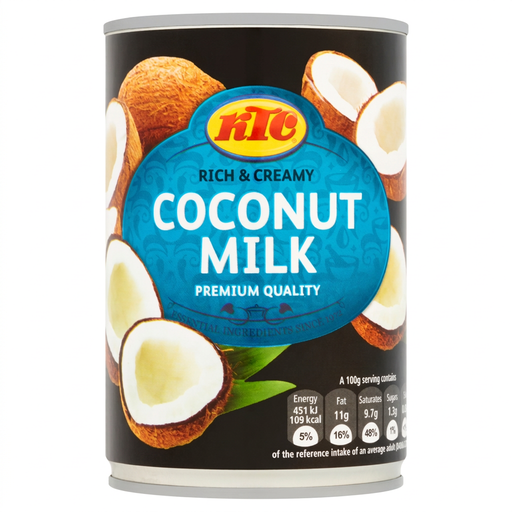
KTC Coconut Milk 400 g
A 400 g tinned option for recipes specifying coconut milk rather than a carton drink. Check the pack’s fat and sugars figures if those details affect your recipe, and confirm its ingredients for any dietary requirement.
View on Joybuy
 No image available
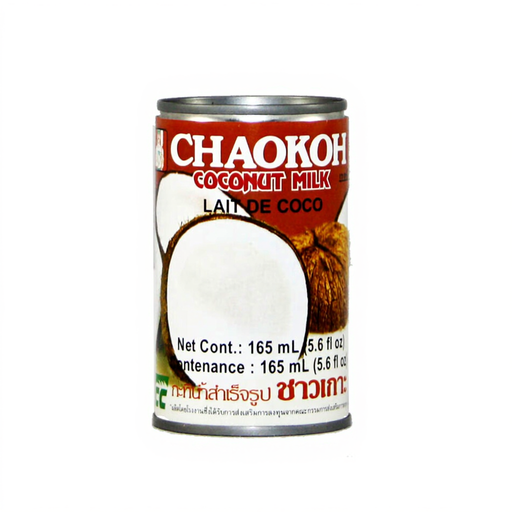
Chaokoh Coconut Milk 165 ml tin
The 165 ml tin is a smaller format to compare with the quantity your recipe needs. Check its current nutrition, allergen and after-opening instructions on the pack.
View on Joybuy
Cake-baking questions
Can I use a carton coconut drink instead of tinned coconut milk?
A carton drink is a closer starting point when the recipe calls for pourable milk, not when it specifically relies on rich tinned coconut milk. Alpro UK lists 1.2 g fat per 100 ml for Coconut No Sugars Drink, while Tesco Groceries lists 15.0 g per 100 ml for its 400 ml tinned coconut milk. Follow the recipe’s specified format or test an adjusted recipe.
Should I use coconut cream in an ordinary sponge cake?
Do not assume coconut cream is a direct replacement for the milk in a sponge recipe. Marks & Spencer describes its coconut cream as an ingredient for extra creaminess in vegan desserts; choose it when a filling or the recipe itself calls for cream.
Does “unsweetened” mean all carton coconut drinks have the same ingredients?
No. Compare the exact variant’s ingredients and sugars figure. Alpro UK lists 0.0 g sugars per 100 ml for Coconut No Sugars Drink, while its Coconut Original ingredients include rice and flavourings.
What should I check when baking for someone with an allergy?
Read the current ingredient list, allergen information and any precautionary statement on the exact pack you plan to use. Neither the coconut category nor a vegan description establishes suitability for every allergy.


