Self-catering holiday cooks
A cooking can suits curries, soups, sauces and desserts when you can refrigerate the contents and use them within the pack’s stated period after opening.


Choose canned coconut milk for holiday curries, sauces or desserts that need a cooking ingredient; choose a ready-to-pour coconut drink for cereal or drinks. If you want a cooking can but are comparing fat content, look at reduced-fat and standard cans side by side using their nutrition labels. Before travelling, check the exact pack’s allergen information, storage instructions and use period after opening.
A cooking can suits curries, soups, sauces and desserts when you can refrigerate the contents and use them within the pack’s stated period after opening.
A ready-to-pour drink suits cereal, smoothies and hot or cold drinks. Check whether the particular drink is fortified and whether it needs chilling.
If saturated fat or sugars matter to your choice, compare the figures on the products you are considering. Keep food figures per 100g distinct from drink figures per 100ml.
Start with what you will make, then compare labels within the format that fits your plans.
Choose it when: You need canned coconut milk for curries, sauces or desserts.
Plan for: Refrigerating leftovers and using them within the period stated on that can.
Choose it when: You still need a cooking ingredient but want to compare it with a standard can.
Check: A reduced-fat description does not, by itself, tell you the saturated-fat figure.
Choose it when: You want something ready to pour over cereal or into a drink.
Bear in mind: It is not a like-for-like substitute for a canned cooking base.
| Priority | What to check | Your needs |
|---|---|---|
| Recipe format | Check whether the pack is a culinary can or a ready-to-pour drink. For cooking cans, read the stated uses and coconut-extract content; for drinks, check the intended pouring uses. | I’m making a sauce or dessert that calls for canned coconut milk, rather than buying something to pour over cereal. |
| Nutrition | Compare saturated fat per 100g on food labels or per 100ml on drink labels. Check the sugar figure on drinks rather than relying on the word “coconut”. | If I’m choosing between cooking cans, I want to compare their labels on the same basis. For a drink, I’ll check its own nutrition panel. |
| Storage | Read the unopened storage instructions, then the refrigeration and use period after opening. Check whether leftover canned contents need transferring to another container. | At a holiday property, I need to know whether there is fridge space and whether I can finish an opened pack in time. |
| Allergens | Read the ingredients and allergen statement on the pack you receive, including any “may contain” wording. Repeat the check when substituting a different product. | When I’m cooking for others, I need the information for the exact product I’ll serve. |
The Alpro and Koko drinks are ready-to-pour products, while the checked culinary cans are presented for cooking. The formats should not be assumed to give a sauce the same texture.
Check the recipe and buy a culinary can for a dish that specifies canned coconut milk.
“Natural”, “vegan” and “reduced fat” answer different questions. For example, the checked Tropical Sun and M&S cooking cans list 10g and 15.1g saturated fat per 100g respectively, according to their Sainsbury’s and M&S listings.
Compare the saturated-fat figure on the exact pack, using like-for-like food or drink labels.
The checked M&S and Blue Dragon cans instruct refrigeration and use within two days after opening; Sainsbury’s Tropical Sun listing specifies three days. Those periods apply to the named products, not every coconut milk.
Plan meals around the instructions on your pack, including any directions for storing leftover contents.
Sainsbury’s Blue Dragon listing says the can may contain peanuts and nuts. A different coconut product can carry different wording.
Check the current pack before serving it to anyone with an allergy, particularly if you have bought a substitute.
These product and range examples show why a brand name alone cannot tell you whether you are buying a cooking can or a drink.
Alpro Coconut No Sugars is a ready-to-pour coconut drink, not a canned cooking milk.
Koko’s checked unsweetened product is a coconut-based drink.
Tesco’s checked Koko listing provides an example of the coconut-drink route.
The checked Sainsbury’s listings include both a Blue Dragon cooking can and a Koko drink.
The checked M&S Coconut Milk is a culinary product presented for dishes including curries, soups and desserts.
Waitrose lists standard and reduced-fat 400ml cooking cans, alongside other coconut-milk options.
These are canned coconut milks for holiday cooking, including a reduced-fat option. For cereal or drinks, look for a ready-to-pour coconut drink instead.
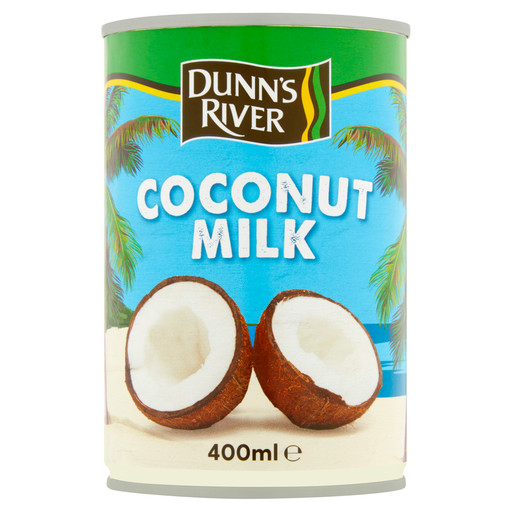 No image available
A canned option to consider for holiday cooking and desserts. Plan to follow the pack’s instructions for refrigerating and using any contents left after opening.
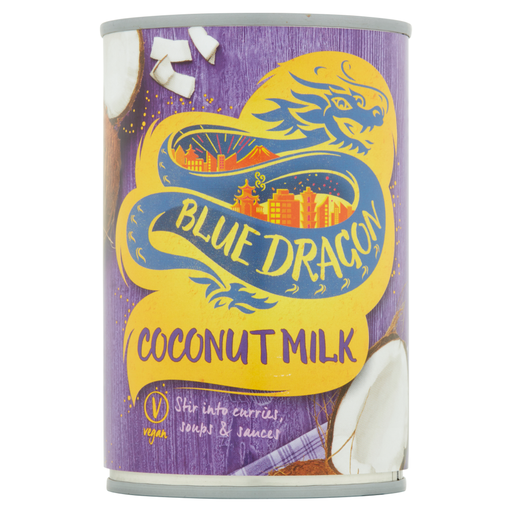 No image available
A cooking can for dishes such as curries and soups. The checked Blue Dragon product lists 56% coconut extract, says it may contain peanuts and nuts, and instructs refrigeration and use within two days after opening; check the pack you receive.
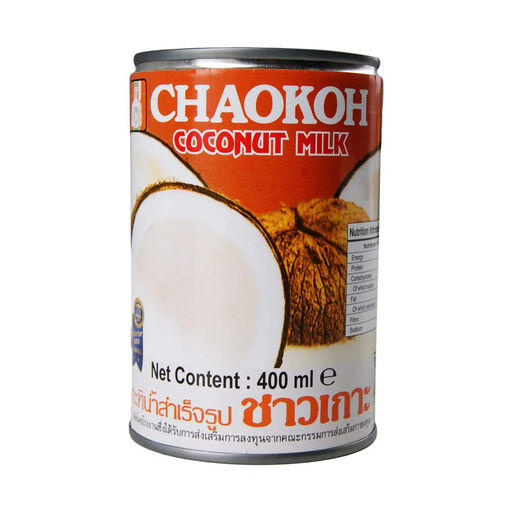 No image available
A tinned coconut milk to consider for cooking or baking on a self-catering trip. Check the pack’s instructions for storing leftovers and using them after opening.
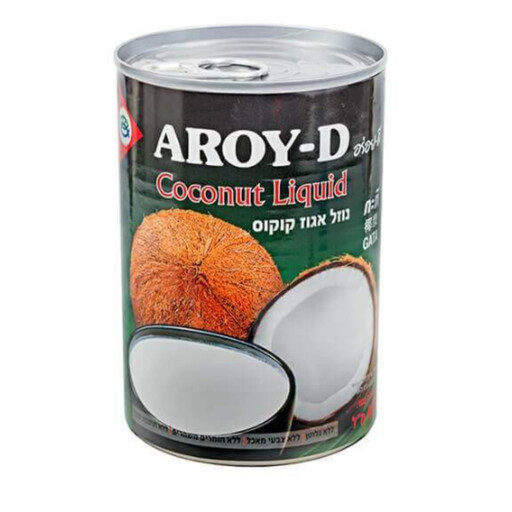 No image available
A canned cooking option identified as 17% fat. Check its pack if coconut-extract content matters to your recipe, and read the allergen statement before serving it to someone who needs that information.
 No image available
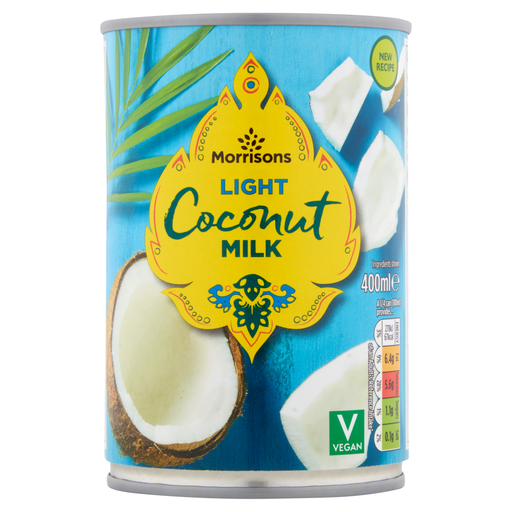
A reduced-fat cooking can to compare with a standard coconut milk. Read the saturated-fat figure on the pack rather than treating “reduced fat” as a statement about its saturated-fat level, and check the pack’s allergen information if relevant.
Not as a like-for-like swap in a recipe that needs a canned cooking base. The checked Alpro and Koko products are ready-to-pour drinks, while the checked culinary cans are presented for curries, sauces and desserts; use the format specified by your recipe.
Take a cooking can if your planned meals call for canned coconut milk, and check how soon you must use it after opening. The checked M&S and Blue Dragon cans specify two days under refrigeration, while Sainsbury’s Tropical Sun listing specifies three. For a coconut drink, check whether your accommodation can meet its storage instructions.
Compare like-for-like products using their nutrition panels: canned foods commonly give figures per 100g, while drinks give them per 100ml. NHS food-label guidance uses different criteria for foods and drinks, so do not treat a can and a drink as equivalent servings or compare their traffic-light labels on the same basis.
No. Check the ingredients and allergen statement on the exact pack you buy, especially after a substitution. Sainsbury’s checked Blue Dragon listing says it may contain peanuts and nuts; that statement must not be assumed to apply to other coconut products.