Hosts making a large savoury dish
Start with the recipe’s required volume and product type. For a sauce that calls for cooking coconut milk, plan the number of cooking packs rather than choosing a larger drink carton for convenience.


If the dish calls for coconut milk as a cooking ingredient, choose culinary coconut milk rather than a coconut-based drink; the drink is a different formulation and is not a like-for-like sauce base. If six UK pints is the recipe volume, that is about 3.41 litres: nine 400 ml cooking packs provide 3.6 litres, so confirm the recipe amount before buying or opening them.
Start with the recipe’s required volume and product type. For a sauce that calls for cooking coconut milk, plan the number of cooking packs rather than choosing a larger drink carton for convenience.
Compare coconut-extract percentages between culinary products that state them, then read the ingredients and nutrition information. The percentage alone does not tell you how a finished dish will taste.
Read the current pack’s ingredients and allergen information for the exact product you will serve. A vegan or dairy-free description does not settle every guest’s allergy requirements.
Choose it when: the recipe calls for coconut milk as the base of a savoury sauce or other cooked dish.
Plan for: several individual packs if the recipe really needs six UK pints.
Choose it when: the recipe specifies a pourable dairy-alternative drink, or you need one for a beverage.
Check the difference: the Alpro and Koko drinks described by their makers contain lower stated proportions of coconut milk than the coconut-extract proportions listed for the culinary cans by Sainsbury's, Tesco and M&S.
Settle the recipe’s product type and volume first; then compare labels within that product type.
| Priority | What to check | Your needs |
|---|---|---|
| Cooking use | Check whether the pack is culinary coconut milk or a coconut-based drink. Read the recipe wording and ingredient panel rather than relying on pack size. | I need a coconut ingredient for a savoury sauce, not a drink chosen simply because it comes in a larger carton. |
| Quantity | If the requirement is six UK pints of cooking coconut milk, allow about 3.41 litres. Nine 400 ml packs provide 3.6 litres; eight provide 3.2 litres. | I want enough for the actual recipe without opening every pack before I know how much the dish takes. |
| Label comparison | Compare stated coconut-extract percentages only between comparable culinary products. Check ingredients and nutrition values on the same stated basis; neither measure guarantees a particular flavour. | I want to understand how the cooking options differ before choosing one for the dish. |
| Guest and storage needs | Read the current pack’s ingredients, allergen information and instructions for storing opened contents. Follow the timeframe on that specific pack. | I’m serving guests with ingredient concerns, or I may have coconut milk left after the meal. |
A coconut-based dairy-alternative drink is not the same formulation as a culinary coconut milk. Alpro lists 5.3% coconut milk for Coconut Original, while Tesco lists 9% for its Koko Unsweetened drink; Sainsbury's culinary-can listings state coconut-extract proportions of 54.55% to 70%.
For a recipe calling for cooking coconut milk, choose that product type unless the recipe explicitly permits a drink alternative.
The meaning of “six pints” changes the shopping list. If it means six UK pints of recipe volume, eight 400 ml packs fall short at 3.2 litres, while nine provide 3.6 litres.
Confirm the quantity and whether the recipe means cooking coconut milk before counting packs.
The Sainsbury's listings for KTC and Aroy-D state different coconut-extract proportions—54.55% and 70% respectively—and different ingredient lists. Those label differences do not establish which will taste better in your recipe.
Compare the current packs’ ingredients, nutrition information and allergen statements as well as the stated coconut-extract percentage.
Unused coconut milk then needs to be handled according to the opened-pack instructions, which can differ by product.
Measure what the recipe uses, open packs as needed and follow each pack’s storage directions for leftovers.
Tesco’s listings include both culinary coconut milk and coconut-based drinks, so the retailer name alone does not identify the right product type.
Sainsbury's lists several 400 ml culinary coconut milks, including KTC, Aroy-D and Blue Dragon.
M&S lists an own-label culinary coconut milk.
The Waitrose category listing includes several cooking formats rather than a single coconut-milk formulation.
Alpro Coconut Original is a coconut-based drink to consider when the recipe or serving plan calls for a dairy alternative.
Koko offers coconut-based drinks for uses that call for a pourable dairy alternative.
These are 400 ml coconut milk options for planning a cooked dish. Check the recipe’s required product type and volume; the options below are not a comparison with coconut-based drinks.
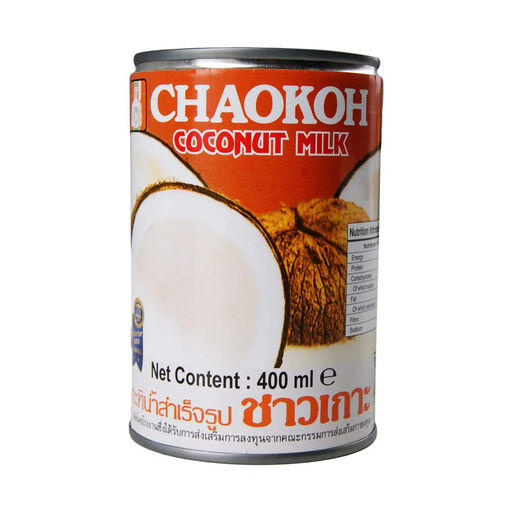 Image unavailable
A 400 ml tin to count towards a recipe calling for cooking coconut milk. Confirm the recipe volume and check the current pack’s ingredients and allergen information for guests.
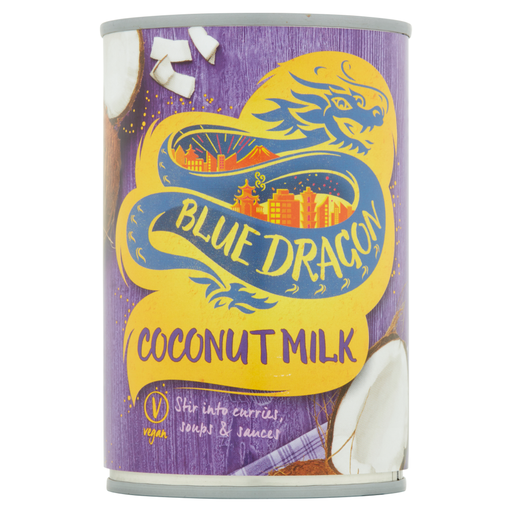 Image unavailable
A 400 ml cooking option for a savoury dish. Sainsbury's lists 56% coconut extract for Blue Dragon Coconut Milk 400ml; check the current pack’s ingredients and allergen information before serving guests.
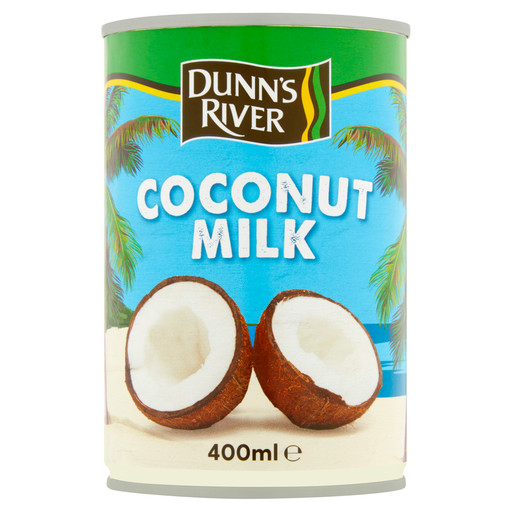 Image unavailable
This 400 ml pack gives you a measured unit for a larger coconut-milk recipe. Check the current label for ingredients, allergen information and opened-pack storage instructions.
 Image unavailable
Labelled as a 400 ml cooking coconut milk with 19% fat. Use the 400 ml size for quantity planning, and check the current pack if ingredients or allergens affect your choice.
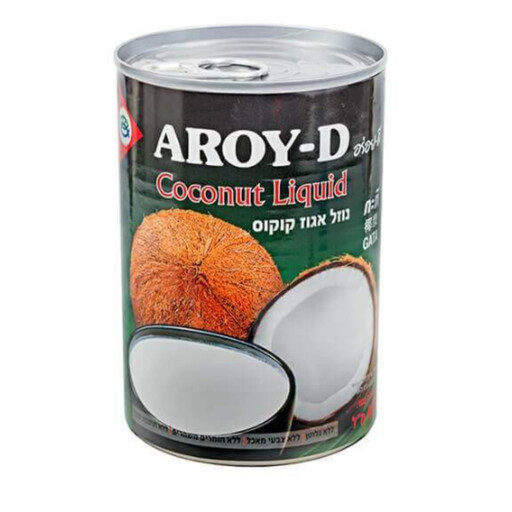 Image unavailable
A 400 ml coconut milk labelled 17% fat for a cooking recipe. Fat percentage is not a coconut-extract percentage, so check the pack if you are comparing ingredient proportions; also check its allergen information for guests.
Not as a like-for-like substitute when a sauce recipe calls for culinary coconut milk. Alpro lists 5.3% coconut milk in Coconut Original, and Tesco lists 9% in Koko Unsweetened; the cooking-can listings from Sainsbury's, Tesco and M&S describe different formulations with substantially higher stated coconut-extract proportions. Follow the recipe’s product description and check the pack.
If six UK pints means the required recipe volume, it is about 3.41 litres. Nine 400 ml packs provide 3.6 litres, while eight provide 3.2 litres. Confirm that the recipe calls for that much cooking coconut milk before buying or opening the packs.
Follow the storage and use-after-opening instructions on the exact pack. Measure the recipe before opening extra packs, and transfer and refrigerate unused contents where that pack directs you to do so.
No. Read the current product’s ingredients and allergen or may-contain information against each guest’s requirements; do not rely on vegan wording or assume that different coconut products have identical labels.