Teams cooking hot lunches
For curries, soups and sauces, start with a cooking coconut milk rather than a coconut drink. Compare labels within that product type, then test the chosen milk in the planned batch.


Choose a cooking coconut milk for a canteen curry, soup or sauce, then trial a reduced-fat version if managing saturated fat matters and the finished dish still has the texture you need. A coconut drink is a different product type, while ‘mature’ describes the coconut used in production rather than a useful specification on its own; compare the actual label, recipe results and allergen information instead.
The useful starting point is the dish being served: a hot lunch, a lighter version of an established recipe or a menu that needs careful allergen communication.
For curries, soups and sauces, start with a cooking coconut milk rather than a coconut drink. Compare labels within that product type, then test the chosen milk in the planned batch.
A reduced-fat cooking milk is worth trialling when the recipe can accommodate a change in texture. Check its saturates per 100g or 100ml and the amount used in each serving; do not judge the finished lunch from the coconut milk alone.
For non-prepacked lunches, keep supplier information and the dish-level allergen record aligned with the ingredients actually used. A vegan description is not a substitute for checking a product’s allergen statement.
Select the product type for the recipe first. Then compare labels on the same measurement basis and test any change to an established dish at the intended batch size.
| Priority | What to check | Your needs |
|---|---|---|
| Recipe texture | Choose cooking milk or a coconut drink according to the recipe. Within cooking milks, check coconut-extract percentage and fat on the exact label, then assess the finished batch. | I need a curry or soup with the intended body, not simply coconut flavour. A drink belongs at a beverage or cereal station unless the recipe has been developed for it. |
| Saturated fat | Compare saturates using the label’s stated per 100g or per 100ml basis, and account for the quantity in a served portion and the whole dish. Tesco Groceries lists 15.8g per 100ml for its Ingredient Coconut Milk and 5.2g per 100ml for Tesco Light. | If I am revising a lunch recipe to manage saturated fat, I need to know what changes in both the serving and the cooked result. Reduced-fat cooking milk still needs a recipe trial. |
| Allergen information | Check the current supplier label and every ingredient in the dish; update the allergen record if the product or recipe changes. For non-prepacked food in England, Wales and Northern Ireland, Food Standards Agency guidance says businesses must provide information about any of the 14 mandated allergens used as ingredients. | When colleagues ask about a lunch, I need accurate information for the complete dish. A vegan label alone does not settle suitability for someone with an allergy. |
| Pack handling | Match pack size to batch volume and follow the delivered pack’s instructions after opening. Tesco Groceries and M&S list refrigeration and use within two days for their cited cooking coconut milks. | Our lunch service needs a pack size we can use within its stated open-life, without assuming every coconut milk has the same storage instructions. |
| ‘Mature’ wording | Ask for product-specific details if a supplier uses ‘mature’ as a selling point. Tetra Pak’s Coconut Handbook describes mature coconuts as a production ingredient; coconut-extract and nutrition figures give more specific label checks for a recipe trial. | I need a cooking milk that works in the lunch dish, rather than choosing by a production term that does not tell me how a particular pack will perform. |
A beverage product need not give a curry or soup the body expected from cooking coconut milk. Alpro lists 1.2g saturates per 100ml for Coconut No Sugars Drink; Tesco’s standard cooking milk lists 15.8g per 100ml. Those figures describe different products, not a guaranteed result in a dish.
Buy for the intended use and test the finished recipe before changing the canteen’s cooking milk.
Tesco Groceries lists 22% coconut extract and 6.0g fat per 100ml for Tesco Light, against 59% extract and 18.1g fat per 100ml for Tesco Ingredient Coconut Milk. That label difference makes an unchanged recipe an uncertain texture match.
Trial the reduced-fat product at the planned batch yield and serving size, then decide whether the finished dish meets the menu brief.
The NHS identifies coconut milk and coconut cream as sources of saturated fat. Cooking products differ, so the amount used in a recipe matters as well as the figure on the pack.
Read the saturates value with its per 100g or per 100ml unit, then work from the quantity going into each served portion.
M&S describes its Creamy Coconut Drink as vegan but also labels it unsuitable for people with a milk allergy. For a mixed-ingredient lunch, the drink’s label would not describe the whole dish in any case.
Use current product labels to maintain a dish-level allergen record. The Food Standards Agency recommends written information supported by a conversation for non-prepacked food.
These examples illustrate differences between cooking milks and coconut drinks; each figure applies to the named product and its stated unit, not to every product from that brand.
Tesco Groceries lists both standard and light 400ml cooking coconut milks, allowing a comparison within one retailer’s range.
M&S has a cooking coconut milk and a separate coconut drink; their intended uses should not be conflated.
Koko Cuisine Coconut Milk is positioned by its manufacturer for cooking.
Alpro Coconut No Sugars is a plant-based coconut drink to consider for beverage use, rather than an assumed replacement for cooking milk.
Waitrose & Partners lists standard and reduced-fat own-label coconut milks, as well as other cooking options.
These products offer reduced-fat and standard cooking-milk options for canteen recipe trials. Choose by the dish and pack format, then check the delivered label for the nutrition, storage and allergen details needed for your menu.
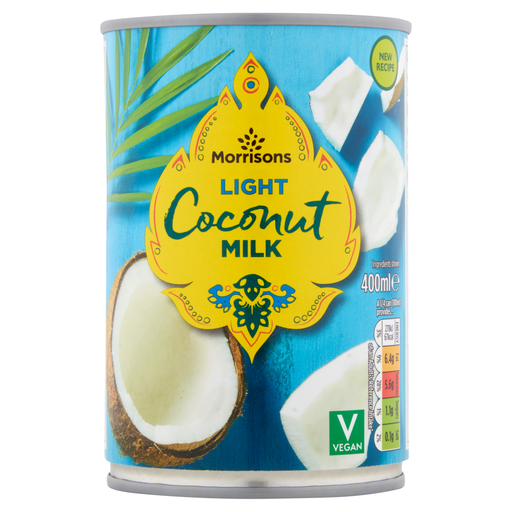 No image available
A reduced-fat cooking-milk option for trialling a curry, soup or sauce where a change in richness is acceptable. Check the finished batch and the delivered pack’s allergen and storage information before adding it to the menu.
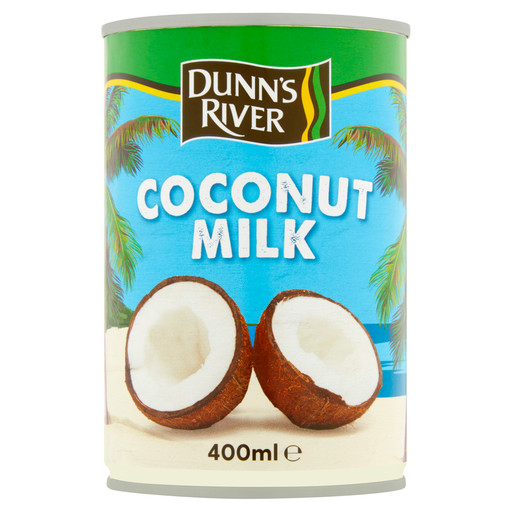 No image available
A standard cooking-milk option for a hot lunch recipe such as curry or soup. Assess the serving’s saturated-fat contribution using the delivered label, and check its allergen information against the complete recipe.
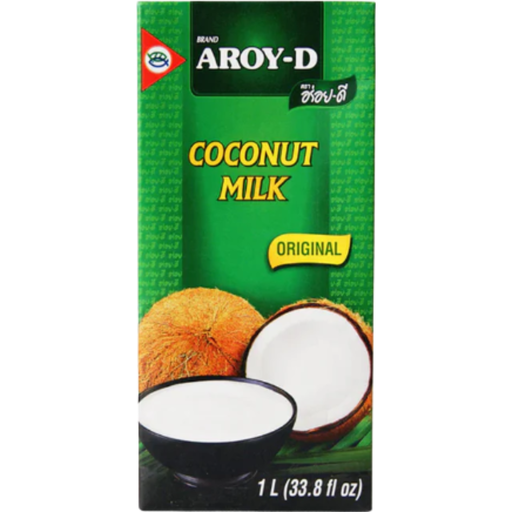 No image available
The 1L carton is a pack-format option when the planned cooking batch calls for more coconut milk. Forecast how much the service will use after opening, and check the delivered label for storage, nutrition and allergen information.
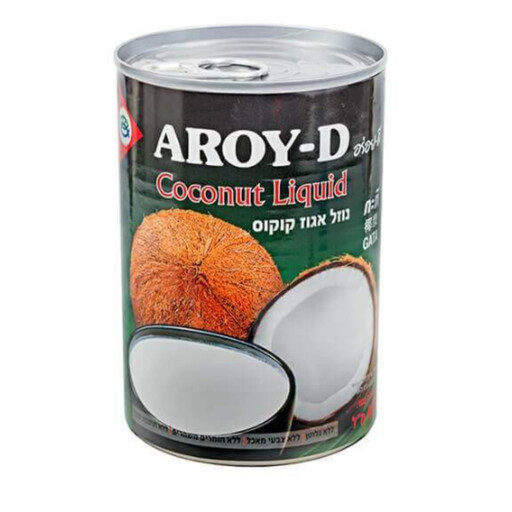 No image available
A cooking-milk option for trialling curries or other hot dishes. The 17% fat description does not replace checking saturates per 100g or 100ml on the current pack; also check its allergen and cross-contact statements for the dish record.
 No image available
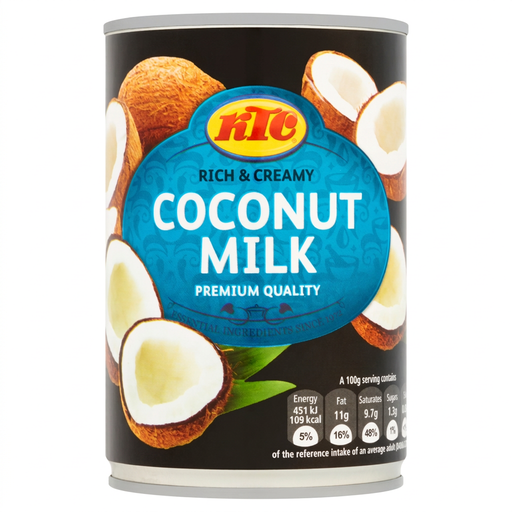
A canned cooking-milk option for a curry or soup trial. Use the delivered pack’s nutrition and allergen information when comparing the finished menu, and plan how opened contents will be handled.
Start with a cooking coconut milk. If the recipe depends on a creamy texture, trial a standard version; if saturated-fat management is a priority, trial a reduced-fat cooking version and judge the finished dish before changing the menu.
Not by itself. Tetra Pak’s Coconut Handbook describes mature coconuts as an ingredient in coconut-milk production, but the term does not tell you a particular pack’s coconut-extract content, nutrition or cooking result. Request product-specific details if a supplier uses it to distinguish a milk.
Check the current supplier information and maintain an accurate allergen record for the complete dish. For non-prepacked food in England, Wales and Northern Ireland, Food Standards Agency guidance says businesses must provide information on any of the 14 mandated allergens used as ingredients; its best practice is written information supported by a conversation.
Follow the instructions on the exact pack. Tesco Groceries and M&S instruct refrigeration and use within two days for the cited cooking coconut milks, but that instruction should not be assumed for a different product.
Do not decide from ‘vegan’ alone. M&S labels its Creamy Coconut Drink vegan while also stating that it is not suitable for people with a milk allergy. Check the product’s current allergen statement and every other ingredient in the meal.