Parents preparing cold lunches
A carton coconut drink is the relevant format for a cold drink, cereal or a smoothie; a cooking tin serves a different purpose.


Choose a coconut drink in a carton for a cold drink, cereal or smoothies; choose tinned coconut milk when preparing a curry, soup or sauce. If a child regularly uses a dairy alternative, check the drink’s fortification and the current pack’s allergen information rather than treating a cooking tin as interchangeable. If you see “mature” in a product description, check what that seller means: it does not tell you whether the product is a drink or a cooking ingredient.
A carton coconut drink is the relevant format for a cold drink, cereal or a smoothie; a cooking tin serves a different purpose.
For curries, soups or sauces, choose a cooking coconut milk and check whether the recipe calls for the richness of a full-fat tin or a lighter version.
If a child uses a coconut drink regularly, compare fortification and the nutrition panel. Check the current allergen statement against the child’s individual requirements.
Start with how the coconut product will be used, then compare the label details that matter for that lunch.
| Priority | What to check | Your needs |
|---|---|---|
| Drink or cooking ingredient | Check whether the pack says coconut drink or cooking coconut milk; match its stated uses to the meal. Do not use “mature” alone to identify the format. | I’m pouring it over cereal or making a cold drink, so I’m looking for a carton drink. For a curry or soup, I need a cooking ingredient instead. |
| Recipe richness | For tins, compare the stated coconut extract, fat and saturates on the same per 100ml or per 100g basis. Check whether the recipe needs a richer or lighter sauce. | A cooked lunch needs coconut flavour, but I want to choose the tin that suits the texture of the dish. |
| Dairy-alternative use | For a regularly used drink, check whether it is unsweetened and what calcium and other nutrients are added. Check its protein and energy values rather than assuming drinks are equivalent. | If this replaces dairy in a child’s routine, I need to compare the actual drinks. NHS guidance discusses unsweetened, calcium-fortified plant alternatives, while NHS dietetic guidance notes that some coconut-based products are low in energy and protein. |
| Allergens | Read the current ingredient and allergen statements for the exact product; follow the child’s individual allergy plan. Confirm arrangements with a school or holiday club before sending food. | A vegan or dairy-free description is not enough for my child’s allergy requirements. For example, Marks & Spencer’s Creamy Coconut Drink page says it is not suitable for someone with a milk allergy. |
| After opening | Read the pack’s refrigeration, container and use-by-after-opening instructions before choosing a size for the recipe. | Will I use the rest in another meal within the period stated on this particular pack? |
A tin intended for curries and sauces is not the same product type as a carton coconut drink. The Aroy-D cooking tin listed by Sainsbury’s contains 19g fat and 17g saturates per 100ml.
For cereal, smoothies or a cold drink, look at carton drinks; keep cooking tins for recipes that call for them.
Allergen statements differ between products: the cited Koko drink makes specific free-from claims, while Marks & Spencer’s Creamy Coconut Drink states that it is not suitable for those with a milk allergy.
Read the current pack, follow the child’s allergy plan and check the setting’s food arrangements before serving or sending it.
Fortification varies, and NHS dietetic guidance notes that some coconut-based alternatives are low in energy and protein.
Compare the nutrition panels of the exact drinks. Seek professional advice if a coconut drink is intended as a main milk source for a young child.
Storage instructions vary: the cited Marks & Spencer’s coconut milk says to refrigerate and use it within 2 days, while Sainsbury’s listing for Aroy-D specifies 3 days.
Follow your pack’s instructions and plan another recipe if the first will not use the whole tin.
Unused coconut milk may need discarding once its stated period after opening has passed.
These examples show why the exact product matters: a brand or retailer may offer drinks, cooking tins or both.
The cited Koko Unsweetened 1L product is a carton coconut drink rather than a cooking tin.
The cited Coconut Original product is a coconut drink with rice, described for uses including porridge and smoothies.
Tesco lists own-brand long-life coconut drinks alongside Koko and Alpro drinks.
The cited Sainsbury’s listings provide examples of full-fat and light tinned coconut milk for cooking.
Marks & Spencer lists a fortified Creamy Coconut Drink and a separate tinned Coconut Milk for recipes.
Waitrose lists cooking coconut milk in standard and reduced-fat versions, as well as coconut cream.
These tins are options for preparing cooked lunches such as curries, soups and sauces. For cereal or a cold drink, look for a coconut drink in a carton instead.
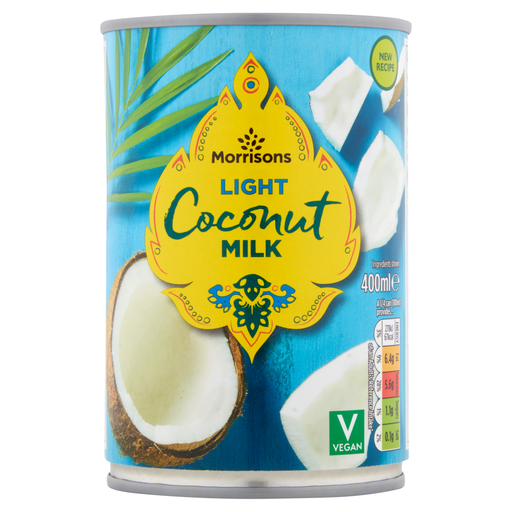 Image unavailable
A reduced-fat cooking option for a curry or soup, rather than a carton drink. After opening, transfer the contents to a non-metallic container, refrigerate and use within 2 days; check the current pack for allergen information.
 Image unavailable
A cooking coconut milk for dishes such as curries, soups and sauces, not a standalone drink. The stated fat content is 19%; follow the pack’s refrigeration instructions after opening and check its allergen statement before serving.
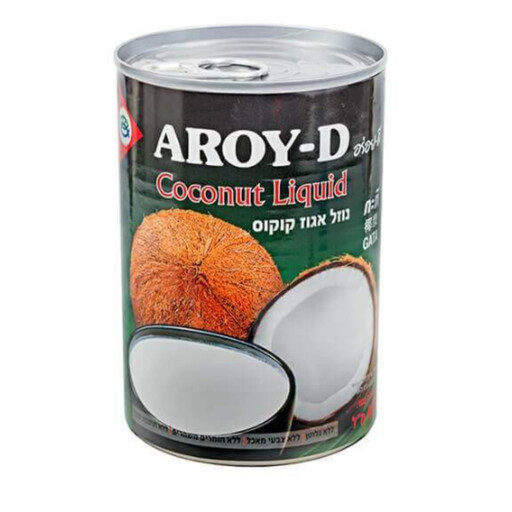 Image unavailable
A 17% fat cooking tin for a curry, soup or sauce. Its product information mentions possible traces of soya and milk, so check the current pack against the child’s allergy plan. Refrigerate after opening and use within 3 days.
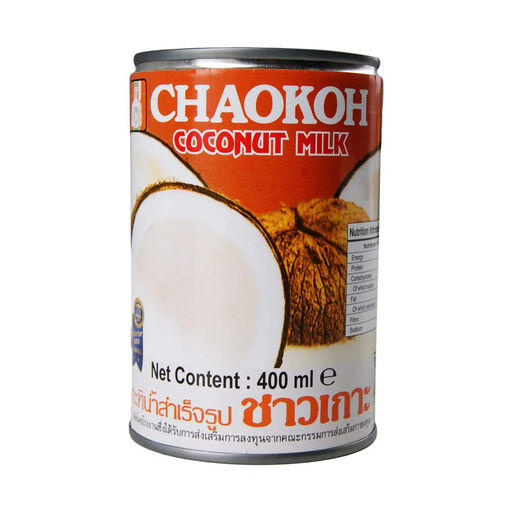 Image unavailable
A tinned ingredient for cooking or baking, including sauces and desserts. After opening, transfer the contents to a non-metallic container, refrigerate and use within 2 days. Check the current pack before serving to a child with allergies.
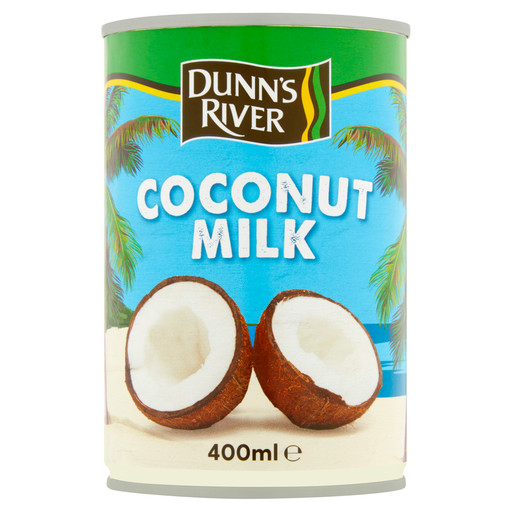 Image unavailable
A cooking coconut milk for curries, soups, stews or desserts, rather than a fortified carton drink. After opening, transfer the contents to a non-metallic airtight container, refrigerate and use within 2 days; check the pack’s allergen statement before serving.
No. The cited carton drinks are intended for uses such as cereal, porridge and smoothies, while the cited tins are cooking ingredients for dishes such as curries and soups. Check the pack’s intended use and nutrition panel rather than relying on the word “coconut”.
Compare the exact drink’s calcium fortification, other added nutrients and nutrition panel. NHS guidance includes unsweetened, calcium-fortified plant alternatives in its dairy-and-alternatives guidance, while NHS dietetic guidance notes that some coconut-based products are low in energy and protein.
Seek individual professional advice rather than deciding from a product description. The cited Koko Unsweetened pack advises consulting a GP or dietitian before using it as a main milk source for infants under 2.
Read the current pack, follow the child’s allergy plan and confirm the setting’s arrangements. Department for Education guidance says schools in England must support pupils with medical conditions, including allergies, and consider special dietary needs when changing food or menus; it does not establish an individual holiday club’s policy or rules elsewhere in the UK.
Follow the instructions on the exact pack. Sainsbury’s cited Aroy-D cooking tin says to refrigerate and use within 3 days, while the cited Koko drink says to consume within 5 days of opening; other products may give different instructions.