Families serving cereal or porridge
A pourable coconut drink is the relevant format when several people will use it at breakfast. Check the carton’s ingredients and opened-pack instructions before deciding how many to buy.


For cereal and porridge at a shared weekend breakfast, start with a 1L coconut drink rather than a tin of coconut milk intended for cooking. Choose between cartons by checking sugars, fortification, ingredients and how long they keep after opening; use a tin when the recipe calls for a richer cooking ingredient.
The intended breakfast use matters more than the shared word ‘coconut’ on the front of a pack.
A pourable coconut drink is the relevant format when several people will use it at breakfast. Check the carton’s ingredients and opened-pack instructions before deciding how many to buy.
Compare the sugars declaration on the exact cartons under consideration, rather than assuming that ‘original’, ‘creamy’ and ‘unsweetened’ describe the same formulation. The NHS advises using per-100ml or per-100g nutrition information to compare products.
Check a child’s drink for its declared protein, energy and fortification, especially if it would replace a regular milk drink. Kingston and Richmond NHS Foundation Trust notes that some dairy substitutes are low in protein or energy; individual dietary needs may call for professional advice.
Decide whether you need a drink to pour or an ingredient to cook with. Then compare the labels of cartons that suit the meal, including their storage instructions.
| Priority | What to check | Your needs |
|---|---|---|
| Format and use | Look for a ready-to-drink coconut carton for pouring. Tesco Groceries and Waitrose & Partners list 1L coconut drinks separately from 400ml tinned coconut milk; check a tin’s intended use before putting it in a breakfast basket. | I want something to pour over cereal or stir into porridge. If I am making a recipe that calls for coconut milk as a cooking ingredient, a tin may be the relevant purchase instead. |
| Sugars and saturates | Compare the sugars and saturates declarations on the same stated basis, per 100ml or per 100g. The NHS explains that nutrition labels give these standardised quantities, sometimes alongside per-portion figures. | Lower listed sugars matter to my household, or I want to compare what each person is likely to pour without relying on words such as ‘creamy’. |
| Fortification and protein | Check which nutrients the exact variant declares, then read protein and energy separately. Sainsbury's lists 120mg calcium per 100ml for Koko Unsweetened Coconut UHT; that figure does not describe every coconut drink. | I am choosing a dairy alternative and want to know what this carton contributes. If it would become a child’s main milk drink, I need advice suited to that child rather than assuming fortification makes drinks interchangeable. |
| Ingredients and allergens | Read the current pack’s ingredients and allergen information, including any product-specific suitability statement. Do not apply one variant’s statement to another drink from the same brand. | Someone at breakfast avoids a particular ingredient, so I need to check the actual carton we will serve—not just whether the drink is described as plant-based. |
| Storage and quantity | Distinguish unopened storage from instructions after opening. Marks & Spencer says its Creamy Coconut Drink should be refrigerated at 0°C to +5°C once opened and consumed within five days; follow the directions for whichever carton you buy. | We may open more than one carton over the weekend. I would rather plan how much we can use than open a multipack all at once. |
A tin of coconut milk and a ready-to-drink coconut carton are sold as different product formats. The word ‘milk’ alone does not tell you whether a product is intended for pouring over breakfast.
For cereal or porridge, start in the coconut-drink range. Buy a tin when the breakfast recipe calls for coconut milk as a cooking ingredient, and check that product’s label.
Unsweetened, original and creamy variants need not have the same sugars, saturates or added nutrients. A front-of-pack description is no substitute for the nutrition declaration.
Compare the figures for the exact variants on a consistent per-100ml or per-100g basis, then consider how much the household will use.
Calcium is only one label detail. Kingston and Richmond NHS Foundation Trust notes that some dairy substitutes are low in protein or energy, which matters when a drink would take an important place in a child’s diet.
Check protein, energy and declared fortification separately. Seek individual advice if a child needs a regular dairy replacement.
An unopened carton’s storage instructions do not tell you how long it keeps once opened. Opening several cartons together can leave more drink than the household expects to use within their stated periods.
Read each carton’s refrigeration and after-opening instructions, and open additional cartons as needed.
Cartons left beyond their stated opened-pack period may have to be discarded.
These examples help distinguish particular coconut-drink variants; a brand name alone does not establish the ingredients or nutrition of every product it sells.
Koko Unsweetened Coconut UHT is a 1L coconut drink listed by Sainsbury's. Its label information provides a concrete carton to check when comparing fortification.
Tesco Groceries lists Alpro Coconut Original Chilled as a 1L coconut-and-rice drink with added calcium and vitamins.
M&S Creamy Coconut Drink is another carton option for shoppers comparing coconut drinks by their current labels.
Tesco Groceries lists own-label 1L coconut drinks alongside branded coconut-drink options.
These options are 1L coconut drinks, including packs with several cartons. If the main job is pouring over cereal or porridge, check the intended uses and current label of the particular drink before buying.
 No image available
The eight-carton pack is an option when a household expects to use several 1L drinks. This is a Barista variant: check that its intended uses suit your breakfast, read the current ingredients if anyone avoids soya, and follow the instructions after opening each carton.
 No image available
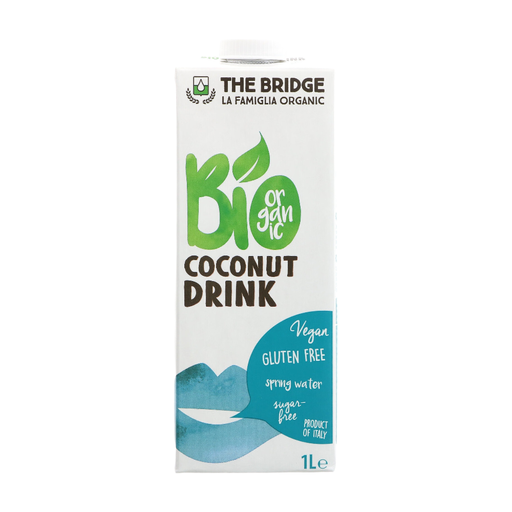
A single 1L carton lets a household choose one drink rather than a multipack. Check its intended breakfast uses and current fortification information if those affect your choice; refrigerate after opening and follow its stated 4–5-day consumption window.
 No image available
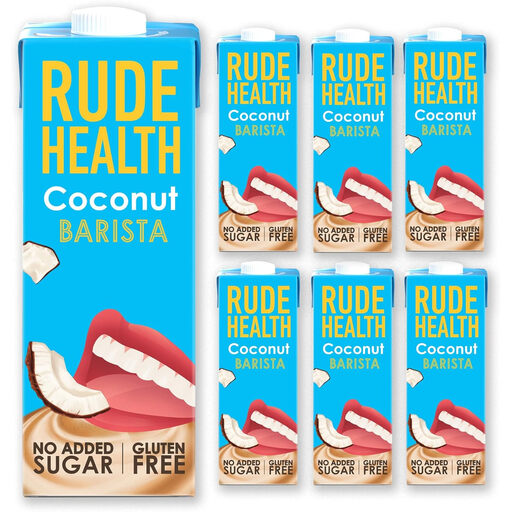
The six-carton pack suits a plan to use multiple 1L drinks, provided the household can follow each opened carton’s storage directions. Check whether this Barista variant suits cereal or porridge, and read its current ingredients if anyone avoids oats.
No. For a pour-over breakfast, look for a ready-to-drink carton; for a recipe calling for coconut milk as a cooking ingredient, check the tin. Tesco Groceries and Waitrose & Partners list 1L coconut drinks and 400ml cooking tins as separate formats, so the product name and intended use matter.
Compare the exact variants’ sugars, saturates, protein and other relevant nutrition declarations on the same per-100ml or per-100g basis. Then check their listed fortification, ingredients, allergens and storage instructions; a product’s ‘original’ or ‘creamy’ name cannot answer those questions for you.
Do not assume that a coconut drink is nutritionally interchangeable with the child’s usual milk drink. Kingston and Richmond NHS Foundation Trust notes that some dairy substitutes are low in protein or energy; check the exact product and seek individual advice from a GP or dietitian if you need to change a child’s main drink.
Follow the instructions on that particular carton, rather than its unopened storage description. Marks & Spencer specifies refrigeration at 0°C to +5°C and consumption within five days after opening for its Creamy Coconut Drink; other products need their own instructions checked.
No. Allergy suitability depends on the exact product and its current ingredients and allergen information, not the plant-based description or the brand name. Check the pack before serving it to anyone with a diagnosed allergy.