Cooks making a large curry or sauce batch
Start with cooking coconut milk if you want a ready-to-use base. Compare coconut extract, fat and pack volume on the products you are considering, then work out how much the recipe will use.


For a curry, soup or sauce where coconut richness matters, choose cooking coconut milk rather than a coconut drink, and compare the exact pack’s coconut-extract and fat figures. A 400ml pack can suit a recipe that uses most of it; a 1L pack calls for a plan for the opened contents, while a creamed-coconut block lets you measure smaller amounts but needs preparing before use. Compare reduced-fat cooking milk separately if fat content matters more to you than matching a full-fat recipe.
Start with cooking coconut milk if you want a ready-to-use base. Compare coconut extract, fat and pack volume on the products you are considering, then work out how much the recipe will use.
Consider how much will remain after the first recipe. Reviewed 400ml cans and a 1L carton specify post-opening periods of two or three days, depending on the product. The Blue Dragon creamed-coconut block listed by Waitrose specifies up to four weeks refrigerated after opening, but it needs measuring and dissolving.
Distinguish cooking coconut milk from a coconut drink, and check the current pack’s ingredients and allergen statement before adding it to a shared meal. A block, can and drink should not be assumed to have the same recipe.
Start with the amount your recipes require, then compare cooking format, label figures and instructions for any contents left after opening.
| Priority | What to check | Your needs |
|---|---|---|
| Sauce texture | Check that the product is cooking coconut milk, then compare coconut-extract percentage and fat on the same stated nutrition basis. Tesco lists 51% coconut extract for its standard 400ml milk and 59% for its Ingredient version; Alpro UK describes Coconut Original as a drink containing 5.3% coconut milk. | I’m making a curry or sauce where a coconut drink’s different formulation may change the result. |
| Pack volume | Match the pack to the recipe quantity. Check the exact post-opening instructions: Tesco’s reviewed 400ml cans specify two days refrigerated, while Tesco’s Tropical Sun 1L listing specifies three days. | A 1L pack makes sense for me only if my planned cooking uses it within the period on the pack. |
| Measured portions | Check whether a creamed-coconut block can be grated or dissolved as your recipe requires, and read its own storage and allergen statements. Waitrose lists up to four weeks refrigerated after opening for its Blue Dragon block. | I cook smaller batches at different times and would rather measure the coconut ingredient than open a large pack of milk. |
| Fat content | Compare fat and saturates per 100ml or per 100g without treating those units as interchangeable. Check a reduced-fat cooking milk’s own nutrition panel and intended use rather than assuming it will give the same result as a full-fat one. | I want to choose deliberately between the recipe’s intended richness and a different fat content. |
| Ingredients | Read the exact ingredient and allergen statements. Tesco’s reviewed standard and Ingredient milks have different ingredient lists, while the reviewed Blue Dragon block carries a may-contain-peanuts-and-nuts statement in the Waitrose product information. | When I’m cooking for other people, I need to check the particular pack I will put in the meal. |
Alpro UK lists 0.9g fat per 100ml for Coconut Original drink. That is a different formulation from the cooking milks in the reviewed Tesco and Sainsbury’s listings, so a substitution may change the body of a batch sauce.
For a curry, soup or sauce, check which coconut product the recipe calls for. Use a drink instead only if a different result suits that recipe.
More may be left to use than you planned. Tesco’s reviewed Tropical Sun 1L listing instructs users to refrigerate it after opening and use it within three days.
Work out the total amount needed across the recipes you will cook in that period. If it is much less than 1L, consider a smaller pack or a creamed-coconut block.
An opened pack left beyond its stated use period can mean discarded food.
Fat and saturates figures differ between cooking products, and an ingredient or allergen statement may affect whether a product suits the people eating the batch.
Compare nutrition on the same per-100ml or per-100g basis where possible, and check the current pack’s ingredients and allergen statement before cooking.
These examples illustrate label and format differences; a retailer’s range is not a specification for every product it sells.
Tesco lists standard and Ingredient cooking coconut milks in 400ml cans.
Sainsbury’s lists cooking coconut milks from specialist brands as well as own-label products.
M&S lists a 400ml cooking coconut milk alongside a separate reduced-fat option.
Waitrose lists standard and reduced-fat coconut milks, coconut cream and a creamed-coconut block.
Alpro Coconut Original is identified by Alpro UK as a coconut drink.
These options cover ready-to-use coconut milk in different listed pack sizes and a creamed-coconut block for measured use. Choose by the amount your recipes need, then check the current pack for ingredients and instructions after opening.
 No image available
A ready-to-use cooking milk to consider when a planned curry, soup or sauce uses around 400ml. The title states 19% fat; check the current pack’s ingredients and instructions for any opened contents.
 No image available
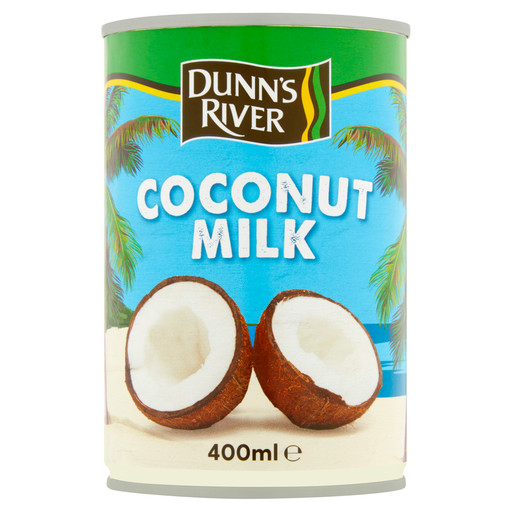
The listed 400ml size is worth considering for a recipe that uses about one pack. Check its nutrition and post-opening instructions before deciding how it fits into several planned meals.
 No image available
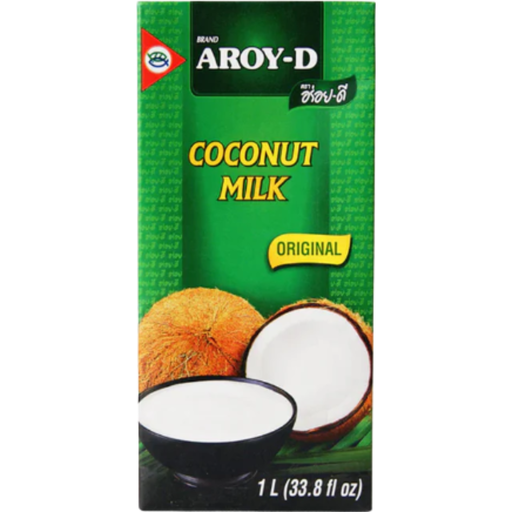
The listed 1L pack is for a cook that needs a larger quantity. Plan how you will use any remainder, and check the exact pack’s nutrition and post-opening instructions.
 No image available
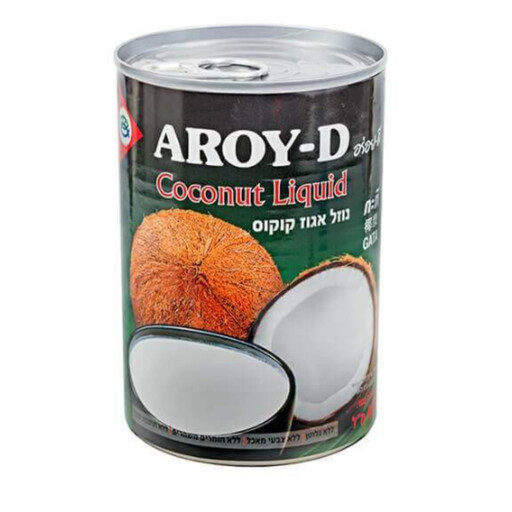
Check the quantity before planning a batch: the product title says 400 ML, but its description says 165ml. Check the current pack’s allergen statement and storage instructions too.
 No image available
A concentrated block to consider when recipes call for measured amounts of coconut. Grate or dissolve it as the recipe requires rather than using it as ready-to-pour milk, and check this block’s own storage instructions.
You can use it only if a different result suits the recipe. Alpro UK identifies Coconut Original as a drink and lists 5.3% coconut milk and 0.9g fat per 100ml; the reviewed cooking milks have different formulations. Check the product type before substituting it in a sauce.
Choose the size that your planned recipes will use within the pack’s post-opening period. Tesco’s reviewed Tropical Sun 1L listing says to refrigerate after opening and use within three days; its reviewed 400ml own-label cans specify two days. A larger pack is less useful if much of it will remain unused.
Cooked dishes can be prepared for freezing: GOV.UK food-hygiene guidance advises cooling them before freezing, dividing them into smaller portions and labelling them. That guidance is written for food businesses; for a home batch, also follow the storage instructions relevant to your ingredients and finished dish.
Follow the exact product’s instructions rather than one rule for every format. Tesco’s and M&S’s reviewed cans specify two days after opening, while the reviewed Aroy-D and Tropical Sun cooking milks specify three days. Waitrose’s reviewed Blue Dragon creamed-coconut block gives a different period: up to four weeks refrigerated after opening.