Bakers making coconut desserts
If coconut milk contributes to a cake, filling or cream-style dessert, check that the product is a cooking milk and compare its ingredients with the recipe’s requirements.


Choose tinned cooking coconut milk when a Christmas baking recipe relies on it for richness; use a carton coconut drink only when the recipe accepts a milk alternative. If several recipes call for tins, a 6 × 400ml pack provides 2.4 litres—not six pints—so add up the quantities you need before choosing a multipack.
If coconut milk contributes to a cake, filling or cream-style dessert, check that the product is a cooking milk and compare its ingredients with the recipe’s requirements.
A six-tin pack is worth considering when the combined recipes call for that quantity. Check how much each recipe uses and how you will store any opened tin.
A coconut drink and a tinned cooking milk are different formats. Check which one the recipe requests, then read the chosen product’s ingredient and allergen information.
Start with the ingredient the recipe calls for, then work out the quantity and check the exact product label.
| Priority | What to check | Your needs |
|---|---|---|
| Cooking milk or drink | Check whether the recipe calls for tinned coconut milk or a pourable milk alternative. Compare coconut content and fat only where the labels use a comparable basis: Sainsbury’s lists Aroy-D cooking milk at 70% coconut extract and 19g fat per 100ml; Tesco lists Koko Unsweetened drink at 9% coconut milk and 1.4g fat per 100ml. | I’m making a dessert that relies on coconut milk for richness, rather than simply replacing milk in a recipe. |
| Pack quantity | Add up the millilitres required by your recipes. Biona Organic and Costco UK list coconut-milk packs of 6 × 400ml, totalling 2.4 litres; compare that amount with individual tins. | Several bakes might use a six-tin pack, but for one recipe I’d rather buy only the tins it needs. |
| Reduced-fat option | Check whether the recipe allows a reduced-fat coconut milk and compare the chosen product’s label with the ingredient specified. Amoy describes its reduced-fat milk as having 30% less fat than Amoy rich coconut milk; that comparison does not describe every other tin. | I’m considering a reduced-fat version, but the recipe may depend on the richness of a standard or richer tin. |
| Ingredients and storage | Read the current ingredient and allergen information for the exact variant. Follow its instructions for refrigerating and using any opened product; the stated period differs between products. | I need to check what is in the product and whether I can use an opened tin within its labelled period. |
The formats can differ substantially. Sainsbury’s lists Aroy-D tinned coconut milk at 19g fat per 100ml, while Tesco lists Koko Unsweetened drink at 1.4g per 100ml; a substitution can change a recipe that relies on the coconut ingredient for richness.
Use the format named by the recipe. Choose a carton as a substitute only when the recipe allows a milk alternative.
A pack marked 6 × 400ml contains 2.4 litres. Mistaking the number of tins for the volume could leave you with the wrong quantity for planned recipes.
Add up the required millilitres and compare them with the pack label before buying.
Amoy states that its reduced-fat coconut milk has 30% less fat than its own rich version. It should not be assumed to give the same result in a recipe built around a richer ingredient.
Check the recipe’s substitution guidance and the product’s fat information before changing formats.
Waitrose & Partners lists soya in Alpro Barista Coconut, while opened-tin instructions differ between the coconut milks listed by Sainsbury’s and Joybuy.
Read the current label for the exact product, including allergen information and how long it may be kept after opening.
These examples show how coconut drinks, cooking milks and reduced-fat versions are described; check the exact product rather than relying on the brand name alone.
Koko’s coconut drinks are a separate format from tinned cooking milk.
Alpro Barista Coconut is a coconut drink, not automatically an equivalent to tinned coconut milk.
Sainsbury’s lists individual 400ml cooking coconut milks with differing compositions.
M&S identifies tinned coconut milk as an option for baking and also lists reduced-fat coconut milk.
Waitrose lists cooking coconut milk, reduced-fat coconut milk and coconut cream as separate products.
Tesco lists tinned coconut milk and coconut drinks in separate categories.
These are individual coconut-milk products to compare when a recipe calls for cooking coconut milk. Check the stated pack unit and add up the quantity needed for several bakes.
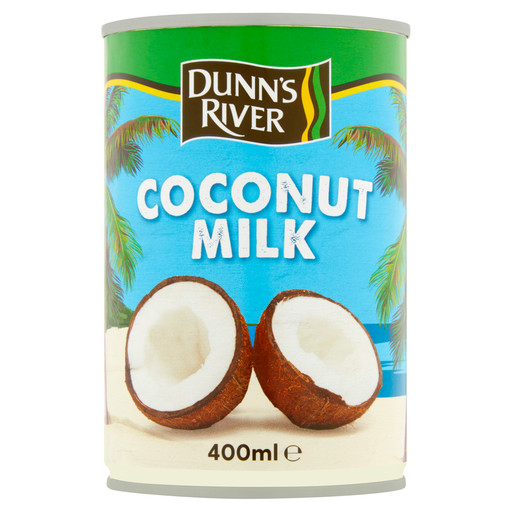 No image available
A 400ml coconut milk option for a recipe calling for a cooking-style coconut ingredient. Check the current label for ingredients and opened-product instructions.
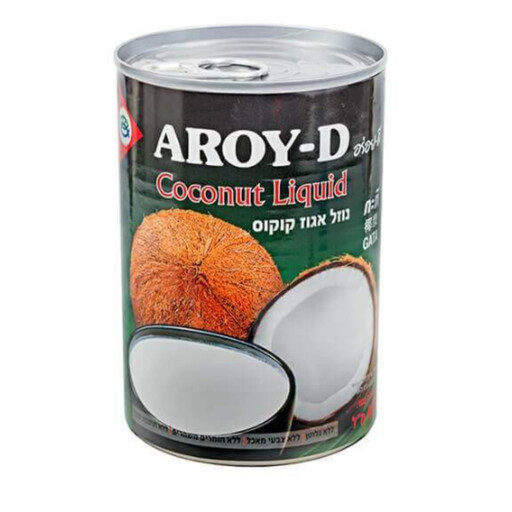 No image available
A single 400 ML coconut milk for a planned bake. The title states 17% fat; check the current pack before comparing its fat figure with products labelled per 100ml or per 100g, and check its allergen information.
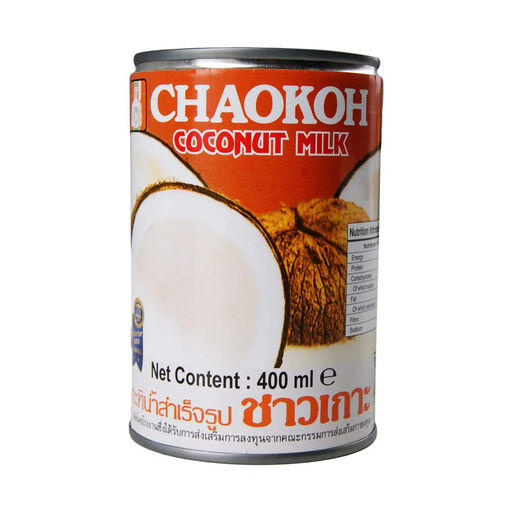 No image available
A 400ml coconut milk option when buying for an individual baking recipe. Check the current pack for ingredients and directions for using any remainder after opening.
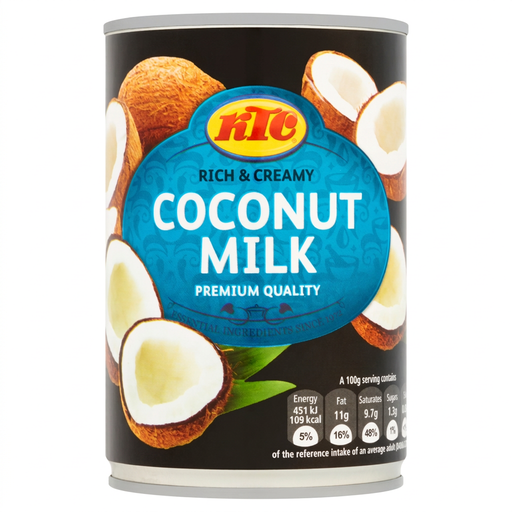 No image available
A cooking coconut milk whose Joybuy listing names desserts as a use and states 54.55% coconut extract. Its listed ingredients include stabilisers; the listing instructs shoppers to transfer opened contents to a suitable non-metallic container, cover, refrigerate and consume within two days.
 No image available
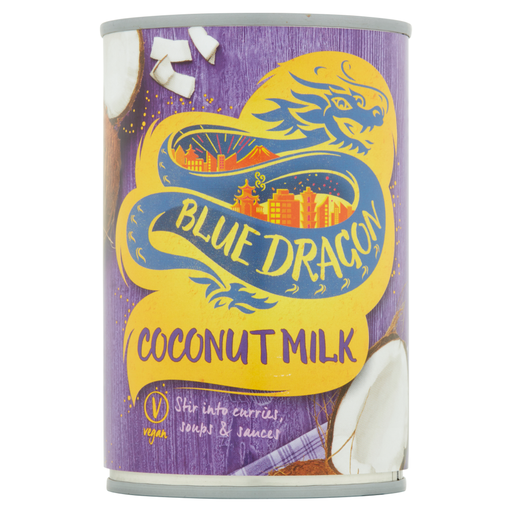
A 400ml coconut milk option to consider for a recipe specifying cooking coconut milk. Check the current label for ingredients, allergen information and opened-product storage directions.
Use a cooking tin when the recipe relies on tinned coconut milk for richness; choose a carton only if the recipe accepts a milk alternative. M&S identifies tinned coconut milk as an ingredient for baking, while Tesco lists Koko Unsweetened as a coconut drink with 9% coconut milk.
No. The 6 × 400ml packs listed by Biona Organic and Costco UK contain 2.4 litres in total. Compare that metric quantity with the amounts in your recipes rather than treating the six tins as a pint measurement.
Separation alone does not establish that the product is unusable: Sainsbury’s says its coconut milk can solidify in cold conditions and return to a liquid state on heating. Check the date, packaging and product instructions, and follow any mixing directions on the tin.
Follow the instructions for the exact product. Sainsbury’s says to refrigerate its own coconut milk and use it within three days of opening; Joybuy’s KTC listing says to transfer opened contents to a suitable non-metallic container, cover, refrigerate and consume within two days.
Check the ingredients and allergen information for the exact tin or drink before using it in a recipe. For example, Waitrose & Partners lists soya in Alpro Barista Coconut, so a coconut drink should not be assumed to contain only coconut ingredients.