What to check before buying
Start with the format named in the recipe, then compare composition, pack quantity and instructions for the product you intend to use.
| Priority | What to check | Your needs |
|---|
| Recipe format |
Check whether the recipe specifies canned coconut milk, coconut cream or a milk alternative. A cooking carton is another format to assess against the recipe’s wording and required quantity. |
My dessert calls for canned coconut milk, so I do not want to substitute a coconut drink without checking whether the recipe permits it. |
| Coconut content and fat |
Read the exact ingredient and nutrition panels. Tesco lists 51% coconut extract and 15g fat per 100ml for its standard can; Marks & Spencer lists 60% extract and 17.3g fat per 100g for its standard can. Keep the different nutrition bases in mind when comparing figures. |
For a bake that relies on coconut milk for body, I want to know what is in the cooking product, not judge it by the front-of-pack name alone. |
| Reduced-fat option |
Compare variants within the same range. Marks & Spencer lists 33% coconut extract and 9.3g fat per 100g for its reduced-fat can, against 60% and 17.3g per 100g for its standard can. |
A different result is acceptable in this recipe, and I am choosing the reduced-fat variant deliberately rather than treating it as the same ingredient. |
| Dietary and allergen details |
Read the current pack’s ingredients, allergen information and any precautionary wording. The Food Standards Agency explains that precautionary allergen labelling communicates possible unintended allergen presence. |
When baking for someone with an allergy or intolerance, I need the information for the pack I am using, not an older product listing. |
| Quantity and leftovers |
Check the recipe’s required volume against the pack size, then follow that product’s opened-pack instructions. Marks & Spencer directs customers to transfer unused contents from its standard can, cover, refrigerate and use them within 2 days. |
If I am making several desserts, I want enough for the measured recipe quantities and a plan for any opened product left over. |
Brand and retailer references
These examples show why it matters to compare individual products: a brand or retailer may offer cooking cans, reduced-fat versions, cream or coconut drinks.
Tesco
Tesco’s own-label 400ml cooking coconut milk is a canned ingredient.
- Tesco lists 51% coconut extract and 15g fat per 100ml for the checked can.
- Check the current pack for its ingredients and preparation instructions, particularly if its contents have separated.
M&S
The checked Marks & Spencer range includes standard and reduced-fat canned coconut milk, as well as coconut cream.
- Its standard can lists 60% coconut extract and 17.3g fat per 100g; its reduced-fat can lists 33% and 9.3g per 100g.
- Select the specific variant the recipe needs; the two cans do not have the same stated composition.
Waitrose
Waitrose lists standard and reduced-fat coconut milk, coconut cream and other coconut-milk products in its range.
- The listed formats give shoppers several ways to match a recipe that specifies milk or cream.
- Compare the exact item’s ingredient and nutrition panels rather than assuming products in the same category have the same composition.
Alpro
Alpro Coconut Original is a coconut drink positioned as a plant-based milk alternative, rather than canned cooking coconut milk.
- For the checked drink, Alpro lists 5.3% coconut milk and 0.9g fat per 100ml.
- Use it for a bake calling for a milk alternative, not as an assumed replacement for a specified cooking can.
Koko Dairy Free
Koko Original Like Milk is a coconut-based milk alternative.
- Koko lists 11% coconut milk and 2.5g fat per 100ml for the checked drink.
- Check that the recipe permits a drink rather than canned coconut milk or cream.
Sainsbury's
Sainsbury's lists an own-label 400ml coconut milk for shoppers seeking a cooking product.
- The stated pack size can be checked against the quantity a recipe requires.
- Sainsbury's advises customers to read the current label because product ingredients can change.
Coconut milk options on Joybuy
These cooking coconut milk options include smaller packs, 400ml products and a 1L carton. Match the recipe’s format and quantity, then check the individual pack for the composition and dietary details that matter to your bake.
 No image available
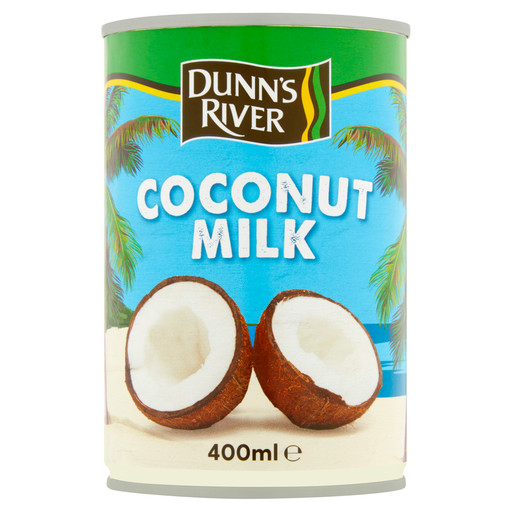
Dunns River Coconut Milk 400ml
A 400ml coconut milk option for a recipe calling for a cooking ingredient. Check the purchased pack’s allergen information before allergy-sensitive baking; the listing’s allergen statement should not replace that check. Its opened-pack directions call for transferring leftovers to an airtight container, refrigerating them and using them within 2 days.
View on Joybuy
 No image available
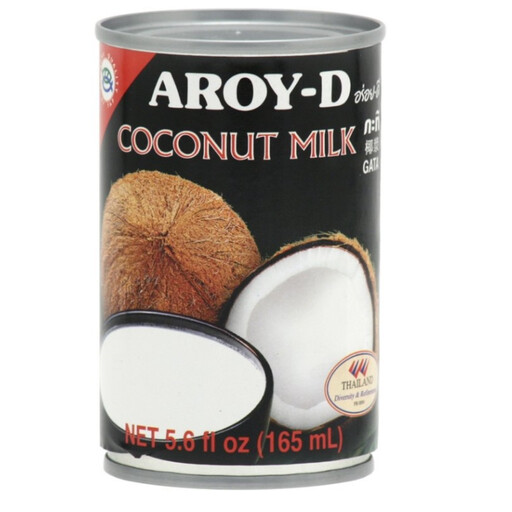
AROY-D Coconut Milk 165 ml
The 165 ml size is worth checking against a recipe needing a smaller measured quantity. The listing warns that the product may contain traces of nuts; inspect the current pack if this matters for anyone eating the bake. Its opened-pack directions say to refrigerate and use within 2 days.
View on Joybuy
 No image available
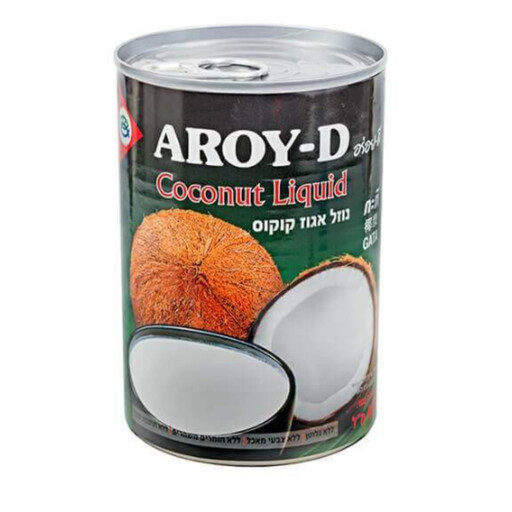
AROY-D Coconut Milk 17% Fat 400 ML
This 400 ML coconut milk states 17% fat in its product name. Check the pack’s nutrition and ingredient panels if the recipe depends on a particular composition. The listing warns that it may contain traces of soy and milk, making the current pack particularly important to check for allergy-sensitive or dairy-free baking.
View on Joybuy
 No image available
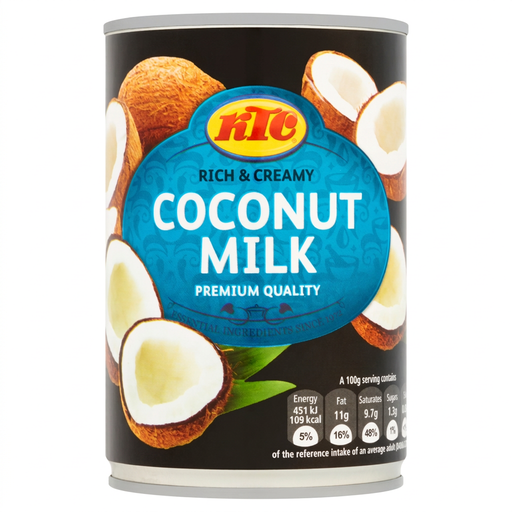
KTC Coconut Milk 400G
A 400G coconut milk option for recipes calling for a cooking ingredient. If richness is important to the result, compare the current pack’s nutrition panel with other products on the same measurement basis. Follow its instructions for transferring and refrigerating any opened contents.
View on Joybuy
 No image available
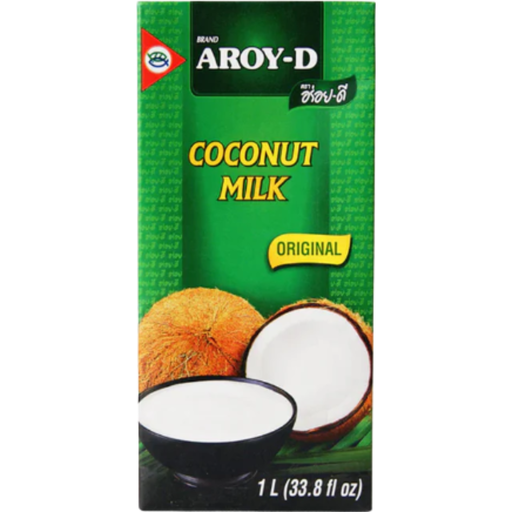
AROY-D Original Coconut Milk 1L carton
This 1L carton may suit a recipe or batch plan that accepts coconut milk in this format. Check the recipe’s measured quantity rather than assuming a carton is interchangeable with a specified can. The listing says to refrigerate after opening and consume within 3 days.
View on Joybuy
Frequently asked questions
Does “mature coconut milk” mean I should buy a coconut drink?
No: use the product format specified by the Christmas baking recipe, rather than treating “mature” as a drink category. The checked Alpro and Koko products are coconut-based milk alternatives, while the checked Tesco and Marks & Spencer products are cooking cans. Choose a drink when the recipe accepts a milk alternative.
Should I use standard or reduced-fat coconut milk in a dessert?
Use the variant specified by the recipe, especially when coconut milk contributes body. Marks & Spencer lists 60% coconut extract and 17.3g fat per 100g for its standard can, against 33% and 9.3g per 100g for its reduced-fat can. Those differences mean the reduced-fat version should not be assumed to produce the same result.
When does a Christmas dessert call for coconut cream?
Buy coconut cream when the recipe specifies it, rather than automatically replacing a measured quantity of coconut milk. Marks & Spencer suggests tinned coconut cream for desserts including rice pudding, panna cotta and chocolate mousse; follow the quantities and method of the recipe you are making.
How should I handle leftover canned coconut milk?
Follow the opened-pack directions for the exact product. Marks & Spencer instructs customers to transfer unused contents from its standard can to a covered non-metallic container, refrigerate them and use them within 2 days. Do not apply one product’s opened-pack instructions to every can or carton.
What should I check when baking for someone with an allergy?
Read the purchased pack’s full ingredients, allergen information and any precautionary statement before baking. The Food Standards Agency explains that wording such as “may contain” communicates possible unintended allergen presence. A retailer listing or another product in the same brand range is not a substitute for the current pack.


