For coffee, tea or a simple warm drink, choose a pourable organic coconut drink with a stated coffee or hot-drink use; reserve canned organic coconut milk for a cooked recipe. If foaming matters more than an organic claim, consider a barista coconut drink, but check its own label rather than assuming it is organic. UK organic plant-based drinks cannot be fortified with nutrients, according to the UK SACN and COT assessment.
Who is each format for?
The useful distinction is between a pourable drink for a mug, a barista drink for foam and a culinary milk for a cooked recipe.
Organic-first hot-drink buyers
If an organic claim matters most, look for a pourable coconut drink whose label confirms it and whose product information covers your intended use. Rude Health lists an organic coconut drink for coffee, while Plenish lists an organic coconut-and-rice drink.
Home coffee drinkers who want foam
If you steam coconut drinks for lattes or cappuccinos, look at a barista formulation. Koko describes its Barista Foamy Milk as suitable for hot drinks and latte art; check the individual pack if you also require an organic claim.
Cooks making warm coconut recipes
If the coconut milk will go into a cooked soup or dessert, a culinary can is another format to consider. Waitrose lists Duchy Organic Coconut Milk for curries, soups and desserts, rather than as an everyday coffee drink.
What should you check before buying?
Choose the format for the drink or recipe first, then check the organic claim, ingredients and pack instructions on the exact product.
Pourable organic drink
Choose it when: You want to pour a coconut drink into coffee or use it in a simple winter warmer.
Trade-off: A UK organic plant-based drink cannot be fortified with nutrients, according to the UK SACN and COT assessment.
Barista coconut drink
Choose it when: Foaming for a steamed coffee is the deciding feature; Koko describes its barista drink for hot drinks and latte art.
Trade-off: Barista use does not establish an organic claim, so check the particular product label if you require one.
Culinary coconut milk
Choose it when: You are cooking a coconut-based soup or dessert rather than adding a splash to coffee.
Trade-off: A cooking can serves a different purpose from a pourable coffee drink; check the recipe and the pack’s opened-storage instructions.
| Priority | What to check | Your needs |
|---|
| Organic status |
Look for an organic claim on the exact pack and its certification information. Defra’s UK organic labelling guidance says organic-labelled foods must meet production rules and certification conditions. |
I want an organic coconut drink, not just one described as dairy-free or plant-based. |
| Intended use |
Check for a stated coffee or hot-drink use if it is going into a mug. For a cooked recipe, check whether the product is a culinary milk; Waitrose lists Duchy Organic Coconut Milk with 60% organic coconut extract for soups, curries and desserts. |
For a quick coffee or warm spiced drink, I want something pourable. If I am cooking a coconut-based recipe, a can may suit the method instead. |
| Foaming |
Look for a specific barista or steaming use rather than relying on the word coconut. Koko says its Barista Foamy Milk is suitable for hot drinks and latte art. |
A cappuccino or latte needs a product intended for that use; an organic claim alone does not answer my foam question. |
| Ingredients and nutrients |
Compare ingredient and nutrition panels on the exact products. Plenish describes its organic drink as water, organic coconut, rice and salt; the UK SACN and COT assessment says organic plant-based drinks cannot be fortified with nutrients. |
I may prefer a short ingredient list, or I may be looking for added nutrients. I need to decide which matters before treating those drinks as interchangeable. |
| Opened-pack use |
Read the refrigeration and use-by instructions after opening. Sainsbury’s lists five days after opening for Rude Health Coconut Drink; other products need their own pack instructions checked. |
If I only make an occasional winter drink, I want a pack I can use within its stated opened-storage period. |
Which mix-ups are worth avoiding?
-
Assuming every coconut milk is intended for coffee
Waitrose presents its Duchy Organic Coconut Milk as a culinary product for curries, soups and desserts. That intended use differs from a carton explicitly described for coffee.
For a drink you will pour straight into a mug, start with product information that mentions coffee or hot drinks. Choose culinary milk when it fits the recipe you plan to cook.
-
Assuming an organic plant drink has added nutrients
The UK SACN and COT assessment says plant-based drinks labelled organic in the UK cannot be fortified with nutrients. Organic status therefore does not establish added calcium or vitamins.
If added nutrients are part of your buying decision, compare the nutrition panels of the exact drinks rather than inferring their contents from an organic or dairy-free label.
-
Expecting a barista drink to have a short organic ingredient list
A barista label describes intended drink use, not organic certification or a particular ingredient list. Koko describes its Barista Foamy Milk for hot drinks and latte art, while Plenish describes a four-ingredient organic coconut drink.
Decide whether foaming or an organic claim is the firm requirement, then read the ingredient list and label of the product you are considering.
-
Forgetting the instructions after opening
Sainsbury’s listing for Rude Health Coconut Drink says to refrigerate it and use it within five days of opening. Storage instructions belong to the individual product, not to every coconut drink or can.
Check the pack before opening it and plan how you will use the remainder within its stated period.
Which brands illustrate the choices?
These product-line references show why brand name alone cannot settle the choice: intended use and organic status need checking on the individual product.
Rude Health
Sainsbury’s lists Rude Health Coconut Drink as an organic coconut-and-rice drink and describes using it in coffee.
- A stated coffee use makes this particular carton relevant to a pourable winter drink.
- The organic claim for Coconut Drink should not be assumed to apply to other Rude Health coconut products.
Plenish
Sainsbury’s lists a Plenish organic coconut-and-rice UHT drink, while Plenish describes its coconut drink as made with water, organic coconut, rice and salt.
- The short stated ingredient list provides a concrete point of comparison for ingredient-focused buyers.
- Check the exact carton’s hot-drink directions if coffee performance is your deciding requirement.
Koko
Koko describes its Barista Foamy Milk as suitable for hot and cold drinks and latte art.
- That stated barista use is relevant when preparing a steamed coffee.
- Do not infer an organic claim from the barista name; check the particular pack if organic status matters.
Waitrose Duchy Organic
Waitrose lists Duchy Organic Coconut Milk as a culinary product for curries, soups and desserts, with 60% organic coconut extract.
- Its stated uses make the can relevant to cooked winter recipes.
- Its culinary positioning does not establish how it will work as a coffee drink.
Alpro
Tesco lists Alpro coconut drinks alongside an Alpro Barista Coconut option.
- The separate barista listing gives coffee drinkers a clearly named format to examine.
- Check the individual product label rather than assuming the coconut range carries an organic claim.
Joybuy options for coffee drinks
These Joybuy options are barista-style coconut drinks presented for coffee use. If organic status is essential, check the claim on the exact pack before choosing either one.
 No image available
Alpro Barista Coconut Long Life Drink 8 x 1L
Described for coffee and cappuccinos, including foaming. The listed formula includes calcium and vitamins B2, B12 and D2, and the allergen information identifies soya. Check the pack for an organic claim if you require one.
View on Joybuy
 No image available
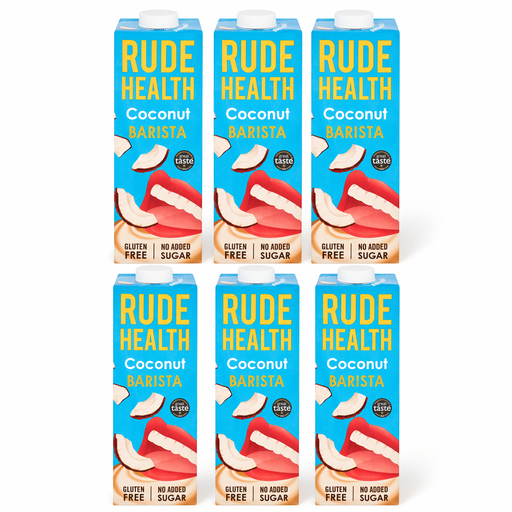
Rude Health Barista Coconut 1L (listing marked 6)
Presented for coffee drinks including cortados and cappuccinos. The description identifies coconut and oats, with oats listed as an allergen. The title includes “6” while the description refers to a 1L carton, so confirm the pack quantity; check the pack separately for an organic claim.
View on Joybuy
Questions about organic coconut drinks
What does “organic” mean on a coconut drink sold in the UK?
It is a regulated labelling claim, not another word for plant-based. Defra’s UK organic labelling guidance says a food labelled organic must meet applicable production rules, and the product and its suppliers must be certified by an approved organic control body. Check the organic claim and certification information on the product you intend to buy.
Should I buy a carton or a can for a hot winter drink?
Choose a pourable coconut drink with a stated coffee or hot-drink use for a simple drink in a mug; consider culinary coconut milk when the recipe involves cooking. Sainsbury’s describes Rude Health Coconut Drink for coffee, whereas Waitrose presents Duchy Organic Coconut Milk for curries, soups and desserts.
Can an organic coconut drink contain added calcium or vitamins?
A plant-based drink labelled organic in the UK cannot be fortified with nutrients, according to the UK SACN and COT assessment. If added calcium or vitamins affect your choice, compare the exact products’ nutrition panels rather than assuming an organic and a fortified drink have the same contents.
How long can I keep a coconut drink after opening?
Follow the instructions on the individual pack. Sainsbury’s listing for Rude Health Coconut Drink says to refrigerate it after opening and use it within five days; that period should not be applied to other cartons or cans.


