Couples making a coconut-based main
For a curry, soup, rice dish or sauce for two, check that the product is intended for cooking. Match the pack size to the recipe and decide how you will use any remainder.


For a curry, sauce, soup or dessert that calls for a creamy coconut base, start with cooking coconut milk rather than a coconut drink. Consider a reduced-fat cooking version if that matters more to you than richness, and choose a pack size that fits the recipe or leaves you with a plan for the remainder. A coconut drink suits a recipe that specifically calls for a plant-based milk alternative, but should not be assumed to give a sauce the same texture.
For a curry, soup, rice dish or sauce for two, check that the product is intended for cooking. Match the pack size to the recipe and decide how you will use any remainder.
Cooking coconut milks and lighter versions have different formulations. Compare the exact nutrition labels and the quantity going into your dish rather than relying on the words “rich” or “light”.
A coconut drink may suit coffee or a recipe calling for a plant-based milk alternative. For a creamy coconut sauce, look at cooking coconut milk instead; the two formats should not be treated as interchangeable.
Start with what the recipe calls for, then compare the exact pack’s ingredients, nutrition and storage instructions.
| Priority | What to check | Your needs |
|---|---|---|
| Recipe use | Check whether it is cooking coconut milk or a coconut drink. Where stated, compare coconut-extract content between products intended for the same use. | For a creamy curry or sauce, I want a cooking ingredient; for coffee or a recipe specifying a milk alternative, a coconut drink may fit. |
| Nutrition | Read saturated fat on the exact label and note whether figures are per 100g or per 100ml. The NHS describes more than 5g saturated fat per 100g of food as high. | If I’m weighing a richer result against saturated fat, I need to check the amount my recipe uses, not just the pack size. |
| Pack handling | Compare pack size with the recipe quantity. Check whether the product needs shaking and follow its own after-opening storage period. | Cooking for two, I’d rather plan a use for the remainder before opening a larger pack. |
| Ingredients | Read the current pack’s ingredients and allergen statement, particularly when choosing a drink instead of cooking milk. Tesco cautions that food formulations can change. | When an ingredient matters for my guest, I need to check the product I’m actually serving. |
Cooking coconut milk is sold for dishes such as curries and soups, while Alpro describes its coconut drinks for drinking or coffee. Their intended uses differ.
Follow the recipe’s wording: choose cooking coconut milk for a creamy coconut base, and use a drink when it specifically calls for a plant-based milk alternative.
Those descriptions do not tell you the saturated-fat figure or how much of the product your recipe will use. The NHS food-label guidance uses more than 5g saturated fat per 100g as its high-saturates threshold.
Compare exact nutrition labels on the same stated basis, then consider the quantity used in the dish.
Tropical Sun says its coconut milk may separate and gives instructions for recombining it. Waitrose specifies after-opening storage instructions for Duchy Organic Coconut Milk.
Shake or otherwise prepare the product as its pack directs, and check its storage instructions before opening.
An opened pack may leave more coconut milk than a meal for two requires, so plan another use within the labelled storage period.
Tesco warns that ingredients and allergen information can change with reformulation. A coconut barista drink can also contain ingredients that differ from those in cooking coconut milk; Waitrose lists soya in Alpro Barista Coconut.
Check the current physical pack’s ingredients and allergen statement before serving it to someone avoiding an ingredient.
These ranges illustrate the difference between cooking coconut milk and coconut drinks; check the exact product rather than assuming every item from a brand has the same formulation.
Koko sells milk alternatives alongside a separate Cuisine Coconut Milk for cooking.
Tesco’s grocery listings include cooking coconut milk, light coconut milk, coconut cream and coconut drinks.
Waitrose lists cooking coconut milks including Essential and Duchy Organic.
M&S lists coconut milk, coconut cream and reduced-fat coconut milk in its food range.
Alpro’s coconut products here are plant-based drinks rather than the default ingredient for a rich coconut cooking sauce.
These options are cooking coconut milks for dishes such as curries, sauces and desserts, including a reduced-fat option. Check the recipe and each pack’s current label before choosing.
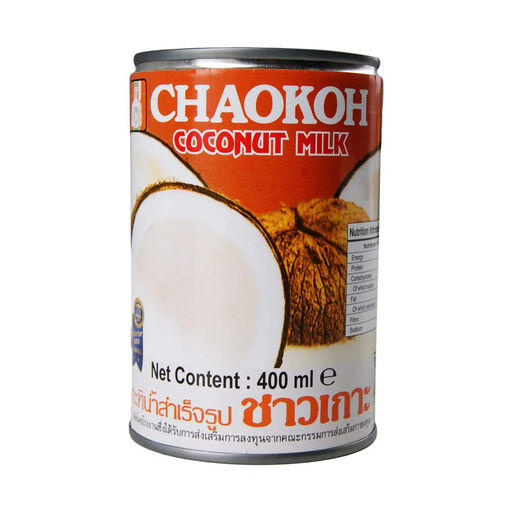 No image available
A 400ml cooking coconut milk to consider when your curry, sauce or dessert calls for a coconut base. Check the current pack’s nutrition and after-opening instructions for the amount you plan to use.
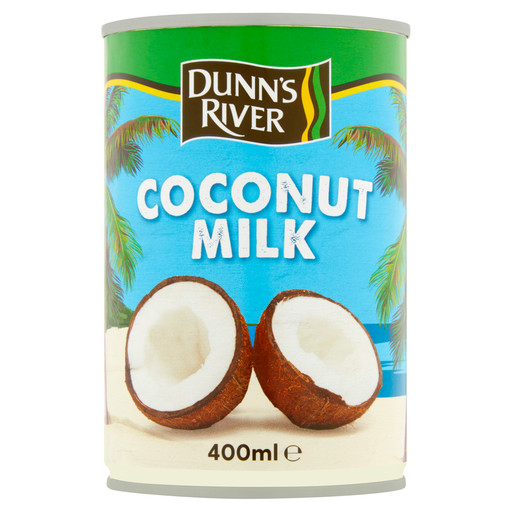 No image available
A 400ml cooking format for a recipe using coconut milk in a curry, soup or sauce. Read the current label for preparation, saturated fat and storage instructions.
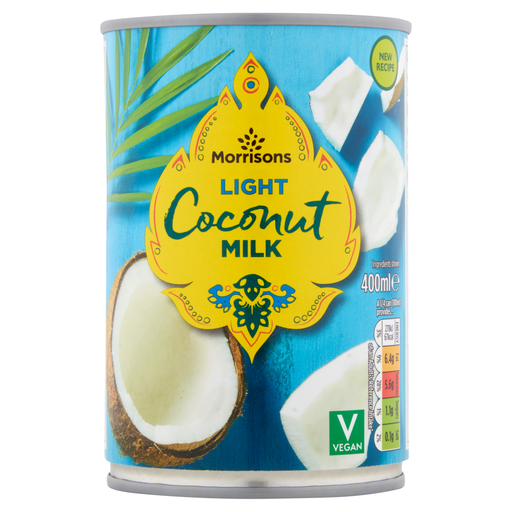 No image available
A reduced-fat cooking option in a 400ml can if that formulation suits your recipe. Compare its current nutrition label with any regular coconut milk you are considering; the wording alone does not establish the finished sauce’s texture.
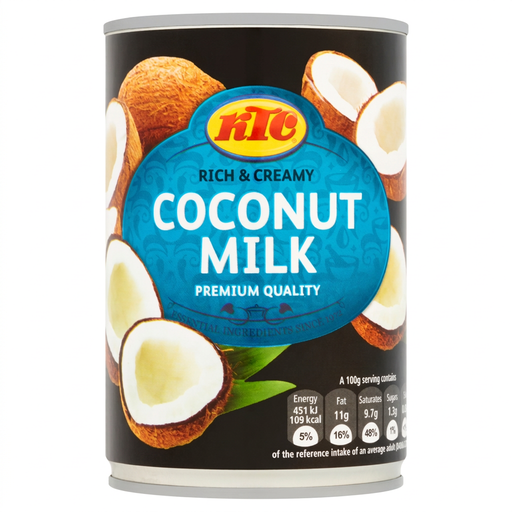 No image available
A 400g coconut milk option for cooking. If saturated fat affects your choice, read the current nutrition panel; do not treat its 400g weight as interchangeable with a 400ml pack size.
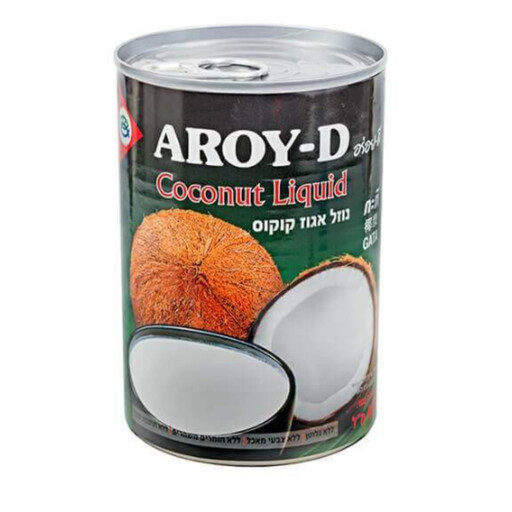 No image available
A 400 ML cooking coconut milk labelled 17% fat for a savoury or sweet recipe using a coconut base. Check the current label for saturated fat, ingredients and storage instructions; the fat percentage is not a saturated-fat figure.
Choose cooking coconut milk when the curry calls for a creamy coconut base. Coconut drinks are intended for a different use; choose one if the recipe specifically requests a plant-based milk alternative rather than assuming it will give the same sauce texture.
A 400ml cooking pack is worth considering, but the recipe determines how much you need. Check its quantity first and plan how to use any remainder within the pack’s after-opening instructions.
Follow the instructions on the particular pack. Tropical Sun says its product can separate and gives directions to shake or blend it; for Duchy Organic Coconut Milk, Waitrose says to transfer leftovers to a non-metallic container, refrigerate below 5°C and consume within 2 days. Other products may give different instructions.
Read the figure and its measurement basis on each exact product label, then consider the quantity your recipe uses. The NHS describes more than 5g saturated fat per 100g of food as high; Waitrose lists 15.8g per 100g for Duchy Organic Coconut Milk, while Tesco lists Tropical Sun at 16.2g per 100ml, a different displayed basis.
Check the current pack’s ingredients and allergen statement before cooking. Tesco cautions that formulations can change, and Waitrose lists soya in Alpro Barista Coconut drink; do not assume all coconut products have the same ingredients.