For repeated curries, soups or sauces, choose a product labelled as cooking coconut milk and match the quantity to how quickly you will use it. The cooking tins examined by Sainsbury's and Marks & Spencer contain 68% and 60% coconut extract respectively; the Koko drink listed by Sainsbury's contains 9% coconut milk, so a drink carton is not a like-for-like choice when a recipe needs a substantial sauce base. Coconut milk cannot, on its own, establish whether the finished meal meets someone's advised eating or swallowing requirements.
Who is this for?
Families cooking soft curries, soups and sauces
If coconut milk is a regular cooking ingredient, consider both the amount each recipe uses and the instructions for storing any opened tin or carton. An unopened case is useful only if the household will use its individual packs over time.
Households choosing between cooking milk and a coconut drink
The product type matters more than carton size. The Sainsbury's and Marks & Spencer cooking tins examined contain 68% and 60% coconut extract; the Koko dairy-free drink listed by Sainsbury's contains 9% coconut milk and is a different kind of product.
Carers preparing meals to an advised texture
Check the completed meal against the eater's individual plan, not just the sauce ingredient. The International Dysphagia Diet Standardisation Initiative (IDDSI) says Level 7 Easy to Chew requires sufficient chewing ability and is not intended for someone with an identified increased choking risk; follow clinician advice where it applies.
What should you check?
Choose the cooking format for the recipe first, then check pack quantity, opened-pack storage and the requirements of the person eating the meal.
| Priority | What to check | Your needs |
|---|
| Cooking format |
Check whether the label says cooking coconut milk or coconut drink. Compare coconut-extract content on the exact product; for nutrition figures, keep per 100ml and per 100g values distinct. |
I'm making a curry, soup or sauce that needs a substantial base, rather than choosing a coconut drink for cereal or a glass. |
| Pack quantity |
Check both the number of packs and the amount in each. Amazon UK lists a Laila 12 × 400ml case; a 400ml product listing does not, by itself, describe a case. |
For occasional recipes, one pack may match what I cook. If I use coconut milk repeatedly, I can consider a case of unopened packs without treating a larger carton as a multipack. |
| Opened-pack use |
Read the exact storage directions before opening. The Sainsbury's 400ml tin says refrigerate and use within three days; the Marks & Spencer 400ml tin says refrigerate and use within two days. |
I want the amount I open to fit the meals I have planned, rather than leave an opened pack unused. |
| Finished texture |
Assess the complete dish at its intended serving temperature and follow the eater's care plan. IDDSI says food and drink testing should reflect intended serving conditions. |
If I'm cooking for someone with an advised eating or swallowing plan, I need the finished meal—not merely its coconut milk—to meet that plan. |
| Ingredients |
Read the current pack's ingredients and allergen information, including any precautionary statements relevant to the eater. Check the exact variant rather than an older listing. |
When an allergy or intolerance matters in my household, I need to make the decision from the pack I am actually using. |
Common buying mistakes
-
Buying a coconut drink for a recipe that calls for cooking coconut milk
The products examined are not equivalent formats: Sainsbury's lists 9% coconut milk in the Koko drink, compared with 68% coconut extract in its cooking tin; Marks & Spencer lists 60% in its cooking tin.
For a curry, soup or sauce, check the intended use and coconut content on the exact label before substituting a drink carton.
-
Assuming coconut milk makes the whole meal easy to chew
The finished dish also contains other ingredients and pieces of food. IDDSI's Level 7 Easy to Chew guidance requires adequate chewing ability and does not apply to someone with an identified increased choking risk.
Where an eating or swallowing plan applies, follow the person's clinician advice and assess the cooked meal under its intended serving conditions.
-
Confusing a household case with one larger opened pack
A case contains separate packs, whereas an opened tin or carton has its own storage instructions. For the Sainsbury's and Marks & Spencer tins examined, those instructions specify use within three and two days respectively after refrigeration.
Check pack count and individual size, then plan recipes around the amount you will open at one time.
-
Using an old online ingredient list for an allergy decision
The current product may not have the same ingredients as a listing you saved earlier. UK food-labelling guidance from the Department for Environment, Food & Rural Affairs and the Food Standards Agency requires ingredient and allergen information on pre-packed food.
Check the physical pack bought or delivered, including its allergen declaration, before preparing the meal.
Brand and range references
Sainsbury's
Its examined 400ml cooking coconut milk tin lists 68% coconut extract.
- A cooking-tin format to compare for curries, soups and sauces.
- The label says to refrigerate after opening and use within three days; the examined product is one tin, not a case.
M&S
Marks & Spencer's examined 400ml cooking coconut milk lists coconut extract at 60% and water.
- A two-ingredient cooking product for shoppers comparing ingredient lists.
- Its instructions say to refrigerate after opening and use within two days.
Waitrose
The examined Essential Coconut Milk lists 60% coconut extract; the Kingfisher Oriental Coconut Milk listed by Waitrose states 72%.
- These listings allow a comparison of coconut-extract percentages between two cooking products.
- Both specify refrigeration and use within two days after opening; neither examined product is a case.
Koko
The examined unsweetened 1L product is a dairy-free coconut drink, not a cooking coconut milk tin.
- Its listing identifies a drink fortified with calcium and vitamins D2 and B12.
- Sainsbury's lists 9% coconut milk in this drink; do not assume it will behave like a cooking tin in a sauce.
Alpro
Tesco lists Alpro coconut products in its dairy-free drinks category, including a No Sugar long-life drink.
- A drink-format range to consider when the intended use is a coconut-flavoured dairy alternative.
- Check the exact variant before using it in a recipe that calls for cooking coconut milk.
Tesco
Tesco lists own-label 1L coconut drinks alongside branded products in its dairy-free drinks category.
- The category includes long-life drink cartons, such as Coconut Original.
- A drink-category listing does not establish that a carton is a substitute for canned cooking coconut milk.
Joybuy cooking coconut milk options
These options include individual cooking coconut milks in 400ml tins or cartons, a 400g tin and a 1L carton. Check the pack count if you want several unopened packs for repeated family cooking.
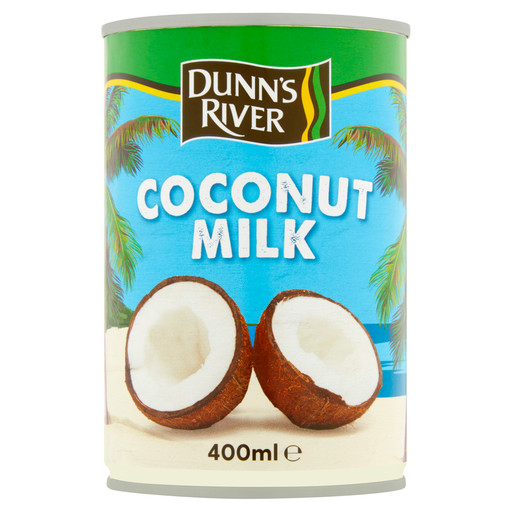 Image unavailable
Dunns River Coconut Milk 400ml
A 400ml cooking coconut milk to consider for recipe-led curries, soups or sauces. If you need several unopened cans, check the pack quantity rather than assuming this is a case. The product guidance says to transfer opened contents to a non-metallic airtight container, refrigerate and use within two days.
View on Joybuy
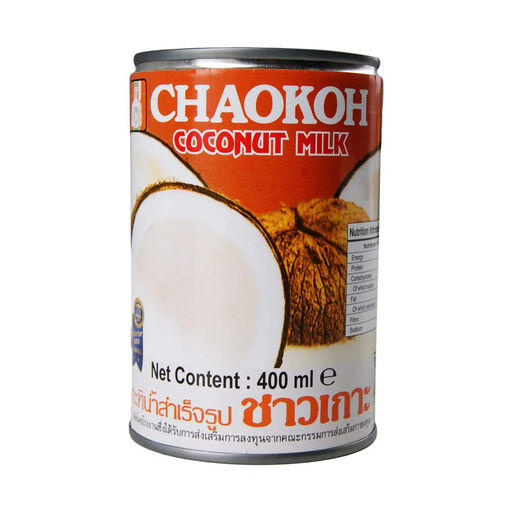 Image unavailable
Chaokoh Tinned Coconut Milk 400ml
This 400ml tin is a cooking coconut milk for dishes such as curries and soups. Check the quantity if you are stocking up for several meals. Its opened-pack guidance says to transfer unused contents to a non-metallic container, refrigerate and use within two days.
View on Joybuy
 Image unavailable
AROY-D Cooking Coconut Milk 19% Fat 400ml
This 400ml cooking coconut milk carton is an option for curries, soups or sauces; it is distinct from a coconut drink carton. Check pack count if you need multiple cartons. Refrigerate after opening and follow the pack's use-within instructions. For an allergy decision, check the current package declaration rather than relying on the listing's allergen wording.
View on Joybuy
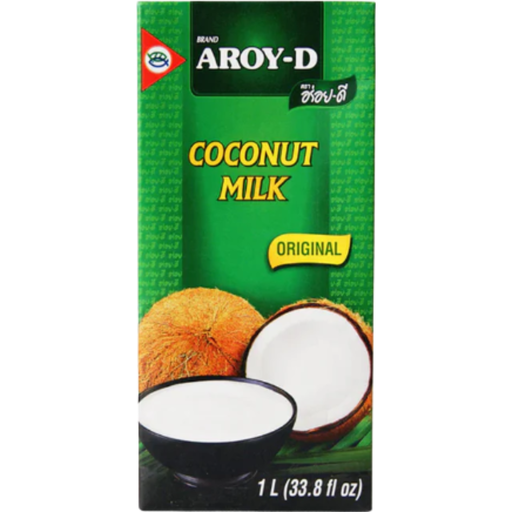 Image unavailable
AROY-D Original Coconut Milk 1L carton
A 1L cooking coconut milk carton for households planning recipes that will use a larger opened quantity. It is one carton, not a multi-carton case. Refrigerate after opening and use within three days according to the product guidance; check the current label if coconut-extract percentage is important to your recipe.
View on Joybuy
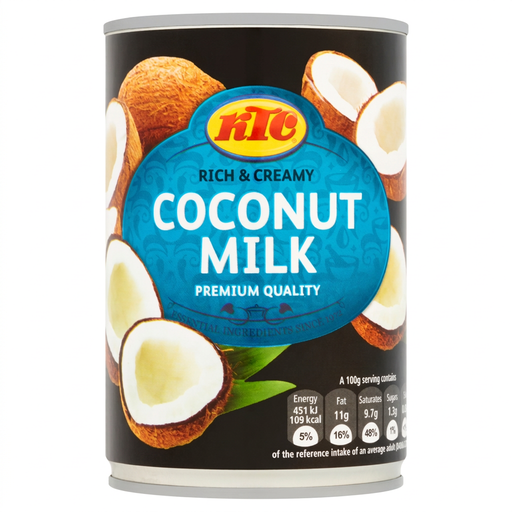 Image unavailable
KTC Coconut Milk 400g
This 400g cooking coconut milk tin is an option for curries or soups. Confirm the pack quantity if several unopened tins are needed. After opening, the product guidance says to transfer unused contents to a non-metallic container, refrigerate and use within two days; compare nutrition on the current label if it matters to your choice.
View on Joybuy
Questions about choosing and using coconut milk
Does coconut milk make a meal suitable for an easy-chew diet?
No ingredient alone establishes the texture of a completed meal. IDDSI says Level 7 Easy to Chew requires sufficient chewing ability and is not intended for someone with an identified increased choking risk; where a care plan applies, follow it and assess the finished food as it will be served.
Can a coconut drink replace cooking coconut milk in a curry?
Do not assume it is a like-for-like substitute when the recipe relies on a substantial coconut sauce. The examined Sainsbury's and Marks & Spencer cooking tins list 68% and 60% coconut extract, while the Koko drink listed by Sainsbury's contains 9% coconut milk; check the exact products and recipe before changing formats.
How long can I keep coconut milk after opening?
Follow the instructions on the pack you open. Sainsbury's says to refrigerate its examined 400ml tin and use it within three days; Marks & Spencer specifies refrigeration and use within two days for its examined 400ml tin. A case of unopened tins does not extend the storage period of an opened one.
Where should I check ingredients and allergens?
Check the current physical pack, particularly when cooking for someone with an allergy or intolerance. UK food-labelling guidance from the Department for Environment, Food & Rural Affairs and the Food Standards Agency requires ingredient and allergen information on pre-packed food; an older online listing should not replace the label on the product you use.


