Choose canned coconut milk for a creamy ingredient in summer curries, soups or desserts, and look for an explicit mild-flavour description if a restrained coconut taste matters. For cereal, smoothies or a chilled drink, choose a coconut drink instead; check its sugars per 100 ml, ingredients and allergen information rather than assuming the two formats are interchangeable.
Who is each option for?
Holiday cooks making shared meals
If coconut milk is going into a curry, soup, sauce or dessert, start with the canned cooking format. Where mild coconut flavour is important, check the description of the particular product rather than relying on the words “coconut milk” alone.
Shoppers choosing a dairy-free cold drink
For cereal, smoothies or drinking chilled, a pourable coconut drink fits the intended use. Compare the exact product’s sugar declaration and ingredients if you prefer an unsweetened option.
Households checking allergens
Check the ingredients and any allergen or precautionary information on the exact pack. A plant-based or dairy-free description does not establish suitability for every allergy or intolerance.
What should you check before choosing?
Settle the intended use first: a cooking ingredient and a coconut drink answer different needs, while mildness needs a product-specific flavour description.
Canned coconut milk
Choose it for: Curries, soups, sauces or desserts where coconut milk forms part of the dish.
Keep in mind: A standard, light or reduced-fat label does not by itself tell you how mild the coconut flavour will be.
Coconut drink
Choose it for: Drinking cold or pouring over cereal, or for smoothies calling for a milk alternative.
Keep in mind: It is a different format from canned cooking coconut milk and may contain added ingredients such as stabilisers.
| Priority | What to check | Your needs |
|---|
| Use and mildness |
Check whether the product is canned cooking coconut milk or a coconut drink. For a restrained coconut taste, look for a flavour description for that exact product; Sainsbury’s describes Blue Dragon Coconut Milk as having a mild coconut flavour. |
I’m cooking a summer curry and want a coconut ingredient whose stated flavour suits the dish, rather than a drink intended for cereal. |
| Fat description |
Compare the nutrition panels of the exact cans if fat content matters. Tesco lists a Light Coconut Milk and Waitrose & Partners lists a Reduced Fat Coconut Milk, but neither term establishes flavour intensity. |
For a cooked dish, I may prefer a reduced-fat option, but I still need to check mildness separately. |
| Sugars |
Read sugars per 100 ml and distinguish “no sugars”, “no added sugars” and “unsweetened” on the particular drink. Alpro UK lists 0.0 g sugars per 100 ml for Coconut No Sugars; Tesco lists Koko Unsweetened as “No Sugar”. |
For a chilled drink or breakfast, I want to compare sweetness using the actual label, not the coconut-drink category name. |
| Ingredients and fortification |
Check the ingredient list and whether calcium or vitamins have been added. Alpro UK lists calcium and vitamin B12 for Coconut No Sugars; Koko lists calcium and vitamins D2 and B12 for its Unsweetened drink. |
If I’m using a coconut drink at breakfast, the ingredients and added nutrients may affect which carton I choose. |
| Allergen information |
Read the current ingredients and any precautionary statement on the exact pack. GOV.UK explains that food businesses must communicate when any of the 14 regulated allergens are ingredients. |
When shopping for someone with an allergy or intolerance, I cannot use “plant-based” or “dairy-free” as a substitute for checking that pack. |
Common buying mistakes
-
Treating coconut drink and canned milk as the same ingredient
Alpro describes its coconut drinks for uses including chilled drinking and smoothies, while Sainsbury’s lists Blue Dragon Coconut Milk for curries, soups, sauces and desserts. Substituting one format for the other can change the dish or drink you intended to make.
Choose the format for the recipe or serving purpose before comparing flavours.
-
Reading “light” as a mild-flavour claim
Tesco and Waitrose & Partners list light or reduced-fat canned coconut milks. Those descriptions distinguish the fat variant, not a particular level of coconut flavour.
If mild taste is the priority, look for an explicit flavour description for the exact can and check fat content separately.
-
Assuming dairy-free means suitable for every allergy
A dairy-free product can have other ingredients or product-specific precautionary information. GOV.UK’s allergen guidance addresses declared regulated allergens when they are ingredients; it does not make a general front-of-pack claim a substitute for reading the label.
Check the current ingredients and any allergen or precautionary statement on the precise pack.
-
Choosing by “unsweetened” alone
Alpro Coconut No Sugars and Koko Unsweetened have different ingredient lists. A sugar description does not tell you everything about formulation or fortification.
Compare sugars per 100 ml alongside the ingredients and added calcium or vitamins relevant to your choice.
Brand and retailer references
These examples show how the cooking and drinking formats are labelled; each claim applies to the named product or listing, not every item from the brand or retailer.
Alpro
Alpro distinguishes its coconut drinks from dairy milk and describes uses such as chilled drinking and smoothies.
- Alpro UK lists 0.0 g sugars per 100 ml, calcium and vitamin B12 for Coconut No Sugars.
- Its coconut-drink format should not be assumed to replace canned coconut milk in a recipe calling for that ingredient.
Koko
Koko Unsweetened is a pourable coconut-based drink for shoppers comparing milk alternatives.
- Koko’s ingredient list includes 9% coconut milk, calcium and vitamins D2 and B12; Tesco lists the drink as “No Sugar”.
- Check its ingredients and intended recipe use before substituting it for canned cooking coconut milk.
Tesco
Tesco’s listings distinguish cooking coconut milk, including a Light variant, from coconut drinks.
- The separate formats give shoppers a way to compare products by intended use.
- The word “Light” does not establish that a can has a mild coconut flavour.
Sainsbury’s
Sainsbury’s lists its own-label Coconut Milk and the Blue Dragon Coconut Milk used as a cooking example here.
- The Sainsbury’s Blue Dragon listing describes that specific product as having a mild coconut flavour and names curries, soups, sauces and desserts as uses.
- That flavour description should not be extended to every coconut milk sold by Sainsbury’s.
Waitrose
Waitrose & Partners lists standard and reduced-fat Essential canned coconut milks, alongside coconut-based drinks in its wider range.
- Its listed formats allow a comparison between canned cooking ingredients and pourable alternatives.
- Check the exact product’s ingredients, nutrition and flavour description rather than inferring them from its category.
Canned coconut milk options on Joybuy
These cans address the cooking side of the summer-holiday decision. If a specifically mild coconut flavour matters, check the flavour information for the exact product before choosing; fat content or a reduced-fat name does not establish its taste.
 No image available
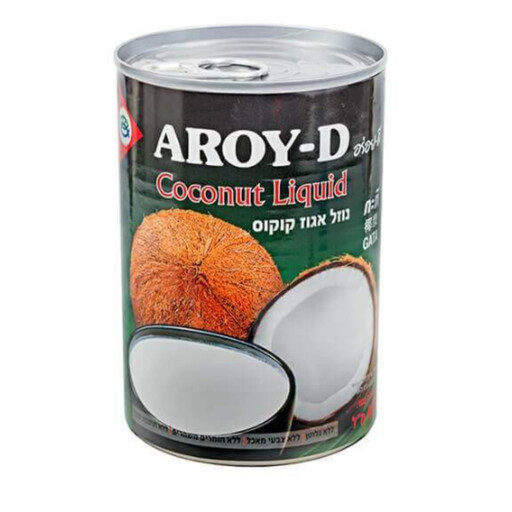
AROY-D Coconut Milk 17% Fat 400 ML
A canned coconut milk option for cooked dishes such as curries or desserts. The product name states 17% fat and 400 ML; check product-specific flavour information if a mild coconut taste is essential, and read the current pack for allergen information.
View on Joybuy
 No image available
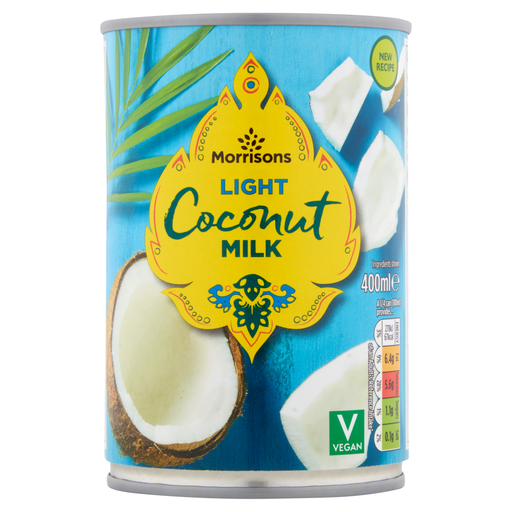
Morrisons Reduced Fat Coconut Milk 400ml
A reduced-fat canned option for cooking, supplied in a 400ml size. Reduced fat is not a mild-flavour description, so check the exact product’s flavour information if taste is the deciding factor; read the current pack for ingredients and allergens.
View on Joybuy
 No image available
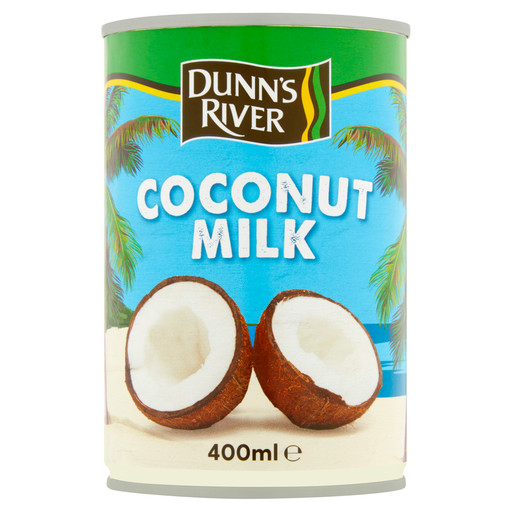
Dunns River Coconut Milk 400ml
A 400ml coconut milk for cooking dishes such as curries, soups or desserts. Confirm the flavour description for this product if a restrained coconut taste matters, and check the ingredients and allergen information on the current pack.
View on Joybuy
 No image available
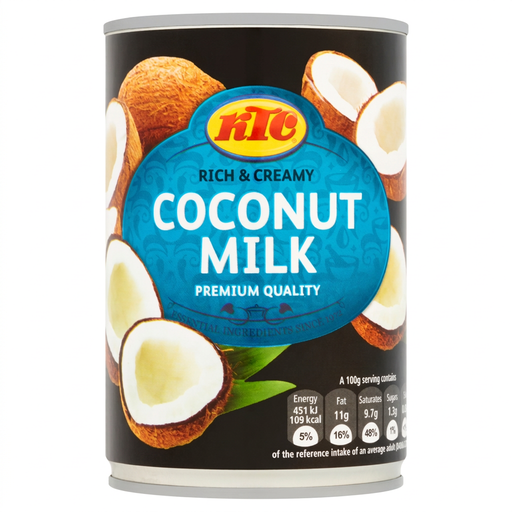
KTC Coconut Milk 400G
A coconut milk option for cooked dishes such as curries or soups, with 400G stated in the product name. Check the precise product’s flavour description if mildness is important, and read the current pack for ingredient and allergen details.
View on Joybuy
Frequently asked questions
Should I use canned coconut milk or a coconut drink for a mild summer curry?
Choose the canned cooking format. Sainsbury’s describes Blue Dragon Coconut Milk specifically as having a mild coconut flavour and lists curries among its uses; do not assume another can has the same taste without checking its description.
Does “light” or “reduced fat” mean mild coconut flavour?
No. Tesco and Waitrose & Partners list light or reduced-fat canned coconut milks, but those names distinguish fat variants, not flavour intensity. Check the exact product’s flavour description if mildness matters.
Which coconut drinks are labelled as having no sugar?
Alpro UK lists 0.0 g sugars per 100 ml for Coconut No Sugars, and Tesco lists Koko Unsweetened as “No Sugar”. Check the current label of the drink you choose, including its ingredients and nutrition panel.
Can I assume a coconut drink is suitable for someone avoiding dairy?
No general coconut-drink label can establish suitability for every person. The named Alpro and Koko drinks are presented as dairy-free alternatives, but check the exact pack’s ingredients and any allergen or precautionary statement for the person concerned.
Should I recheck the allergen label on a familiar product?
Yes. For an allergy or intolerance, read the ingredients and any precautionary information on the current pack. GOV.UK explains that food businesses must communicate when any of the 14 regulated allergens are ingredients in food or drink products.


