Hosts making a curry or sauce
If the anniversary meal calls for a creamy coconut base, look for cooking coconut milk and compare the recipe quantity with the pack size. A coconut drink is a different product type.


For a curry, sauce or dessert that relies on a creamy coconut base, choose cooking coconut milk; use coconut cream or measured creamed coconut when the recipe calls for a more concentrated ingredient. A reduced-fat version suits a dish where that richness matters less, while a coconut drink belongs in a recipe that specifically calls for a milk alternative. If “pre-grated” refers to a topping, buy grated or desiccated coconut separately.
If the anniversary meal calls for a creamy coconut base, look for cooking coconut milk and compare the recipe quantity with the pack size. A coconut drink is a different product type.
Choose the coconut ingredient specified by the recipe. Cooking coconut milk provides a liquid base; coconut cream or measured creamed coconut is worth considering when a more concentrated ingredient is called for.
Check the current pack’s ingredients and allergen statements before cooking. Do not assume that a coconut drink and a cooking coconut milk have the same ingredients, or that different brands carry the same precautionary statements.
Start with the recipe’s required coconut product, then compare labels on the same measurement basis and plan for any leftovers.
| Priority | What to check | Your needs |
|---|---|---|
| Recipe fit | Check whether the recipe calls for cooking coconut milk, coconut cream, creamed coconut or a drink. Compare the stated coconut content and fat values of products measured on the same basis. | I’m making a curry, sauce or dessert that needs a coconut cooking ingredient, not a drink intended for the glass. |
| Richness | Tesco Groceries lists 15g fat per 100ml for its cooking coconut milk; Sainsbury’s lists 19g per 100ml for its Aroy-D 400ml product. These are different products, so also check the recipe’s intended texture and quantity. | A creamy sauce or dessert matters to this meal, and I want the product type and amount to match the recipe. |
| Nutrition label | Read fat and saturates per 100ml or per 100g, keeping those measurement bases distinct. NHS guidance advises checking fat, saturates, salt and sugar on food labels. | If I’m comparing a standard and a reduced-fat product, I want to see their current labels before deciding whether the change suits the dish. |
| Guests’ ingredients | Read the current ingredients and precautionary allergen statement on the exact pack. Sainsbury’s listing for Blue Dragon Coconut Milk, for example, states that it may contain peanuts and nuts. | I’m serving other people and need to check the particular product I’ll use, rather than relying on the word “coconut”. |
| Pack and storage | Match the pack to the recipe quantity and follow its instructions after opening. Tesco Groceries specifies refrigeration and use within 2 days for its 400ml milk; Sainsbury’s specifies 3 days for its own-label 400ml milk. | It’s a small dinner, so I want a plan for any coconut milk left after cooking. |
| Topping | Buy grated or desiccated coconut separately if the recipe calls for a garnish; liquid coconut milk is not a pre-grated product. | I want a coconut topping as well as the liquid ingredient for the dish. |
Alpro UK lists 5.3% coconut milk and 0.9g fat per 100ml for Coconut Original Drink, while Tesco Groceries lists 15g fat per 100ml for its cooking coconut milk. A recipe relying on cooking coconut milk’s composition may turn out differently with the drink.
Check the product type on the pack and use a drink only when the recipe calls for a milk alternative.
Changing the coconut milk changes an ingredient that contributes to the dish’s texture. M&S presents a reduced-fat coconut milk for cooking, but that does not establish that it will behave identically in every recipe.
If texture is central to the dish, follow the recipe’s specified type or check its instructions for using a reduced-fat version.
Tesco Groceries lists 13g saturates per 100ml for its coconut milk, while Sainsbury’s lists 13.8g per 100ml for its own-label product. The amount used in the recipe also matters.
Read the current nutrition panel and measure the quantity the recipe requires rather than treating all coconut products as nutritionally alike.
Post-opening directions differ: Tesco Groceries instructs shoppers to transfer unused milk to a non-metallic container, refrigerate it and use it within 2 days; Sainsbury’s lists a 3-day refrigerated period for its own-label milk.
Follow the directions on your pack and plan another use for any remainder within its stated period.
A partly used pack may be wasted if the remainder cannot be used within those directions.
These examples illustrate different coconut product types and label details; a brand name alone does not tell you whether a pack suits your recipe.
Tesco’s own-label 400ml product is a cooking coconut milk.
Sainsbury’s own-label 400ml cooking coconut milk offers another label to compare for a sauce or dessert.
M&S lists both standard and reduced-fat coconut milk for cooking.
Alpro Coconut Original is a coconut drink, rather than a tin of cooking coconut milk.
Koko’s range includes coconut-based milk alternatives and a separate Cuisine Coconut Milk range.
These liquid coconut milks are options to consider when the dinner recipe calls for cooking coconut milk. Choose by the recipe’s required quantity and the details on each current pack; grated coconut for a topping is a separate ingredient.
 No image available
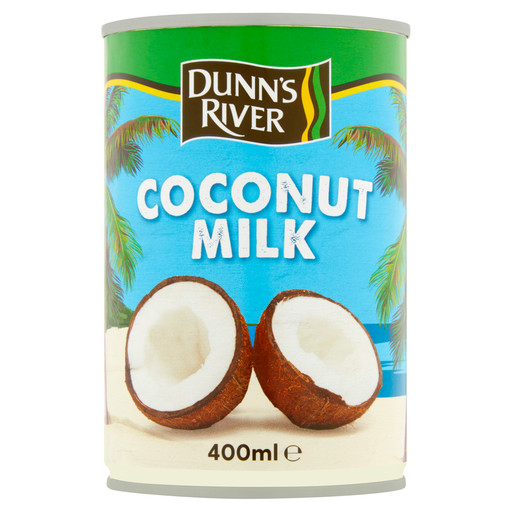
A cooking coconut milk to consider for a curry or sauce that calls for a rich liquid base. Joybuy lists 80% coconut extract for this 400ml product; measure the amount needed and check the pack’s storage directions after opening.
 No image available
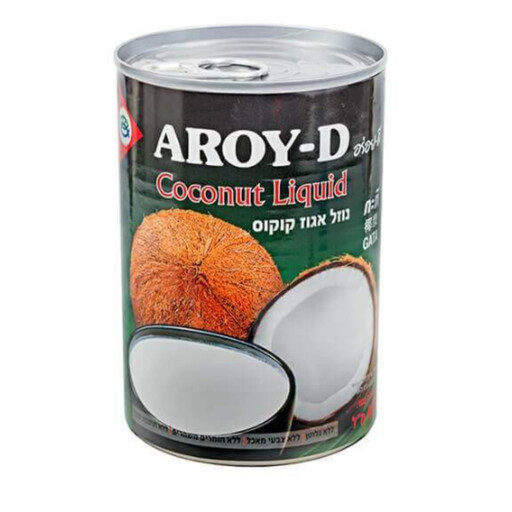
A 400ml coconut milk option for a recipe needing a liquid coconut ingredient. Check the current pack’s nutrition, ingredients and directions for storing any remainder, particularly when cooking for guests.
 No image available
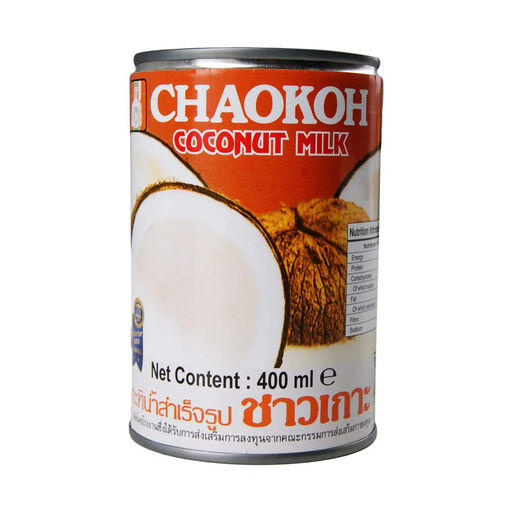
A 400 ML coconut milk option labelled 17% fat for a recipe calling for cooking coconut milk. Check the current pack’s ingredient and precautionary allergen statements before serving guests.
 No image available
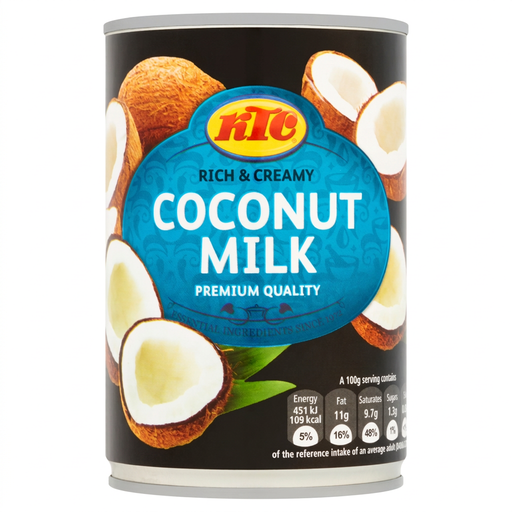
A 400ml tinned coconut milk to consider for a sauce or dessert recipe. Check its current ingredients and nutrition label, and follow the pack’s instructions for any milk left after opening.
 No image available
A 400G coconut milk option for a recipe requiring a liquid coconut ingredient. Read the current pack if fat or saturates affect your choice, and follow its directions for storing leftovers.
No. Coconut milk is a liquid ingredient; if the dinner needs a grated coconut topping, buy fresh grated or desiccated coconut separately. Choose the milk by the product type and quantity your recipe calls for.
Do not assume it can when the recipe calls for cooking coconut milk. Alpro UK lists 5.3% coconut milk and 0.9g fat per 100ml for Coconut Original Drink, while Tesco Groceries lists 15g fat per 100ml for its cooking coconut milk. Use a drink when the recipe specifically calls for a milk alternative.
Start with the cooking coconut milk specified by the recipe. If it calls for extra thickening, measured creamed coconut is another option: Waitrose & Partners describes adding pieces of its Blue Dragon block towards the end of a curry, and gives separate directions for dissolving the block to make coconut milk.
Follow the directions on the exact pack. Tesco Groceries and Waitrose & Partners instruct shoppers to transfer unused contents from their reviewed tins, refrigerate them and use them within 2 days; Sainsbury’s lists 3 days for its own-label coconut milk.
Read the current pack’s ingredients and precautionary allergen statements for every product you plan to use. Statements differ: Sainsbury’s listing for Blue Dragon Coconut Milk says it may contain peanuts and nuts, which should not be assumed to apply to every coconut milk.