What matters when choosing?
Start with the ingredient your recipe calls for, then compare culinary coconut milks by their labels and check the pack against your guests’ needs.
| Priority |
What to check |
Your needs |
| Recipe format |
Check whether the recipe specifies culinary coconut milk, coconut cream or a carton plant drink. Look at the stated cooking uses and pack format rather than relying on the word “coconut”. |
I’m making a curry or sauce that calls for cooking coconut milk, not a drink. Alpro describes its coconut product as a drink rather than coconut milk; the Koko drink listed by Tesco contains 9% coconut milk and lists 1.4g fat per 100ml. |
| Coconut formulation |
Compare coconut-extract percentages where declared. Compare nutrition figures only on their stated basis: per 100g and per 100ml are not the same measurement. |
For a dish where coconut richness is central, I want to compare culinary products. Marks & Spencer lists 60% coconut extract and 17.3g fat per 100g for its standard milk, against 33% and 9.3g per 100g for its reduced-fat version. |
| Allergen information |
Read the current pack’s ingredients, allergen information and precautionary statements. Check every product being served, not just its vegan or dairy-free description. |
A guest’s nut or peanut allergy makes the full label important to me. The Blue Dragon coconut milk listed by Sainsbury’s is described as suitable for vegans but carries a “May contain Peanuts and Nuts” statement. |
| Opened-pack use |
Check the exact pack’s instructions for transferring, refrigerating and using leftovers after opening; periods can differ between products. |
If the recipe uses only part of a pack, I need a plan for the remainder. Marks & Spencer lists two days after opening for its coconut milks, while the Aroy-D product listed by Sainsbury’s specifies three days. |
Brand and product references
These examples illustrate different coconut products for cooking and drinking; their inclusion does not indicate that they are among the Joybuy products below.
M&S Food
Marks & Spencer lists standard and reduced-fat culinary coconut milks for uses including curries, soups and baking.
- Its standard coconut milk lists 60% coconut extract and 17.3g fat per 100g; the reduced-fat version lists 33% and 9.3g per 100g.
- The two formulations should not be treated as identical recipe ingredients. Read the current label when ingredients or allergens matter.
Aroy-D
The Aroy-D 400ml culinary coconut milk listed by Sainsbury’s is an example to compare for recipes where coconut richness matters.
- That listing gives 70% coconut extract and 19g fat per 100ml.
- Its opened-pack instructions specify refrigeration and use within three days; check the instructions on the pack purchased.
Blue Dragon
The Blue Dragon coconut milk listed by Sainsbury’s is described for curries, soups, sauces and desserts.
- The listing specifies 56% coconut extract and describes the product as suitable for vegans.
- It also says “May contain Peanuts and Nuts”, which matters when cooking for someone with either allergy.
Koko
Koko’s unsweetened coconut drink is a carton-drink option, not a direct equivalent to tinned culinary coconut milk.
- Tesco’s listing specifies 9% coconut milk and 1.4g fat per 100ml.
- For a dinner recipe that specifies culinary coconut milk, check the intended ingredient before substituting this drink.
Alpro
Alpro Coconut No Sugars is presented as a plant-based coconut drink.
- The Sainsbury’s listing says it has no sugars or sweeteners.
- Alpro distinguishes its coconut drinks from coconut milk; do not assume this product will serve the same purpose as a culinary tin in a sauce.
Joybuy cooking coconut milks
These Joybuy options are coconut milks for the cooking side of the date-night dinner decision, including a reduced-fat version. Check each current pack against your recipe and any guest’s allergen requirements.
 No image available
AROY-D Coconut Milk Cooking 19% Fat 400ml
Consider this cooking product when a curry or sauce calls for coconut milk. Its title states 19% fat; check the current pack’s ingredients and allergen information before serving it to someone with an allergy.
View on Joybuy
 No image available
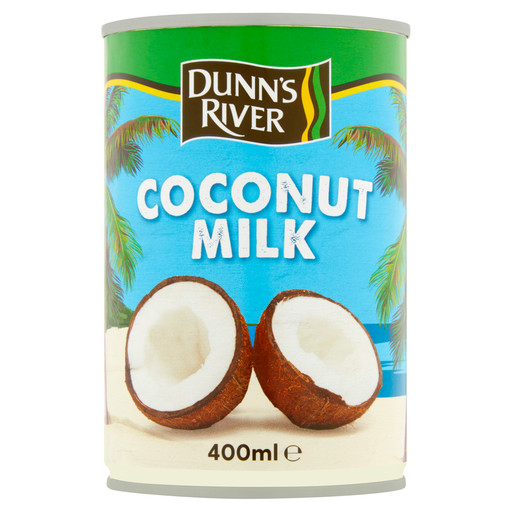
Dunns River Coconut Milk 400ml
For a dinner recipe calling for coconut milk, check this 400ml option against the quantity and format specified. Read the current pack’s ingredients, allergens and opened-pack storage instructions.
View on Joybuy
No image available
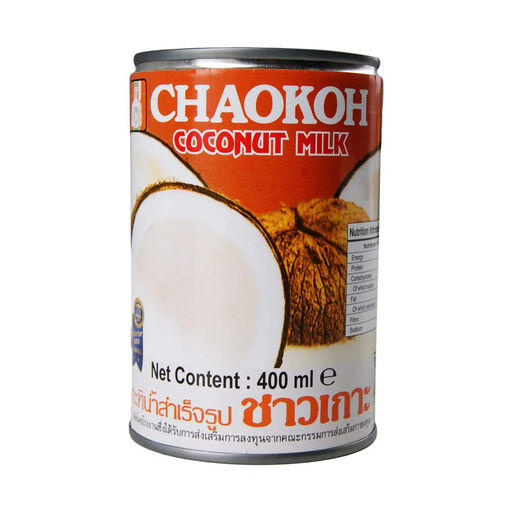
Chaokoh Coconut Milk Tinned 400ml
The tinned format is relevant when a curry or dessert recipe specifies tinned coconut milk. Check the current pack’s ingredients, allergen information and instructions for any unused contents.
View on Joybuy
 No image available
Morrisons Reduced Fat Coconut Milk 400ml Can
This is the reduced-fat cooking option in the Joybuy selection. If a recipe depends on a standard coconut milk formulation, check before swapping; also read the current pack’s ingredients and allergen information.
View on Joybuy
 No image available
Tropical Sun Coconut Milk 100% Natural 400ml Can
For a recipe specifying canned coconut milk, check this 400ml option against the required quantity. If coconut concentration matters to the dish, compare the current pack’s details, ingredients and allergen information before choosing.
View on Joybuy
Common questions
Is coconut milk dairy-free?
Culinary coconut milk can be a dairy-free ingredient, but confirm suitability from the exact product’s current ingredients and allergen information. Marks & Spencer labels its cited coconut milks vegan; that description alone does not answer every allergy question.
Can I use coconut drink instead of tinned coconut milk in a curry?
Use a coconut drink if the recipe calls for a plant drink, or if you are prepared for a different result. For a curry designed around culinary coconut milk, choose the specified cooking format: Tesco’s Koko drink listing gives 9% coconut milk and 1.4g fat per 100ml, so it should not be treated as an identical ingredient.
Should I choose standard or reduced-fat coconut milk?
Choose according to the recipe and the formulation you want, rather than assuming they are interchangeable. Marks & Spencer lists 60% coconut extract and 17.3g fat per 100g for its standard coconut milk, compared with 33% and 9.3g per 100g for its reduced-fat version.
What if a dinner guest has a nut or peanut allergy?
Check the current pack’s ingredients and allergen statements, including precautionary wording, before serving the product. The Blue Dragon coconut milk listed by Sainsbury’s is suitable for vegans but states that it may contain peanuts and nuts.
How should I store coconut milk after opening it?
Follow the instructions on the exact pack, including any directions for transferring and refrigerating leftovers. Marks & Spencer specifies use within two days for its cited coconut milks; the Aroy-D product listed by Sainsbury’s specifies three days.


