Home cooks comparing carbohydrate
If you use coconut milk in curries, soups or sauces, compare total carbohydrate per 100g and work out the amount in the portion you eat. An organic or low-sugar claim does not answer that question on its own.


Choose canned coconut milk for cooking or a carton coconut drink for pouring; an organic label does not make either one suitable for every diabetes-related eating plan. Diabetes UK’s guidance makes the total carbohydrate in the amount consumed a key consideration. Also check saturated fat, particularly with rich canned products.
If you use coconut milk in curries, soups or sauces, compare total carbohydrate per 100g and work out the amount in the portion you eat. An organic or low-sugar claim does not answer that question on its own.
Rich canned coconut milk can contain substantial saturated fat. Compare the nutrition panels of the products you are considering and account for the quantity added to your recipe.
For tea, coffee or cereal, look at carton coconut drinks rather than assuming a cooking ingredient will serve the same purpose. Compare carbohydrate per 100ml and check the ingredients and any added nutrients on each drink.
Start with the intended use, then compare nutrition values on the same per-100g or per-100ml basis before considering how much you will consume.
Choose for: Curries, soups or desserts that call for a rich cooking ingredient.
Consider: Biona and Duchy organic canned milks list 16g and 15.8g saturates per 100g respectively, so the quantity used matters.
Choose for: Pouring over cereal or adding to coffee rather than making a rich curry.
Consider: Drink recipes differ: Waitrose & Partners lists 5.3g carbohydrate per 100ml for Plenish Organic Coconut Unsweetened, which contains rice.
| Priority | What to check | Your needs |
|---|---|---|
| Product format | Check whether the pack is canned coconut milk for cooking or a carton drink for pouring. Read its suggested uses and ingredients. | I need a cooking ingredient for a curry, or a drink for coffee or cereal; those are different purchases. |
| Total carbohydrate | Compare the total carbohydrate line per 100g or 100ml, then calculate it for the amount consumed. Diabetes UK distinguishes total carbohydrate from sugars alone. | If I count carbohydrate, the amount in my serving matters more than a front-of-pack sugar claim. |
| Saturated fat | Compare saturates per 100g or 100ml and the quantity used. The NHS classifies more than 5g saturates per 100g of food as high. | I want to account for the saturated fat in a rich sauce, even if its carbohydrate value looks modest. |
| Organic preference | Check the organic claim on the product you intend to buy, then assess its ingredients and nutrition separately. | Organic production matters to me, but I do not want to mistake that label for a statement about carbohydrate or saturated fat. |
| Nutrition labels | Use the full nutrition panel for carbohydrate; traffic-light labelling does not show it. Check the current pack when choosing a product. | I use traffic lights as a quick prompt, but still need the carbohydrate line. In a Food Standards Agency and Ipsos tracker with 611 interviews conducted from September to November 2024, 49% actively used traffic-light labelling when food shopping; that figure is not specific to coconut products or people with diabetes. |
Organic labelling concerns how a product is produced, not its carbohydrate or saturated-fat content. Rich organic canned coconut milk can still be high in saturates.
Check the organic claim if it matters to you, then read the nutrition panel and account for your serving separately.
The sugars line does not represent all the carbohydrate consumed. Diabetes UK’s guidance emphasises total carbohydrate quantity.
Compare total carbohydrate per 100g or 100ml and use the amount in your portion for meal-level calculations.
A drink intended for coffee or cereal may not give a curry the texture expected from canned coconut milk. Drinks can also contain other ingredients, such as rice.
Match the format to the recipe or drink, then compare the nutrition panels within the format you need.
Ingredients and nutrition information can change, as Sainsbury's notes on its coconut milk listing. Older figures may not describe the pack in hand.
Check its current ingredients, total carbohydrate, saturates and storage instructions before use.
These product examples illustrate different formats and labels; a brand name alone does not establish the nutrition or organic status of every product it sells.
Its Organic Coconut Milk 400ml is a canned ingredient for cooking.
Waitrose & Partners lists its canned coconut milk for cooking.
Alpro Coconut No Sugars is a carton coconut drink, not canned culinary coconut milk.
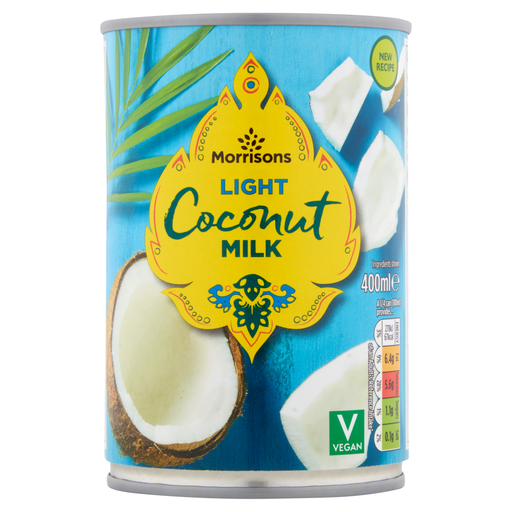
This reduced-fat canned coconut milk is an option to consider for cooking. If an organic label is important to you, check the current pack before choosing it.
 No image available
A canned coconut milk to consider when a recipe calls for a cooking ingredient rather than a pourable drink. The 400ml pack is labelled reduced fat; check its current carbohydrate, saturates and organic labelling against your priorities.
No. Organic labelling does not tell you how much carbohydrate or saturated fat you will consume. Compare the nutrition panel and the quantity you plan to use; Diabetes UK’s guidance emphasises total carbohydrate amount.
Check total carbohydrate, not sugars alone. Diabetes UK explains that the total carbohydrate consumed matters for blood glucose after eating. Compare products per 100g or 100ml, then calculate the amount in your portion.
Yes. Biona Organic lists 3.4g carbohydrate and 16g saturates per 100g for its canned Coconut Milk 400ml. The NHS classifies more than 5g saturates per 100g of food as high, so account for the amount used in the recipe.
No. Carton drinks are intended for uses such as cereal and coffee, while canned coconut milk is a richer cooking ingredient. Check the recipe and the particular drink’s ingredients: Waitrose & Partners lists rice in Plenish Organic Coconut Unsweetened.