Hosts serving dairy-free drinks
If guests need a dairy-free drink with lunch or cereal, look for a suitable coconut drink rather than a cooking can. Check the ingredients on the exact carton before serving.


For Easter Sunday lunch, choose a coconut drink for drinks or cereal, and canned coconut milk when a recipe calls for a cooking ingredient. A multipack of large cartons is not the same as individual lunchbox portions, so check the pack count and volume. Check ingredients and allergens on the exact product too: some coconut beverages contain milk and are not dairy-free.
If guests need a dairy-free drink with lunch or cereal, look for a suitable coconut drink rather than a cooking can. Check the ingredients on the exact carton before serving.
If sugars or added calcium and vitamins matter to your choice, compare declarations on the exact variants. Coconut drinks do not all have the same nutrition profile.
If each person needs a separate lunchbox-sized serving, confirm the size of each unit. A bundle of 1L cartons does not provide individual pots.
Decide whether the coconut product is for serving as a drink or using in a recipe, then check the format and exact label.
Choose for: drinks, cereal or a jug shared at the table.
Bear in mind: large cartons need separate containers if you want individual servings; they are not cooking cans.
Choose for: a dish whose recipe calls for cooking coconut milk.
Bear in mind: a cooking can does not provide ready-to-drink portions; check whether the recipe specifies a standard or reduced-fat product.
| Priority | What to check | Your needs |
|---|---|---|
| Product type | Read whether the item is described as a coconut drink or cooking coconut milk. Tesco Groceries lists 1L coconut drinks, while Waitrose & Partners lists 400ml cooking cans. | I need a drink for guests, or coconut milk for a specific lunch recipe. |
| Individual portions | Check the number of units, volume of each unit and serving format. Do not treat a multipack of large cartons as a pack of individual pots. | Everyone needs a separate portion for a lunchbox, rather than a drink poured from a shared carton. |
| Drink nutrition | Compare sugars and protein per 100ml, and check declared calcium and vitamins on the exact carton. Alpro UK declares 0g sugars and 0.2g protein per 100ml for Coconut No Sugars; Koko Dairy Free declares 0.2g sugars and 1.2g protein per 100ml for its Unsweetened No Sugar product. | I want to compare the drinks themselves, not assume that an unsweetened name or coconut flavour tells me their full nutrition profile. |
| Ingredients and storage | Read the exact pack’s ingredients and allergen information. Follow its date marking and storage instructions, including directions for after opening. | A guest avoids milk or another ingredient, or I need to keep opened products appropriately before and after lunch. |
A drink carton may not be the cooking ingredient specified by a recipe, while a cooking can does not provide a ready-to-drink option.
Choose by intended use before comparing brands or bundle sizes.
Several large cartons can supply a group without meeting a need for separate lunchbox portions.
Check the number and volume of the individual units before ordering.
Alpro UK and Koko Dairy Free declare different sugars and protein values per 100ml for the coconut drink variants described above.
Compare nutrition on the same per-100ml basis and check the exact variant’s calcium and vitamin declarations.
‘Coconut’ in a beverage name does not establish that it is dairy-free. Ingredient, allergen and storage information matters when serving several guests.
Read the pack supplied before serving, and follow its storage and date instructions.
Alpro UK describes Coconut No Sugars as a 1L coconut drink. This is a drink reference, not a cooking-coconut-milk option.
Koko Dairy Free presents its Unsweetened No Sugar product as a coconut drink for hot and cold drinks and cooking.
Tesco Groceries lists 1L own-label coconut drinks, including Long Life Coconut Original and Sweetened Coconut Drink.
Waitrose & Partners lists Essential Coconut Milk and Essential Reduced Fat Coconut Milk as 400ml cooking products.
These coconut beverage bundles are options for drinks served at a gathering, not cooking-coconut-milk cans. Check each product’s ingredients: the coconut beverages containing milk are not suitable for guests avoiding milk.
 No image available
A coconut drink bundle for serving a group or making coffee. The 1L cartons are not individual lunchbox pots; the product information identifies soya, so check the exact pack’s allergen information before serving.
 No image available
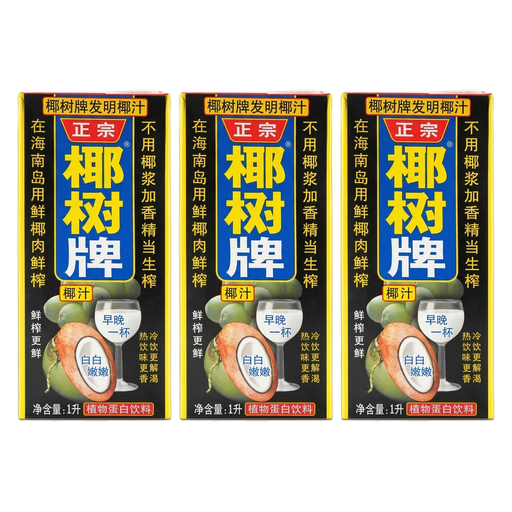
Three large units are a shared-drink format, not separate lunchbox portions. The product information identifies milk in the ingredients; do not choose it for a dairy-free guest without checking the exact pack.
 No image available
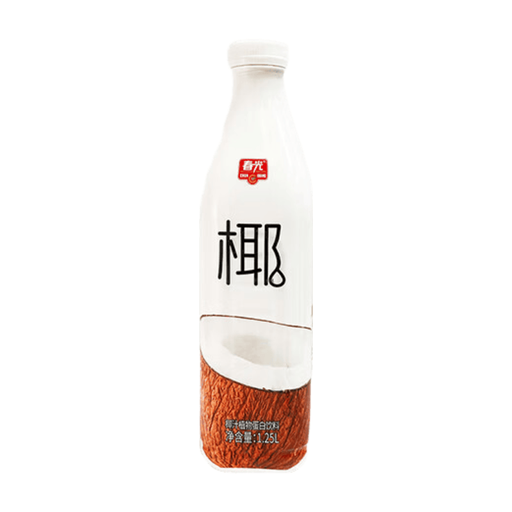
This six-bottle bundle is for pouring drinks at a gathering rather than providing individual pots. Its product information identifies milk, so check the pack against guests’ allergy and dietary requirements.
 No image available
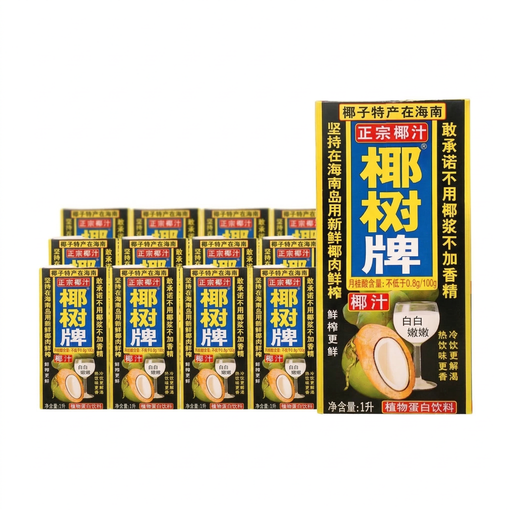
This bundle supplies large cartons for shared drink service, not lunchbox-sized pots. Its product information identifies milk; check the exact ingredients and follow the pack’s instructions for opened cartons.
 No image available
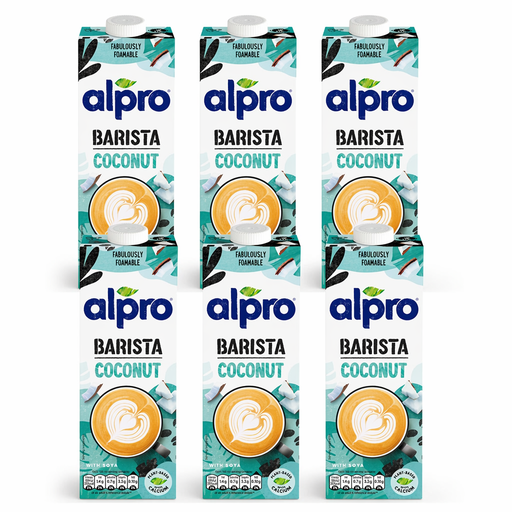
A coconut barista drink to consider for coffee service. Confirm what the ‘6’ in the listing represents, the volume of each unit and whether the format meets your serving needs; check the exact pack for soya.
No. Choose a coconut drink for serving as a beverage or with cereal, and a cooking coconut milk when a recipe calls for it. Tesco Groceries lists coconut drinks separately from the canned cooking products listed by Waitrose & Partners.
Not necessarily. A multipack may contain large cartons rather than individual pots. Check the unit count, volume per unit and serving format on the exact product before planning separate portions.
Compare the exact variants’ sugars and protein per 100ml, alongside their declared calcium and vitamins. Alpro UK declares 0g sugars and 0.2g protein per 100ml for Coconut No Sugars; Koko Dairy Free declares 0.2g sugars and 1.2g protein per 100ml for its Unsweetened No Sugar product. Both manufacturers declare 120mg calcium per 100ml.
Check the exact product rather than relying on ‘coconut’ in its name. Some coconut beverages listed here identify milk in their ingredients. Read the ingredients and allergen information on the pack supplied before serving a guest who avoids milk.
Follow the storage directions and date marking on each exact pack, including any instructions that apply after opening. Do not assume that a drink carton and a cooking can have the same storage directions.