Easter-menu cooks
If a curry, soup, sauce or homemade dessert calls for coconut milk, add up the quantities across your recipes before choosing how many cooking packs to buy. A lunchbox dessert pot is not the same ingredient.


For Easter curries, soups or desserts made from a recipe, choose cooking coconut milk and buy the quantity the recipes call for. A resealable cooking carton may suit a smaller planned use, while a coconut drink or chilled dessert pots serve different purposes; choose the pots only if the lunchbox needs a ready-to-eat dessert.
If a curry, soup, sauce or homemade dessert calls for coconut milk, add up the quantities across your recipes before choosing how many cooking packs to buy. A lunchbox dessert pot is not the same ingredient.
If one recipe will leave coconut milk unused, check the opened-pack storage instructions and plan when you will use the remainder. A resealable cooking pack can be convenient when that next use is already planned.
If the aim is an individually portioned, ready-to-eat item, look at chilled coconut-based dessert pots rather than cooking coconut milk. Sainsbury’s lists The Coconut Collab Choc Pots as a four-pot chilled dessert pack.
Decide first whether you need a recipe ingredient, a drink or a ready-to-eat dessert. Then match the pack quantity and label details to your menu.
| Priority | What to check | Your needs |
|---|---|---|
| Product type | Read the intended use and ingredients: cooking coconut milk, coconut drink and chilled dessert pots are distinct products. Alpro UK lists Alpro Coconut Original as a drink containing 5.3% coconut milk. | I need an ingredient for a curry or homemade dessert, not a drink or a ready-to-eat pot. |
| Pack quantity | Check each recipe’s required amount against the pack size. Tesco lists a 400ml cooking coconut milk; Sainsbury’s describes its 400ml can as four servings, not as a measure for every recipe. | Several Easter dishes call for coconut milk, so I want enough for the combined recipe quantities without opening more packs than necessary. |
| Recipe texture | Compare the product’s intended use, ingredients and nutrition panel before changing a recipe ingredient. Check fat and saturates on the same stated basis, such as per 100ml or per 100g. | For this dish, the coconut product needs to work as a cooking ingredient; I would check the recipe before substituting a drink or reduced-fat version. |
| Leftovers | Read the opened-pack refrigeration and use-by instructions for the exact product. Koko Dairy Free describes Koko Cuisine as resealable; that does not replace its storage directions. | If I will use only part of a pack, I want to know when the remainder will go into another dish. |
| Lunchbox format | Check whether the item is sold as a chilled, ready-to-eat dessert and how many portions it contains. Sainsbury’s lists The Coconut Collab Choc Pots as 4 × 45g. | I’m packing individual desserts, rather than buying coconut milk to cook with. |
| Ingredients | Check the current pack’s ingredient and allergen information, particularly when serving someone with an allergy, intolerance or dietary restriction. | For guests with dietary requirements, I need to check the exact product I will serve rather than rely on its category name. |
Similar names can conceal different intended uses. Alpro UK describes Coconut Original as a drink, while Koko Dairy Free presents Koko Cuisine as a cooking product.
Check the product description and ingredients against the recipe before making a substitution.
Buying enough for several recipes is different from opening several packs at once; opened-product storage instructions matter.
Total the recipe quantities, then check each pack’s instructions and plan any follow-up use.
A chilled, ready-to-eat multipack addresses a lunchbox need, not a recipe’s requirement for cooking coconut milk.
Shop by intended use: dessert pots for individual ready-to-eat portions, or cooking coconut milk for dishes made from scratch.
An earlier purchase or online description may not reflect the pack you are about to serve.
Read the current ingredient and allergen information on the exact product, especially when shopping for someone with an allergy or intolerance.
These examples illustrate different product types; a brand name alone does not tell you whether a pack is for cooking, drinking or eating as a dessert.
Koko Dairy Free presents Koko Cuisine Coconut Milk as a cooking product in a resealable pack.
Alpro Coconut Original is a coconut drink, not a cooking coconut milk listing.
Sainsbury’s lists a 400ml cooking coconut milk and describes the can as four servings.
Tesco lists Ingredient Coconut Milk in a 400ml cooking format for dishes including curries.
Marks & Spencer describes its Coconut Milk as an ingredient for curries, soups and sundaes.
These products are cooking coconut milk for Easter recipes: four larger cans or tins and one smaller carton. They are not ready-to-eat lunchbox dessert pots or a multipack of individual portions.
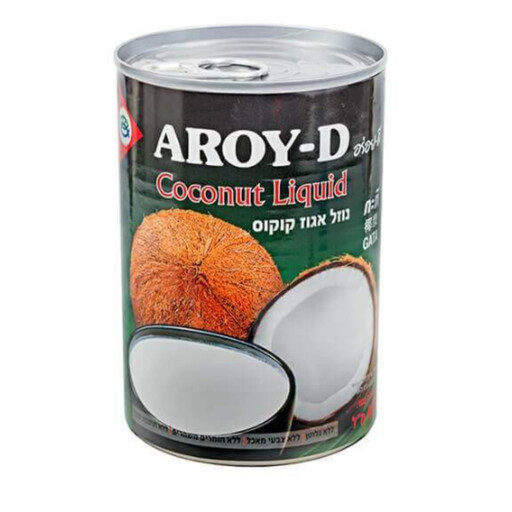 No image available
A 400 ML cooking coconut milk to consider when a recipe calls for this ingredient. Check the current pack for opened-product storage and allergen information, particularly if serving guests with dietary requirements.
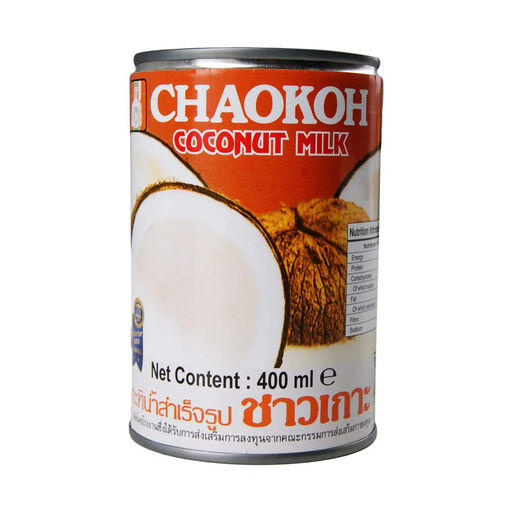 No image available
This 400ml tin is a cooking option when planning coconut-milk recipes rather than individual lunchbox desserts. Match the amount to your recipe and follow the current pack’s directions for any leftovers.
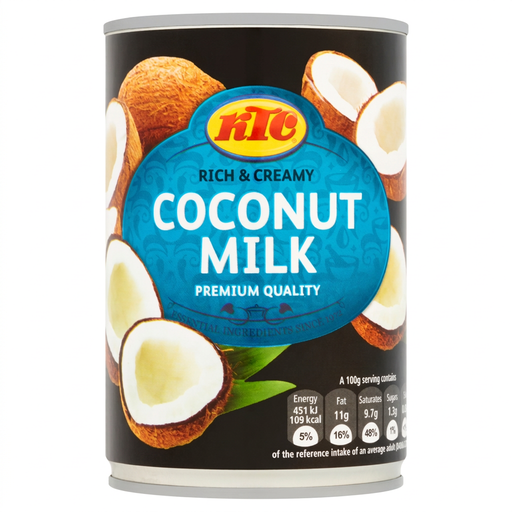 No image available
A 400G cooking coconut milk for recipes such as curries or desserts. Its pack quantity is stated by weight, so check the recipe’s units rather than treating 400G as 400ml; follow the pack’s instructions after opening.
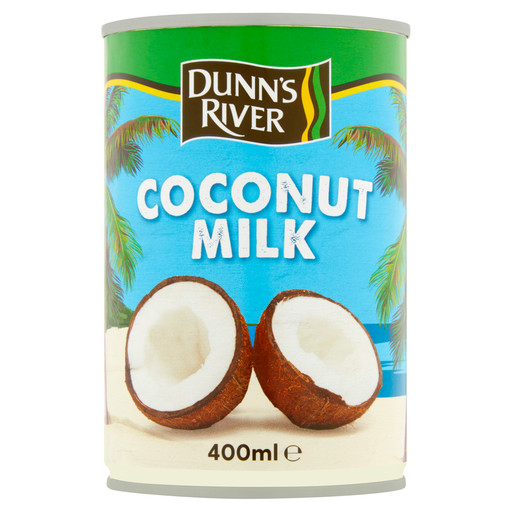 No image available
This 400ml cooking coconut milk can be counted towards the quantities needed for Easter recipes. Check its nutrition panel if comparing products, and read the current storage instructions before keeping leftovers.
 No image available
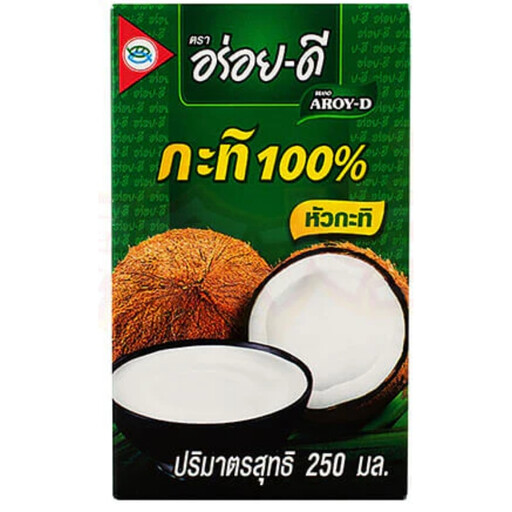
The 250ml carton offers a smaller cooking-coconut-milk pack to compare with a recipe’s required amount. It is not an individual ready-to-eat dessert; check the current pack for storage instructions if any remains.
Add together the amounts in the recipes you plan to make, then compare that total with the pack sizes. Sainsbury’s calls its 400ml coconut milk four servings, but that serving guide does not determine how much every curry, sauce or dessert requires.
Not automatically: a drink and a cooking coconut milk are sold for different uses. Alpro UK lists Coconut Original as a drink containing 5.3% coconut milk, so check your recipe’s requirements before substituting it for a cooking ingredient.
Follow the opened-pack refrigeration and use instructions for the exact product. If the recipe needs only part of a pack, decide before shopping whether another planned dish will use the remainder within those instructions.
Do not treat ready-to-eat pots as a direct substitute for cooking coconut milk. Sainsbury’s lists The Coconut Collab Choc Pots as a chilled 4 × 45g dessert pack; choose that format for individual desserts, not for a recipe calling for coconut milk.
Read the ingredient and allergen information for the exact current product before serving it. A coconut product’s name, a previous purchase or its intended use does not establish whether it suits someone’s dietary requirements.